
'%20id='ico-down'%20stroke='%23000000'%20stroke-width='1.5'%3e%3cg%20transform='translate(1092.250000,%20254.750000)'%3e%3cpolyline%20id='Path-2-Copy-4'%20transform='translate(5.500000,%202.750000)%20scale(1,%20-1)%20rotate(-180.000000)%20translate(-5.500000,%20-2.750000)%20'%20points='0%200%205.5%205.5%2011%200'%3e%3c/polyline%3e%3c/g%3e%3c/g%3e%3c/g%3e%3c/svg%3e)


Education
Language Learning
Discover the language courses in South Africa
Are you interested in language courses in South Africa? Find out where to go, what it costs, and how to obtain official certificates.


When moving to a new country, it can be daunting to learn the local tongue, especially in a country like South Africa, with 12 national languages. But worry not, you can communicate easily in English while you learn at least one of the other local languages. Fortunately, the country offers many resources and language courses.
Discover everything you need to know about picking up South African languages by looking at the following topics:
Lingoda
Lingoda is an innovative online language school that brings native speaking teachers into your living room. Their learning platform will ensure you’re speaking like a local before you know it. Whether you’re learning for business or pleasure, simply choose the right time and ability level for you and join one of Lingoda’s classes from the comfort of your home.

Why learn South African languages?
South Africa has 12 official languages, all of which have their unique histories and traditions. Learning at least one of these languages would enrich your understanding of the mixture of cultures and smooth your integration. For instance, you’ll grasp the local vernacular better, gain insight into the cultural nuances, and build stronger connections, be it at work, in your neighborhood, or as a new member of the broader South African community.
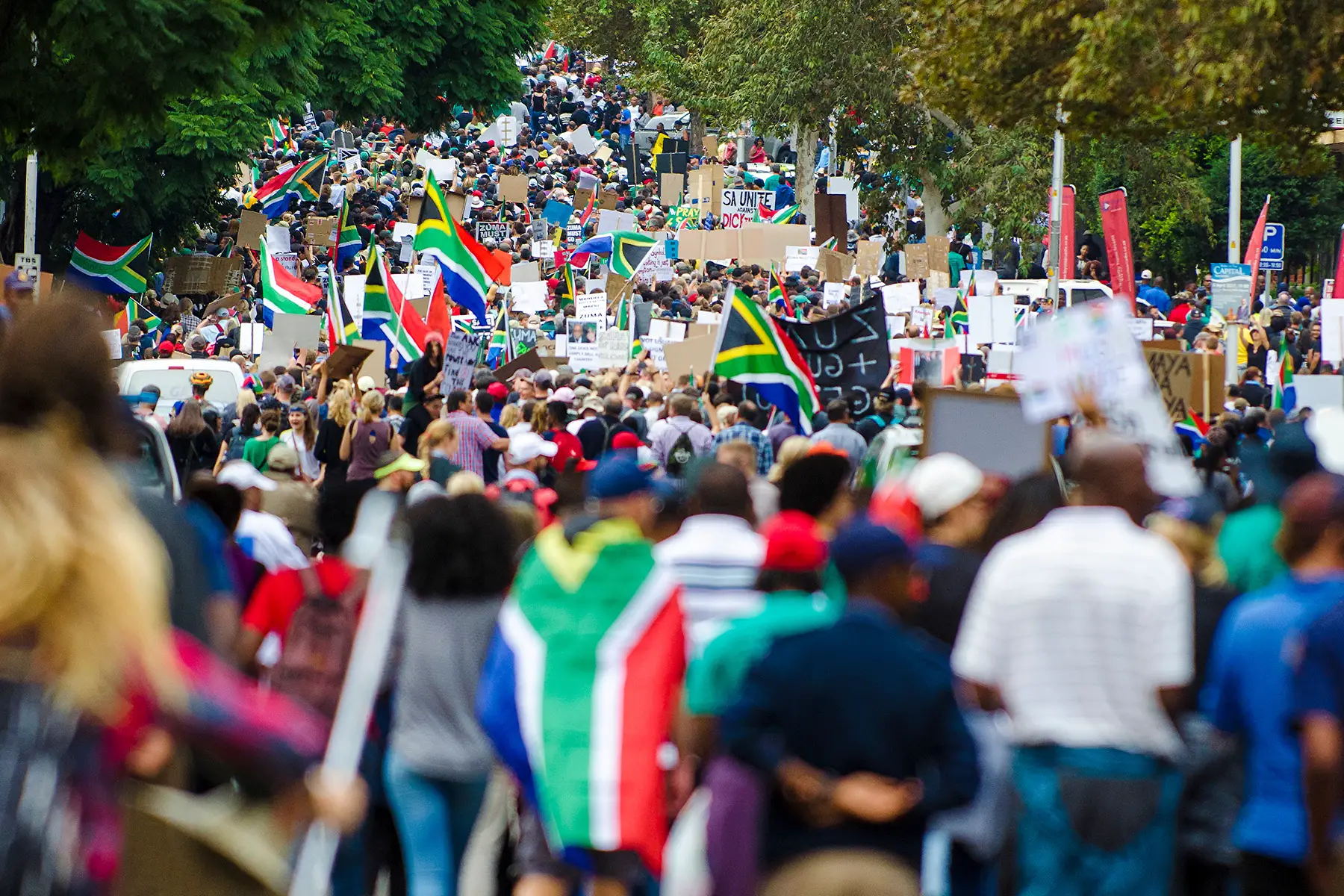
To help you decide which one to learn, focus on the province you live in, as each has one or more dominant language groups.
For example:
- Eastern Cape: isiXhosa, Afrikaans
- Free State: Sesotho
- Gauteng: no dominant language
- KwaZulu-Natal: isiZulu
- Limpopo: Sepedi, Tshivenda
- Mpumalanga: siSwati, isiZulu
- Northern Cape: Afrikaans, Setswana
- North West Province: Setswana
- Western Cape: Afrikaans
How commonly spoken are South Africa’s languages?
No matter where you decide to move, many expats choose to learn the local language because it makes their new home feel more familiar. Fortunately, one of South Africa’s official languages is English, which many internationals can already speak.

Apart from English, the languages in South Africa are only spoken in the country or neighboring nations and not globally, except for the South African immigrants living across the world.
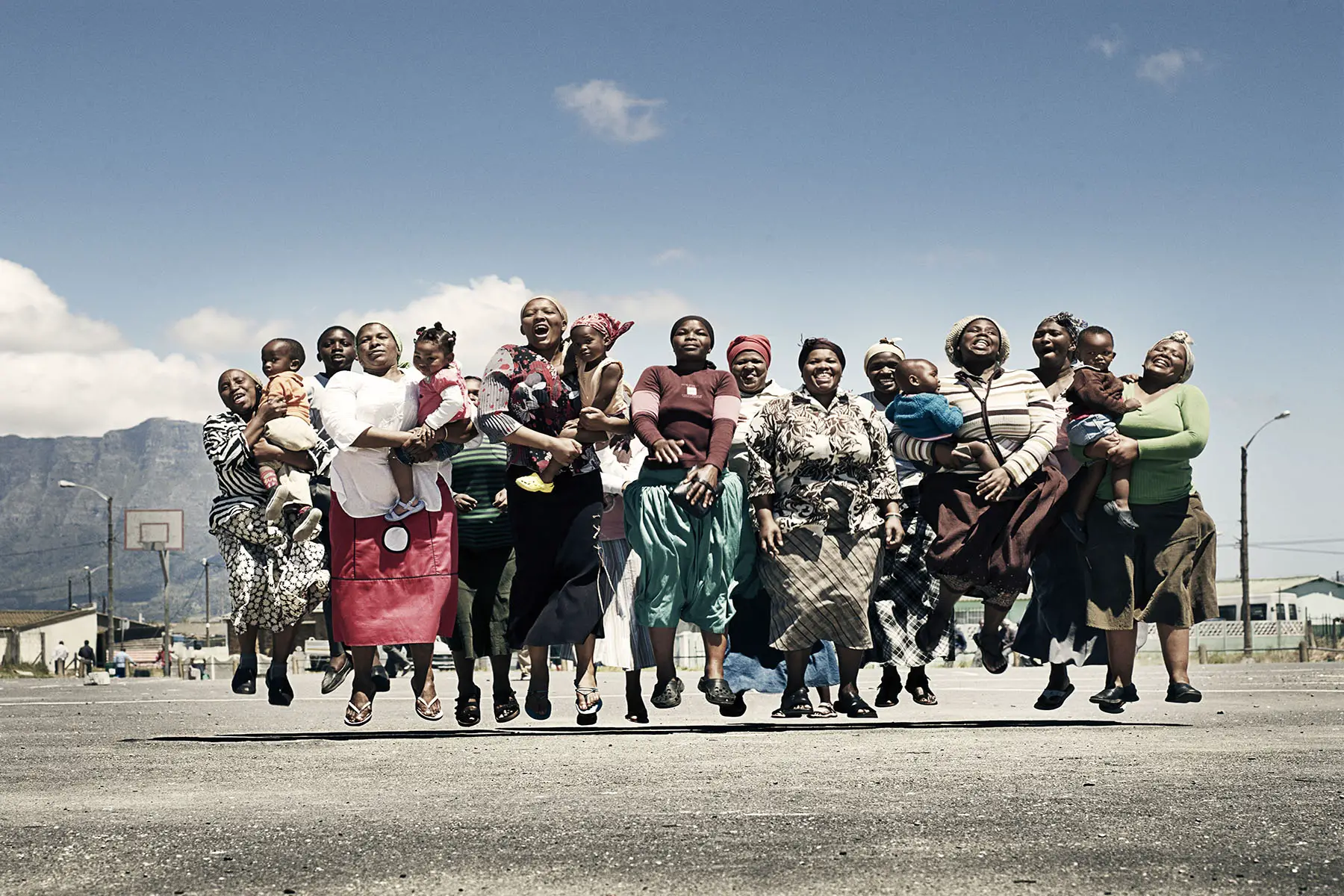
Here are some interesting figures about the distribution across southern Africa (2022):
- isiZulu: More than 15.1 million people speak isiZulu as a first language in South Africa, Lesotho, Eswatini, Malawi, Mozambique, and Zimbabwe
- isiXhosa: Has about 10.1 million native speakers, exclusively in South Africa
- Afrikaans: Over 6.6 million people speak Afrikaans, primarily in South Africa
- Sepedi: Only spoken in South Africa, it is the native tongue of around 6.2 million people
- Setswana: Also called Tswana, this language has around 5.1 million native speakers living in South Africa, Botswana, Zimbabwe, and Namibia
- Sesotho: About 4.8 million people, mainly in South Africa, Lesotho, and Botswana
- Xitsonga: About 2.9 million speakers in South Africa, Mozambique, Zimbabwe, Eswatini, and Zambia
- siSwati: Spoken primarily in Eswatini and South Africa, with around 1.7 million native speakers
- Tshivenda: Only spoken in South Africa by about 1.6 million people
- isiNdebele: Spoken in South Africa, Botswana, and Zimbabwe; around 1.1 million
Learning the local languages before moving to South Africa
You can start learning a new language before you even board the plane. The longer you practice continuously, the more time you’ll have to master this skill.
Knowing a few words and phrases may ease your transition as you’ll have more linguistic or cultural familiarity with your new country. Generally, locals appreciate the effort of learning their language. Therefore, it may help you to make friends quicker and build up a network, as you can join in conversations and even understand the news to know what is currently happening in the country.
International South African language schools
Outside of the country, no international language schools focus on one of the 12 national languages of South Africa. However, a positive side effect of the COVID-19 pandemic is that many programs are now available online, meaning more virtual language-learning options exist.
Learning the local languages in South Africa
While learning a language before arrival certainly has its benefits, there’s nothing quite as effective as learning a language while you’re immersed. When you can experience and interact with native speakers using their language, you gain essential cultural context that enriches and speeds up your learning.
Language schools
As you search for a language school, consider important features such as location, price, and teaching style. To begin, though, here are a few reputable ones to consider.

- Mzansi Language School (Tshwane, Gauteng): Offers courses in isiZulu, Sesotho, Afrikaans, and Setswana
- Dante Durban (Durban, Kwazulu Natal): Teaches Afrikaans and isiZulu courses
- Eden Language Academy (Cape Town, Western Cape): Offers isiZulu, isiXhosa, and Afrikaans
- Language Teaching Centre (Cape Town, Western Cape): Teaches isiZulu, Afrikaans, and isiXhosa
Government lessons
Most migrants, refugees, and asylum seekers in South Africa come from neighboring countries. They may or may not speak one of the national languages. Therefore, the focus is often on teaching newcomers English as the lingua franca.
A resource for those looking to learn basic English through in-person or WhatsApp classes is Scalabrini Centre of Cape Town. Some courses are free, but others are around R400 per term.
Language learning at universities
A few local universities also offer in-depth language courses through their language departments. These include:
- Department of African Languages, University of Pretoria: Offers courses for native and non-native speakers looking to learn Sepedi, isiZulu, and Setswana
- African Languages and Literature, University of Cape Town: Interested students can study isiXhosa and Sesotho
- Wits Language School, University of Witwatersrand: Offers courses in isiZulu and South Africa sign language in Johannesburg
Free language courses
The Unisa College of Human Sciences offers a few beginner’s language courses that would at least give you the confidence to join a casual conversation. If you’re hoping to take a language course in South Africa without breaking the bank, your best bet will likely be a mobile app.
As language learning becomes more popular and accessible, many free and affordable options are available to anyone with a smartphone. Keep reading for useful mobile app options for South African languages. Beyond this, free language courses in South Africa tend to be limited to migrants, refugees, and asylum-seekers.
Online South African language courses
In South Africa, you can access several online language learning tools. Costs, duration, and course structure will vary depending on the provider.

Your research process will depend on the language you are trying to learn, but here are a few options to get you started:
- Live Lingua: Offers intensive language courses in isiZulu, Sesotho, Setswana, Tshivenda
- Ubuntu Bridge: This online learning community has courses and resources to learn isiXhosa
- Afrikaans.us: Provides extensive digital resources for learning Afrikaans
- Language Trainers: Online resources for isiZulu and Afrikaans
Other handy online resources
For convenient online resources to enhance your language learning further, try these:
- Glosbe: An online dictionary in various languages, including isiZulu, Afrikaans, isiXhosa, isiNdebele, and others
- English-Tswana Dictionary: Downloadable app for English-Tswana translations
- Lingo Hut: Online platform for learning Afrikaans
- Master Any Language: A great learning platform to learn Tsonga, Afrikaans, and isiZulu, among others
Learn South African languages with a computer or smartphone app
You can access many useful South African apps for things like driving, public transport, food delivery, mobile banking, news, housing, and language learning.
Some of the more popular language apps or online platforms include:
- uTalk: This app promotes language learning through fun exercises and games. Languages include Tswana, isiXhosa, isiZulu, Afrikaans, and more. It charges a monthly fee.
- Duolingo: A free app that offers quick, fun exercises that will have you speaking isiZulu from day one
- Tandem: Tandem is a free app that assigns you a language partner who wants to learn your language and who speaks the language you wish to master. Languages available include isiZulu, Afrikaans, Tsonga, isiNdebele, and more.
- Instant Immersion: A popular language learning software that offers Afrikaans, isiXhosa, isiZulu, and more. It charges a one-off cost.
- iTalki: This interactive platform links you with language teachers. The cost of lessons varies but is generally reasonable. Languages include Afrikaans, isiXhosa, isiZulu, and more.
How can you learn South African languages for business and professional use?
In South Africa, as in many countries globally, the business language is English; you’ll be able to communicate efficiently in most corporate and formal settings. You can learn Business English remotely with a digital platform like Lingoda.
However, if you want to learn business-focused Afrikaans, check out Language Services Direct. Additionally, Cudoo offers affordable business-focused courses for both Afrikaans and isiZulu.
How can children learn different South African languages?
Exposing your child to South Africa’s language is a great idea. This way, they will develop their own connection to the country and its culture, integrate more, and possibly make local friends.
Although some schools may offer local languages as an elective subject, it doesn’t hurt to supplement this with books, cartoons, television programs, and films at home.
For more formal learning opportunities, consider using the Mzanzi Kids app, which teaches six South African languages. If you want your child to learn isiZulu specifically, try ZuluMites, an online learning program.
Where can you practice your language skills outside of the classroom?
Extending your learning outside the classroom into real-life situations will enrich your experience. Start by practicing your newly acquired skills – even if you can only manage a few words – in your local community (e.g., at your work, children’s school, library, or local grocery store).
Ask your new colleagues, neighbors, or friends if they want to be language partners. And, if you are a parent, consider scheduling play-dates with children who speak the language you want to learn; this way, you and your child can pick up some new words.
If you play sports or have any social hobbies, see if your new friends would practice your target language with you.

Additionally, consider joining a language exchange Meetup group if you want to be more intentional. Or, if you are active on social media, see if you can find a local tutor in your area through an expat group.
You can also watch South African television, listen to the radio, or read magazines and newspapers, which will help you with your vocabulary and give you insight into the local news and societal views.
Official language examinations and qualifications in South Africa
No internationally recognized language exams exist in any South African languages; however, you can use learning measurements to track your progress.
The Council of Europe (COE) organizes language proficiency across six levels (i.e., Common European Framework of Reference for Languages, CEFR), from A1 to C2. These include speaking, writing, listening, and reading. You can do a self-assessment to evaluate your progress.
Useful resources
- Unisa College of Human Sciences – Free language resources for learning various South African languages
- Glosbe – Offers online dictionaries in various languages
- Live Lingua – Language learning platform that offers courses for various South African languages

Did you find this guide helpful?