
'%20id='ico-down'%20stroke='%23000000'%20stroke-width='1.5'%3e%3cg%20transform='translate(1092.250000,%20254.750000)'%3e%3cpolyline%20id='Path-2-Copy-4'%20transform='translate(5.500000,%202.750000)%20scale(1,%20-1)%20rotate(-180.000000)%20translate(-5.500000,%20-2.750000)%20'%20points='0%200%205.5%205.5%2011%200'%3e%3c/polyline%3e%3c/g%3e%3c/g%3e%3c/g%3e%3c/svg%3e)


Health
Healthcare
Emergency services in Singapore: numbers and helplines
In addition to Singapore’s main emergency number (995), check this list of other crucial contacts to stay prepared for whatever happens.


Expats moving to Singapore have plenty to organize in their early days. However, along with all the excitement of getting to know your new country, you should plan for the unexpected. This includes being aware of which emergency number you need in any eventuality in Singapore.
Below is a list of Singapore’s emergency services with contact numbers. Keep it handy – should you encounter any problems or difficulties, you’ll always know exactly who to call.
Allianz Care
Allianz Care is a world leader in providing international health insurance. Their various premiums provide professionally designed solutions for a variety of expat lifestyles. So, wherever your life takes you, make sure you have the right health protection for you and your family with Allianz Care.

Emergency services and numbers in Singapore
Singapore’s main emergency number is 995.
This number is used in most emergencies because it is the direct line for the Singapore Civil Defence Force (SCDF) ambulance and fire response teams. These teams respond to nearly 250,000 calls across Singapore each year.

However, the Lion City has various numbers for emergency and non-urgent situations. Therefore, you will need to know which one you need in different cases.
Fire services in Singapore
In any emergency involving fire, you should call the Singapore Civil Defence Force (SCDF) at 995. The SCDF is responsible for all fire services.
Be careful not to misuse this number – non-emergencies and prank calls are not recommended! If you have any non-emergent fire issues, you can call the following numbers instead:
- SMS fire emergency service: 70995
- Fire hazard reporting: 1800 280 000
- General inquiries: 1800 286 5555
Singapore’s police service
You can reach the police in Singapore at 999. Other important numbers include:
- Police emergency SMS service: 71999
- Inquiry hotline: 1800 255 000
The police’s emergency number is useful if you need immediate assistance or want to report a crime in Singapore.

The Ministry of Home Affairs is responsible for the Singapore Police Force, which oversees a wide range of services. It has several departments, including the following:
- Airport Police Department
- Home Team School of Criminal Investigation
- Public Transport Security Command
- Traffic Police
Through these, the police also manage community programs like the Safety and Security Watch Group, organize security for public events, and conduct criminal investigations. The police are also responsible for handling cases of commercial crimes, misappropriation of property, housebreaking and trespassing, car theft, sexual assault, scams, and more.
In addition, you can access a range of individual and corporate services through the Singapore Police Force’s e-services website, including:
- Non-urgent police reports
- Lost/stolen property
- Traffic accident report
- Mediation referral
- Permits – such as assembly, procession, wedding, funeral, and road closures
- Driving license
- Certificates of clearance
Ambulance and emergency medical service numbers in Singapore
The emergency number for ambulances in Singapore is 955. The SCDF offers Emergency Medical Services, which send ambulances to deal with urgent medical situations. However, there are other ambulance services available, as below:
- SCDF non-emergency ambulance service: 1777
- Civil ambulance service: 6333 3000
- Green Crescent Ambulance Service: 6788 8911
- Parkway East Hospital Emergency Ambulance Service: 1800 727 5929
There is also a non-emergency drug and poison control hotline, which you can reach at 6423 9119.

However, if you do not need an ambulance, you can make your own way to the emergency room of the closest hospital. Some of the best-known hospitals in the country are:
- Gleneagles: 6470 5688
- Mount Alvernia: 6347 6210
- Mount Elizabeth: 6731 2218 (Orchard) 6933 0100 (Novena)
- National University Hospital (NUH): 6772 5000
- Parkway East Hospital: 6340 8666
- Raffles Hospital: 6311 1555
- Singapore General Hospital: 6222 3322
- Thomson Medical Centre: 6350 8812
Singapore has a great healthcare system, but expats can only access medical services at private hospitals and clinics. Therefore, you must have a good health insurance policy while living in the country – employers must legally provide this to foreign employees, so make sure yours does! You can also take out an international health insurance policy – providers include:

With insurance, if you have a medical issue that does not require immediate assistance, you can still get help, usually at any time of day. For example, Raffles Medical, Shenton Parkway, and Central 24-HR Clinic Group have neighborhood clinics across Singapore where you can access general practitioner services, including general checkups and vaccinations. Some of these operate 24 hours a day, and they can refer you to specialists when necessary.
Mental health services and emergency numbers in Singapore
Because it is often a taboo subject, people in Singapore rarely talk about mental health. However, due to the stresses of schooling and work, mental health is a concern in the country, especially since the COVID-19 pandemic. In addition, a recent study by the Institute of Mental Health found that 8.7% of Singaporeans meet the criteria for clinical depression. Furthermore, 9.4% show significant signs of anxiety, and 9.3% display mild to severe stress.

Unfortunately, accessing mental health services in Singapore can be tricky. This is because there are simply not enough professionals, meaning long wait times in the public sector and expensive services in the private sector. Still, the below hotlines offer access to help and counseling:
- Care Corner Counseling Center: 1800 3535 800
- Institute of Mental Health: 6389 2222
- Samaritans of Singapore: 1767
- Singapore Association for Mental Health: 1800 283 7019
- Tinkle Friend (support for children): 1800 274 4788

While these hotlines offer immediate advice, seeking professional help in a clinical setting may also be useful. In that case, ask your doctor for a referral to a mental health specialist.
Drug and alcohol services in Singapore
Singapore has very strict laws around drugs – 74.4% of respondents in a 2023 survey said this was a deterrent. Furthermore, the Institute for Mental Health found that some 0.7% of Singaporean residents had abused drugs between 2022 and 2023.
While there is no specific official emergency number in Singapore for alcohol and drug addictions, several organizations have helplines:
- We Care Community Services – 3165 8017
- Alcoholics Anonymous – 8112 8089
- Narcotics Anonymous – 8405 8432
- National Addictions Management Service – 67326837
- Women in Recovery Association – 8339 7690
Singapore’s children, family, and youth services
With a high-pressure public education system and a local penchant for numerous extracurriculars – from extra tuition and sports to music and languages – Singaporean kids experience a lot of stress. In addition, exposure to social and consumer media that feeds on FOMO (fear of missing out) can add to even more worries and insecurities.
If you or a young person you know needs advice or guidance, the following helplines can help:
- Association for Women for Action and Research – helpline for women in need; 1800 777 5555
- Babes Pregnancy Crisis Support – helpline for pregnant teens; 6206 6641
- Big Love Child Protection Specialist Centre – protection for children; 6445 0400
- HEART @ Fei Yue Child Protection Specialist Centre – protection for children; 6819 9170
- National Anti-Violence Helpline – for reporting domestic violence or abuse; 1800 777 0000
- PAVE Services – helpline for individuals and families; 6555 0390
- Pregnancy Crisis Service – assistance for unplanned pregnancy; 6339 9770
- Project StART – domestic violence hotline; 64761482
- Touchline – youth helpline; 1800 377 2252
- TRANS SAFE Centre – domestic violence and abuse hotline; 6449 9088
Other crime-related services and emergency numbers in Singapore
Singapore is generally one of the safest countries in the world, with 847 crimes per 100,000 individuals in 2021. However, this represents a 10-year high. While you are unlikely to witness a crime in Singapore, it is always best to be prepared with the following Singapore emergency numbers:
- Anti-Scam Hotline: 1800 722 6688
- International Security Department (Terrorism) 1800 262 6473
- National Anti-Violence & Sexual Harassment Helpline – 1800 777 000
- Project StART Sexual Assault Recovery Programme – 6476 1482
- Sexual Assault Care Centre (Association for Women for Action and Research) – 6779 0282

The Singapore Police Force responds to a wide range of crimes, so you can contact them directly in an emergency. This could be for anything from reporting potential terrorism to reporting sexual assaults. In an emergency, call the police at 999 or text 71999.
Singapore’s utilities and telecommunications services
If you are experiencing problems with any of your utilities or telecommunications services, you should first contact your provider.

Here are a few handy numbers:
- SG Power (electricity) – 1800 778 8888
- City Gas – 1800 752 1800
- Building and Construction Authority – 6325 7191
- Sewerage Services – 1800 282 4336
- Water Services – 1800 284 6600
Singapore’s road and traffic emergency services
Planning to hit the road? You will likely deal with Singapore’s Land Transport Authority (LTA) at some point. In addition, it’s essential to know Singapore’s numbers for road and traffic issues in case of emergencies. Keep the following ones handy:
- 24-hour Emergency Road Service: 9182 8211
- LTA Checkpoints Traffic Information Hotline: 6863 0117
- LTA Reporting Hotline: 1800 225 5582
- Parking Enforcement: 1800 338 6622
- Traffic Police Hotline: 1800 547 1818
- Traffic Police Enquiries: 6547 0000

If you get in an accident or your car breaks down, only call the police if someone is hurt. Otherwise, call your insurance company and a towing service. The following are some numbers for popular car insurance companies:
- AIG Insurance: 6338 6200
- AVIVA: 6333 222
- ETIQA: 1800 886 491
- Great Eastern: 6339 2155/6536 0511
- Liberty: 1800 542 3789
- NTUC INCOME: 6789 5000
- HL Assurance: 6922 6009
- United Overseas Insurance: 6453 8110
LGBTQIA+ support services in Singapore
Although Singapore is making slow, tentative steps towards inclusivity and equality, the LGBTQ+ community still faces marginalization. Despite decriminalizing gay sex in 2022, the country still does not recognize same-sex marriage and affords few rights to these couples.

Still, members of the LGBTQ+ community can seek support at the following hotlines:
- Brace Spaces: 8788 8817
- Gayhealth.sg: 6254 0212
- Oogachaga: 6226 2002
- Samaritans of Singapore: 1800 221 4444
Homeless shelters and welfare services in Singapore
Despite a high average standard of living, a strong economy, and subsidized housing, homelessness does exist in Singapore. The Ministry of Social & Family Development has several services to assist rough sleepers, such as:
- MSF Hotline: 1800 111 222
- Partners Engaging and Empowering Rough Sleepers:
- Senior Group Homes and Sheltered Homes
- Transitional shelters
- Welfare Homes
The following organizations also offer support services for those experiencing homelessness:
Animal rescue services in Singapore
Although Singapore is a very urban environment, it has a reasonably high rate of pet ownership. If you have a pet in the country and it goes missing, you can contact the non-emergency police number or local shelters.

However, if you find a lost pet or animal, you can contact the following services:
- Acres Wildlife Rescue – 97837782
- SPCA Lost Animals Reporting Hotline – 6287 5355
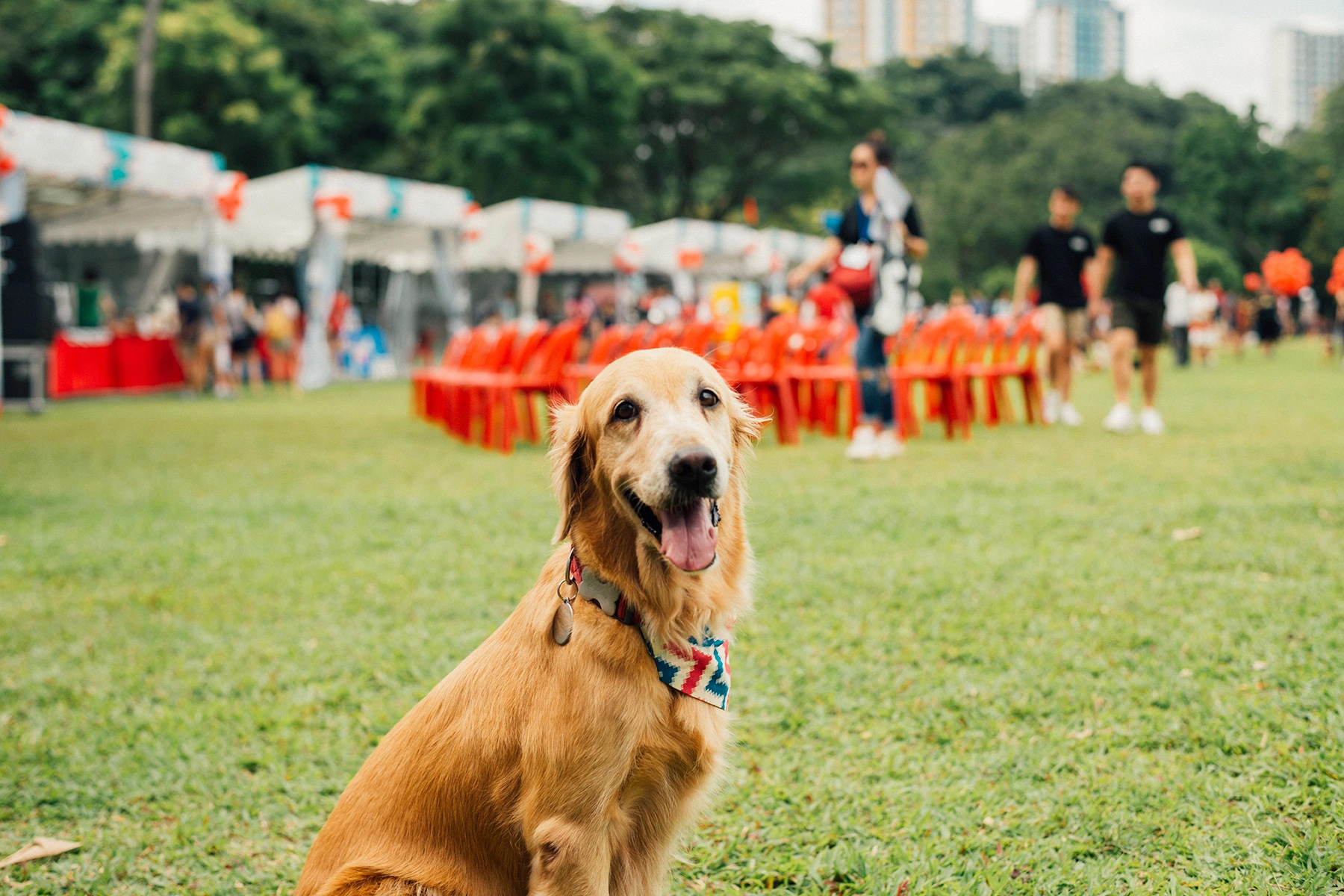
In addition, if your pet falls sick, you can get immediate help by calling the following emergency numbers:
- Animal & Veterinary Service – 1800 476 1600
- SPCA 24/7 hotline – 6287 5355 Ext. 9.
- Beecroft Animal Emergency Hospital – 6996 1812
- Westside Emergency – 6463 7228
- Mount Pleasant – 6251 7666
- VES – 6266 0232
A list of embassies in Singapore
Expats living in Singapore should keep the contact details of their local embassy or consulate handy. As well as being useful in emergency situations, you might need it for other consular services such as visa-related matters, passports, and documents for getting married. Below is a list of some relevant embassies:
- Australian High Commission in Singapore
- Bangladeshi High Commission in Singapore
- Canadian High Commission in Singapore
- Chinese Embassy in Singapore
- French Embassy in Singapore
- Indian High Commission in Singapore
- Embassy of Japan in Singapore
- Malaysian High Commission of Singapore
- Embassy of the Philippines in Singapore
- Embassy of Thailand in Singapore
- British High Commission in Singapore
Report and search for lost or stolen property in Singapore
If you lose personal property in Singapore, you have several options for reporting it. For example, if you lose your bag, jewelry, phone, or local Singaporean ID, you can file a report with the police. For a phone, you will also need to contact your service provider to get a replacement phone and SIM card. iPhone owners can also try to track their phones using the “Find My iPhone” app.
If you lose your passport, you will likely need to file a police report and visit your local embassy for help.
However, if you lose your bank or credit cards, contact your provider immediately so that they can cancel your cards and ensure there are no fraudulent transactions. In addition, you may want to file a report with the police in case it turns up later.
What to do in an emergency
Come across an emergency in Singapore? Here’s what you should do.
- Call an ambulance (995), the police (999), or other relevant service.
- Provide the appropriate information, including:
- Your name and number,
- Address of your current location
- Details of the situation, including how many people are affected, if any of them have any medical issues, and whether any drugs, alcohol, or weapons are involved
- Gather appropriate documents, such as ID, medical information, or car insurance.
- Try to stay on the line until help arrives.
How do you call a Singaporean emergency number if you are overseas?
The international dialing code for Singapore is +65. While you can call any of Singapore’s emergency numbers that have the traditional format (+65 xxxx xxxx), you cannot dial any toll-free numbers (starting with 1800) or emergency numbers such as 995 or 999.
Other useful phone numbers in Singapore
- Comfort & City Cab: 6552 1111
- Consumer Association of Singapore: 6227 5100
- Dengue Hotline: 1800 933 6483
- LTA Checkpoint Traffic Updates: 6863 0117
- National Environment Agency Hotline: 6225 5632
- Premier Cab: 6363 6888
- Traffic conditions and updates (online)
- The Straits Times (Singaporean broadsheet news online in English)
- Weather: 6542 7788
Useful resources
- Singapore Civil Defence Force – fire engine, ambulance, and other services
- Singapore Police Force – official website
Related Articles



Editor's picks

Did you find this guide helpful?