
'%20id='ico-down'%20stroke='%23000000'%20stroke-width='1.5'%3e%3cg%20transform='translate(1092.250000,%20254.750000)'%3e%3cpolyline%20id='Path-2-Copy-4'%20transform='translate(5.500000,%202.750000)%20scale(1,%20-1)%20rotate(-180.000000)%20translate(-5.500000,%20-2.750000)%20'%20points='0%200%205.5%205.5%2011%200'%3e%3c/polyline%3e%3c/g%3e%3c/g%3e%3c/g%3e%3c/svg%3e)


Civil Affairs
Government
Crime and the justice system in Singapore
Get to know Singapore’s legal system by learning about crime rates, trial procedures, typical punishments, and what to do if you’re arrested.


Singapore boasts one of the lowest violent crime rates in the world, and the government is known for being very strict toward offenders. With a high level of public surveillance meant to deter misconduct, breaking the law in Singapore can come with severe punishments like caning or hanging.
Meanwhile, the country’s justice system is considered fair, and its government is not hindered by corruption. Although everyday life in Singapore may be relatively free from crime, human rights organizations express concern about how the country’s strict laws impact its residents’ freedom.
Keep reading for more information on the following topics:
Ground News
Get every side of the story with Ground News, the biggest source for breaking news around the world. This news aggregator lets you compare reporting on the same stories. Use data-driven media bias ratings to uncover political leanings and get the full picture. Stay informed on stories that matter with Ground News.

The Singaporean legal system
Singapore’s legal system is based primarily on English common law and derives from the Constitution of the Republic of Singapore, along with legislation from Parliament and judge-made decisions. Singaporean criminal law lays out what is considered a crime in the country, plus the appropriate minimum and maximum punishments for each.
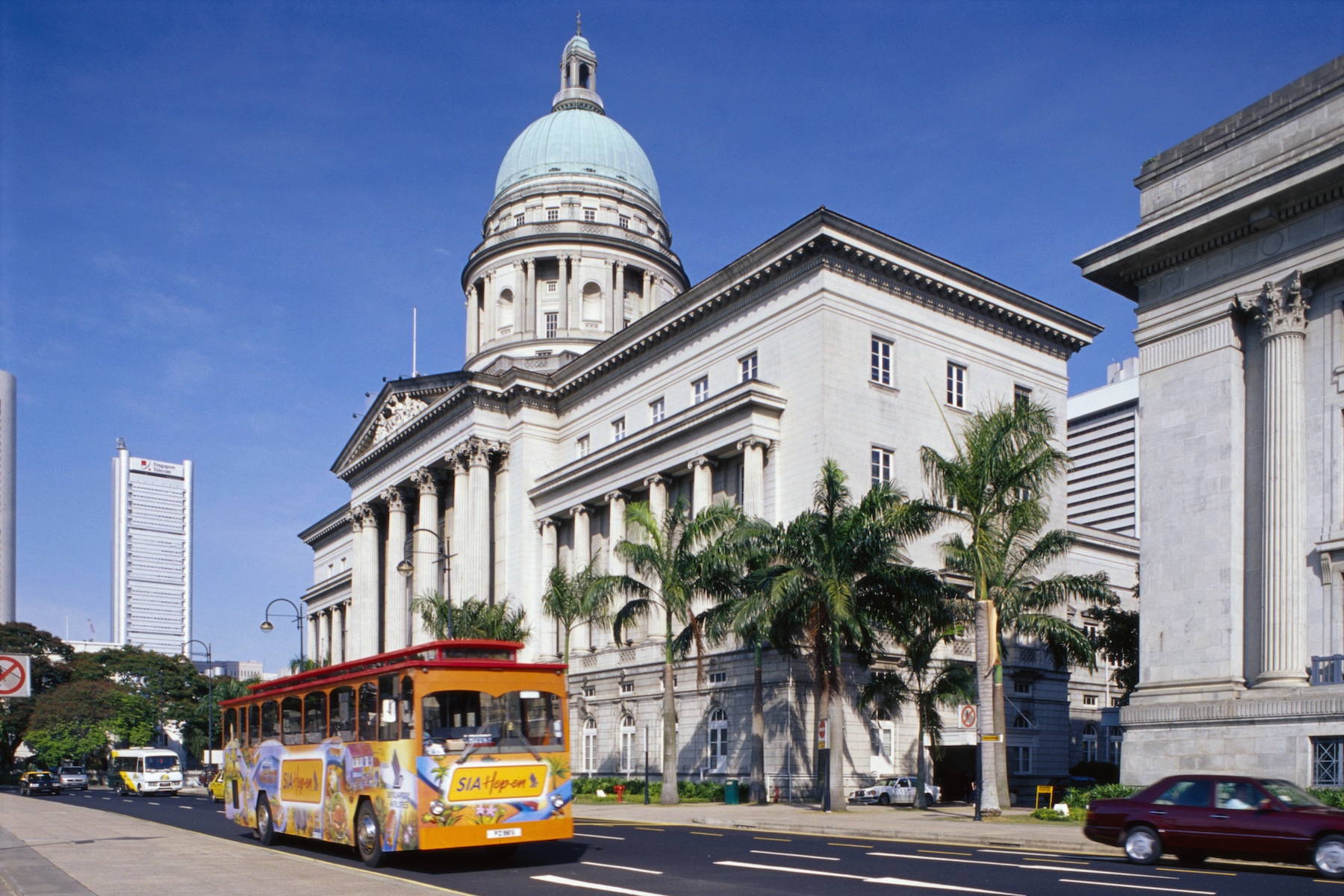
The Ministry of Law (MinLaw) is the Singaporean government agency overseeing the country’s legal system. MinLaw supports “access to justice, the rule of law, the economy and society through policy, law, and services,” which includes cooperating with other national and international organizations as needed.
Crime in Singapore
Singapore is consistently ranked among the world’s safest and most peaceful nations. Known for its very low crime rate, the country has minimal violent offenses like assault, homicide, and rape.
The most common crimes in Singapore are theft (i.e., burglary, pickpocketing, shoplifting), disorderly conduct, and traffic violations. The Singapore Police Force (SPF) specifically highlights disorderly conduct as an area of concern that is on the increase. This includes sexual harassment in public places and voyeurism or taking inappropriate photos of another person without their consent.
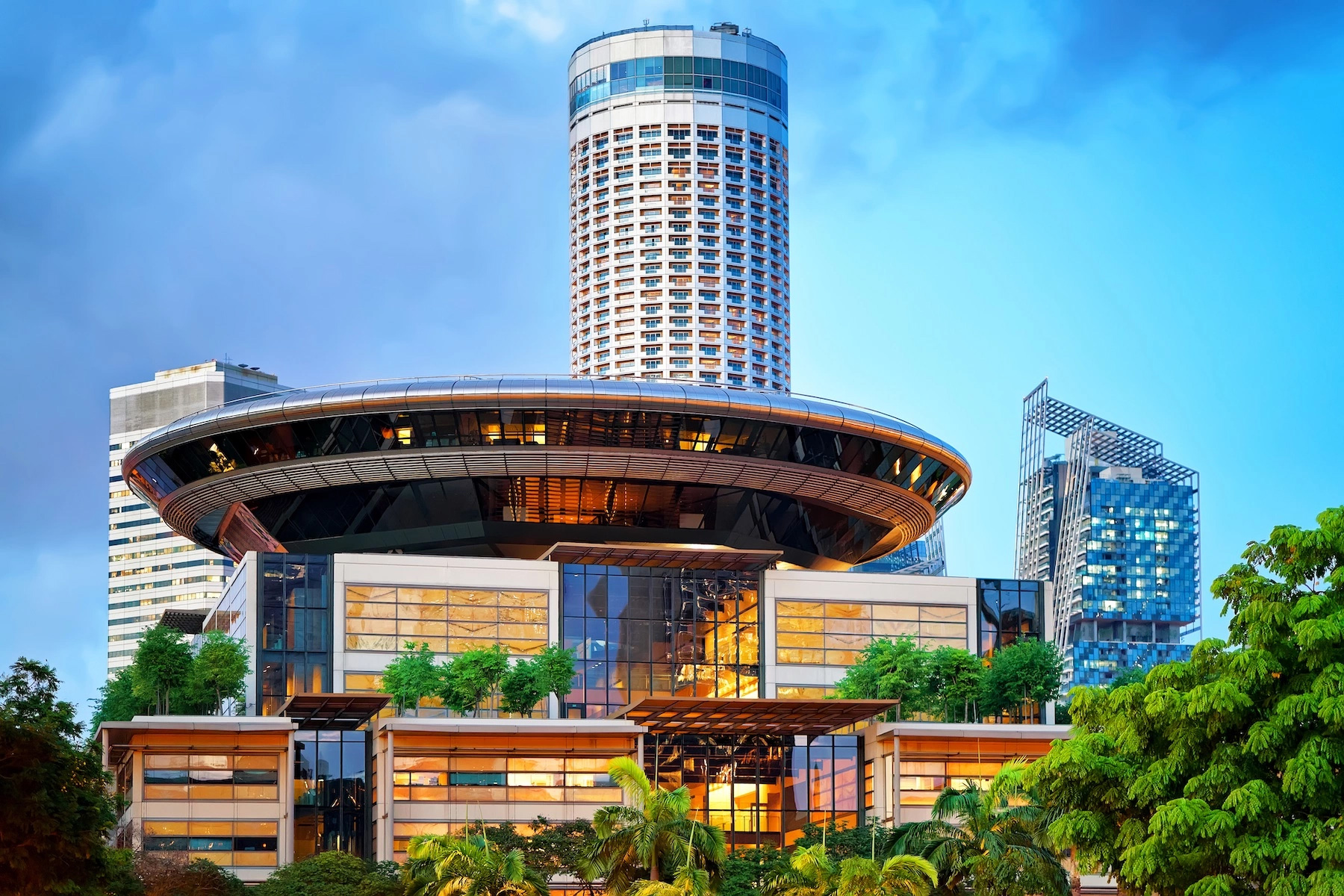
Commercial crime (also known as ‘white collar crime’) is on the rise in Singapore, and there are increased incidents involving embezzlement, tax evasion, fraud, and money laundering. Meanwhile, corruption in the public sphere, like government and politics, remains rare.
Protecting yourself against crime in Singapore
Though the overall crime rate is low in Singapore, it’s still good to take steps to protect yourself. This includes securing your home and belongings and remaining aware of your surroundings in public.
Here are some general tips for personal safety against crime:
- Keep your personal items close when in crowded public areas
- Stay up-to-date about the most common scams and frauds
- Always lock your doors and close windows, especially if you live on the ground floor
- Hide valuables if you must leave them in your car
- Walk in groups of at least two at night, avoiding unlit areas
It’s also crucial for women to be attentive in public and take note of any men acting suspiciously, especially in crowds or on public transport. Voyeurism, in the form of up-skirt photos taken without consent, is rising in Singapore and can be difficult to spot.
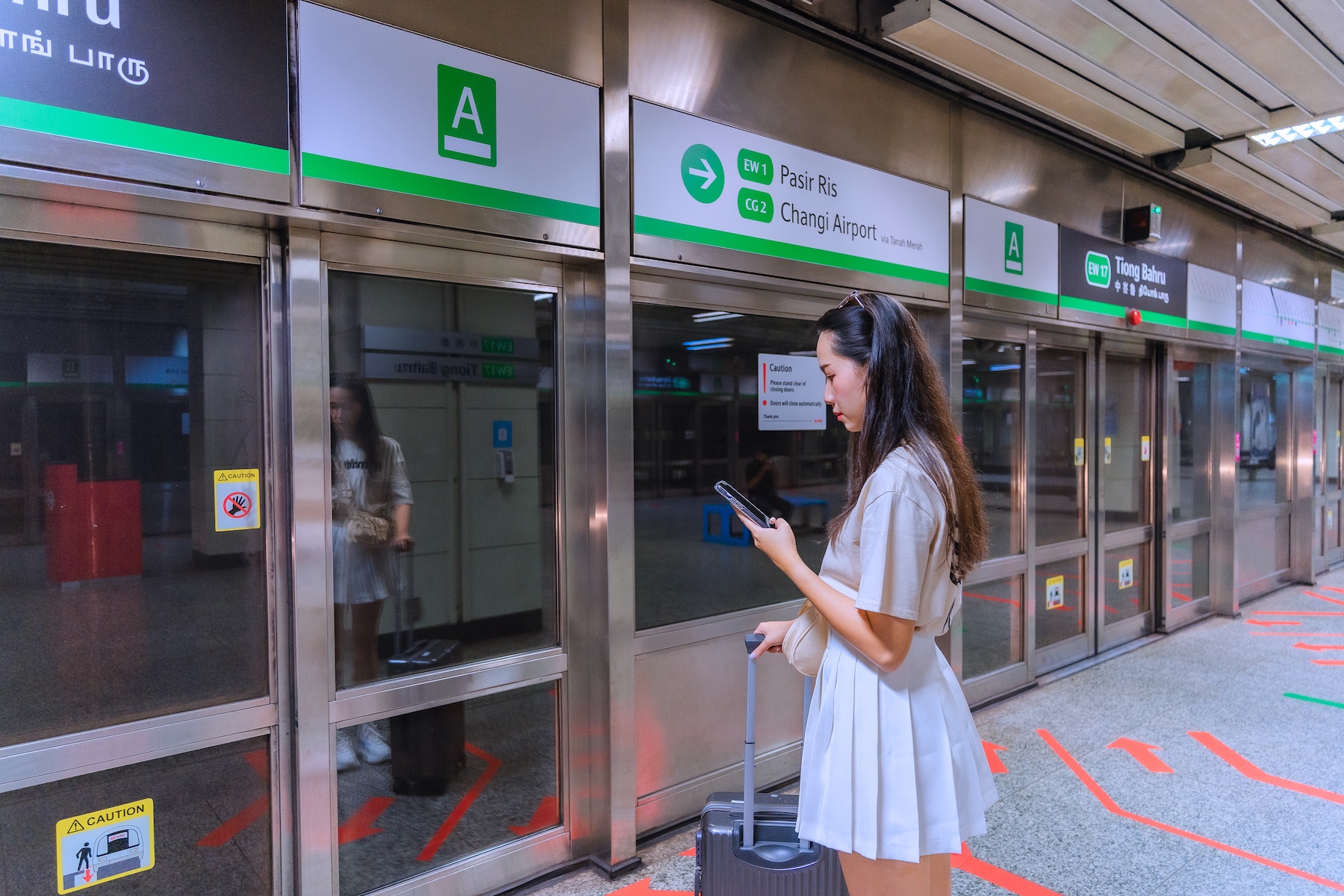
In collaboration with the National Crime Prevention Council (NCPC), the SPF launched a massive neighborhood watch program in 2021 that encourages civilians to be responsible for keeping their community safe from crime.
Reporting a crime in Singapore
If you are a victim of crime in Singapore
In Singapore, victims of crimes can report incidents to the SPF in the following ways:
- Emergency police services: If you need immediate assistance, call 999 or text 71999 for police, fire, or ambulance services. This number is for life-threatening situations, accidents, and any matters that require immediate police response.
- Non-emergency police services: To report a crime that does not require immediate attention, you can call the SPF hotline at 1800-255-0000 or submit a police report online. Operators are available 24/7 and can help you with the next steps, depending on your situation.
- Police posts and Neighbourhood Police Centres (NPCs): Find police posts and NPCs throughout Singapore that keep regular business hours (usually around 9:00–18:00) and accept crime reports in person.
Witnessing a crime in Singapore
If you witness a crime in Singapore, you can report it to the police in several ways depending on the severity and whether it’s an emergency. If it’s life-threatening, dial 999 immediately and let the operator determine the best course of action.
For other matters, you can use the Singaporean police online I-Witness system. I-Witness is a short police report that takes only a few minutes and allows reporters to remain anonymous.
Singaporean police
The SPF, Singapore’s national law enforcement agency, governs policing nationwide. It includes five regions and 55 geographic planning areas to cover the entire country. The Commissioner of Police leads the SPF, with three Deputy Commissioners beneath them. Each deputy presides over a different department:
- Policy
- Investigation and Intelligence
- Operations
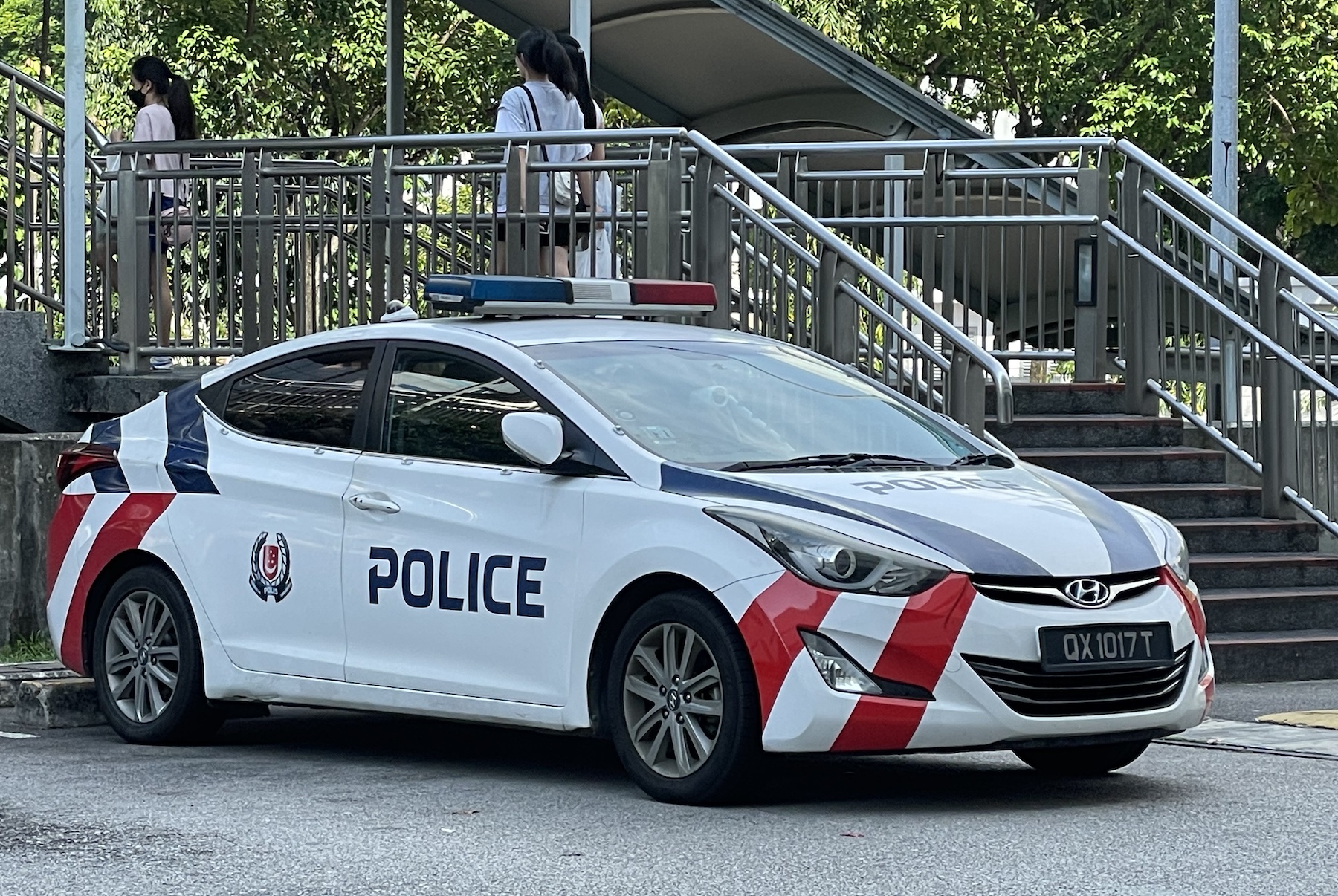
Singaporean police officers wear dark blue shirts with matching pants, a patch reading “police” on their chest, and a cap with the SPF emblem.
Police in Singapore are armed, often with various weapons, depending on rank and assigned duties. Their vehicles, known locally as Fast Response Cars (FRCs), are typically white with dark blue and red stripes along the body.
The Singaporean criminal justice system
Singapore bases its criminal justice system on the principles of public safety, deterrence, and social order. The Ministry of Home Affairs (MHA) is the highest body responsible for enforcing the criminal justice system in Singapore, with the SPF underneath it.
The SPF investigates crimes nationwide and passes the evidence on to the Attorney-General’s Chambers to prosecute criminal cases.
Courts in Singapore
Singapore’s courts that hear criminal cases include the following courts:
- Subordinate
- District
- High
For more serious offenses, the Court of Appeal is the highest jurisdiction. Judges, not juries, generally conduct trials. However, jury trials are used in some specific cases, such as capital offenses.
Which court will hear a civil case depends on the amount of money in question.
- Small Claims Tribunal: Deals with any claim of S$10,000 or less
- Magistrates’ Court: For disputes that do not exceed S$60,000
- District Court: For those of no more than S$250,000
- High Court: Deals with matters where the claim’s value exceeds S$250,000
The Singaporean trial process
Considered to be very fair and efficient, Singapore’s trial process generally has the following steps:
- Arrest and investigation: Suspect is arrested, and police investigate the case
- Charging and prosecution: Charges are filed by the Attorney-General’s Chambers
- First appearance in court (first mention): Accused is informed of charges and rights, which must be within 48 hours of arrest
- Pre-trial proceedings: Evidence exchange, pre-trial conferences, and case preparation
- Trial: Presentation of evidence, witnesses, and arguments in court
- Closing arguments: Prosecution and defense make final case summaries
- Verdict: Judge delivers a guilty or not guilty verdict
- Sentencing (if applicable): If guilty, the sentencing hearing determines the punishment
- Appeals: Both sides have the right to appeal
- Execution of sentence (if applicable): Serving the sentence or rehabilitation programs as needed
Punishments in Singapore
Singaporean courts abide by four sentencing principles when deciding punishments:
- Deterrence
- Rehabilitation
- Proportionate punishment
- Prevention
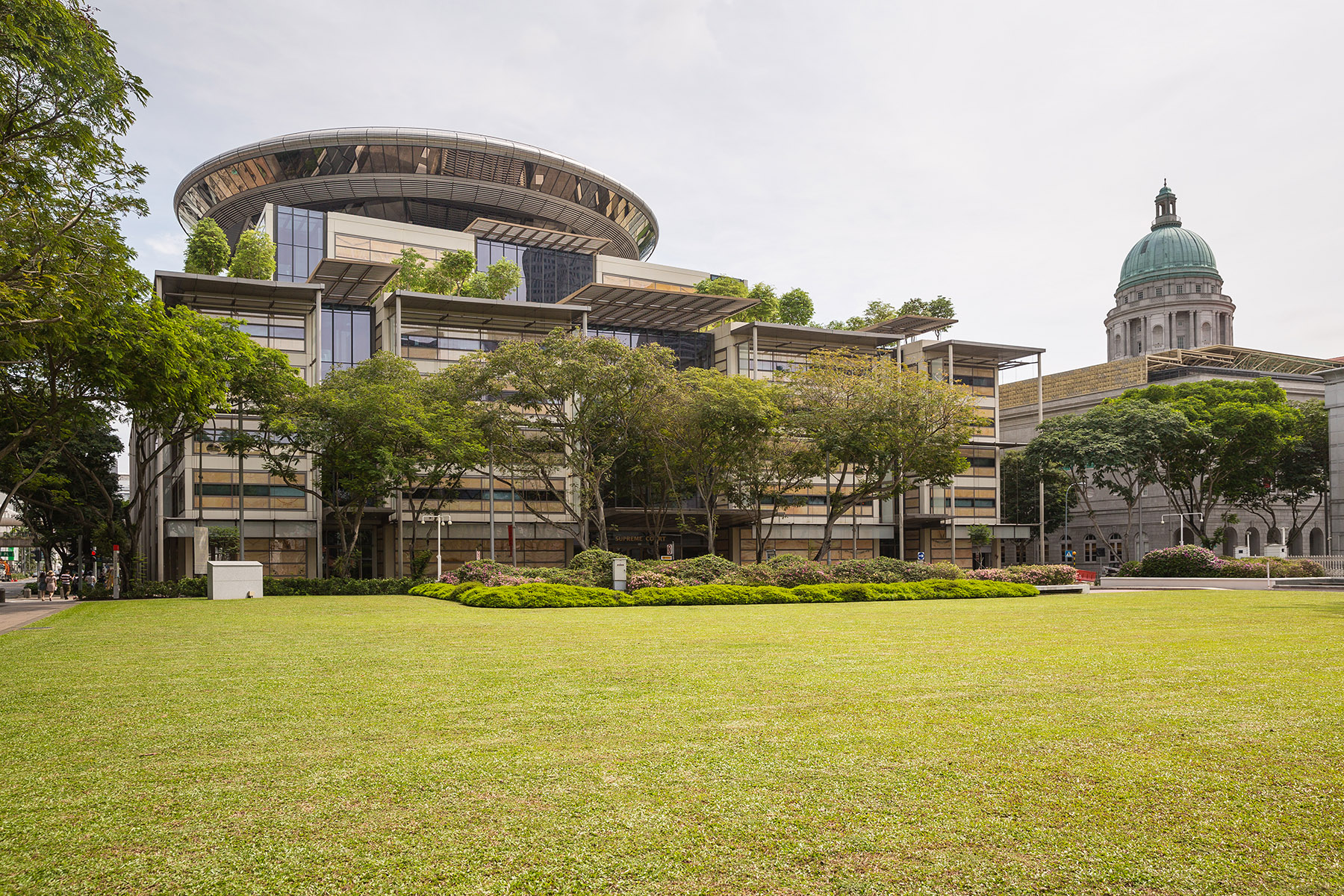
The law determines what punishments a judge can impose for a particular crime. Possible punishments in Singapore include:
- Imprisonment
- Fines
- Community service
- Caning
- The death penalty
- Probation
- Reformative training
- Corrective training
- Preventative detention
Capital punishment in Singapore
Capital punishment is legal in Singapore; only the High Court or Court of Appeal can impose it.
Execution involves a long-drop hanging, usually at dawn. People who are pregnant or under 18 at the time of sentencing cannot receive the death penalty in Singapore.
While the government claims to reserve capital punishment for only the most serious crimes, research shows that far more inmates awaiting execution (as of 2023) are incarcerated for drug-related crimes rather than violence.
Corporal punishment in Singapore
According to Singaporean law, authorities can use caning as a form of corporal punishment, usually in addition to a prison sentence.
Typically, specially trained corrections officers perform the caning, between three and 24 strokes, depending on the offense, with a thick rattan cane that may swing up to 160km/h. Corporal punishment is reserved for males between 18 and 49.
More than 30 crimes carry possible judicial caning punishments, some related to immigration offenses, including:
- Entering the country without a valid permit
- Overstaying your visa by more than 90 days
- Employing workers who do not have the legal right to work in Singapore
However, there is insufficient data on how often authorities enforce corporal punishment in reality, especially for overstayers.
Singapore’s most serious crimes
Like many countries, Singapore regards the following as the most serious offenses:
- Violent crimes, including murder, rape, and manslaughter
- Drug trafficking
- Crimes that pose a public security threat, such as terrorism, fraud, and corruption
Additionally, Singapore has strict drug laws and considers possession of any drug over a certain amount to be tantamount to trafficking – a crime that is punishable by death.
Anyone convicted of premeditated murder in Singapore receives the death penalty. Lesser punishments exist for attempted murder, as well as homicide or manslaughter.
The punishment for rape in Singapore depends on different factors, including the degree of violence involved and the victim’s age. Generally, the convicted person will receive 10 to 20 years in prison plus 6 to 24 strokes with a cane.
Theft or burglary
Singapore treats theft and burglary differently.
Theft (e.g., shoplifting or stealing a vehicle) is a victimless crime with lesser penalties. However, and robbery (e.g., extortion, breaking and entering) can harm another person and involve heavier punishments.
Typically, crimes of theft only carry fines or community service if it’s the offender’s first time. Otherwise, you can spend up to three years in prison if you’re a repeat offender. Burglary and robbery, on the other hand, carry up to 20 years in jail, along with 6 to 12 strokes of the cane.
Terrorism offenses
As in most countries, Singapore considers terrorism a grave crime and handles it as a matter of national security. The Inter-Ministry Committee on Terrorist Designation – established by the MHA in 2012 – investigates acts of terrorism and those who finance it.
Punishments vary greatly depending on the exact nature of the terrorist activities financed, planned, or carried out. But in general, convicted terrorists and those who support them will receive lengthy prison sentences and heavy fines.
Drug and alcohol-related offenses
Singapore is known for its tough line against drug use and possession, including cannabis, with the ‘Drug-free Singapore’ campaign advocating for zero tolerance toward drugs.
In addition, the Misuse of Drugs Act 1973 sets threshold amounts for drug possession that assume intent to traffic. Drug trafficking is punishable by life imprisonment, caning, or even death.
For first-time offenders, drunk driving is punishable by up to a year in jail, a fine of S$2,000 to 10,000, and a two-year driving ban. After the first offense, you could face up to two years in prison, a S$5,000 to 20,000 fine, and a five-year driving ban.

Local expert
Gayatri Bhaumik
Insider Tip
Singaporean citizens, residents, and expats should be aware of the strict regulations against marijuana and CBD use. Random airport testing may have legal consequences, such as fines or imprisonment if the results show that you’ve consumed marijuana, used CBD oil, or consumed gummies. Or if you carry any related products with you.
Fraud
Fraud, in the form of scams and cybercrime, causes Singapore’s residents to lose around S$340 million yearly (PDF). According to the SPF, the most common types of scams in Singapore are:
- Job scams
- E-commerce scams
- Fake friend call scams
- Phishing scams
- Investment scams
- Financial or banking scams
The crime known as “cheating” in Singaporean criminal law includes any fraud committed by getting an individual or business to give away money under dishonest or fraudulent circumstances. Cheating is punishable by law in Singapore.
In most cases, someone guilty of fraud receives a two- or three-year prison sentence plus a hefty fine (around S$50,000).
Driving/traffic offenses
The most common traffic offenses in Singapore are:
- Exceeding the speed limit
- Reckless or dangerous driving
- Driving without due care and attention or consideration for others
- Using a mobile phone while driving
- Driving under the influence of drugs or alcohol
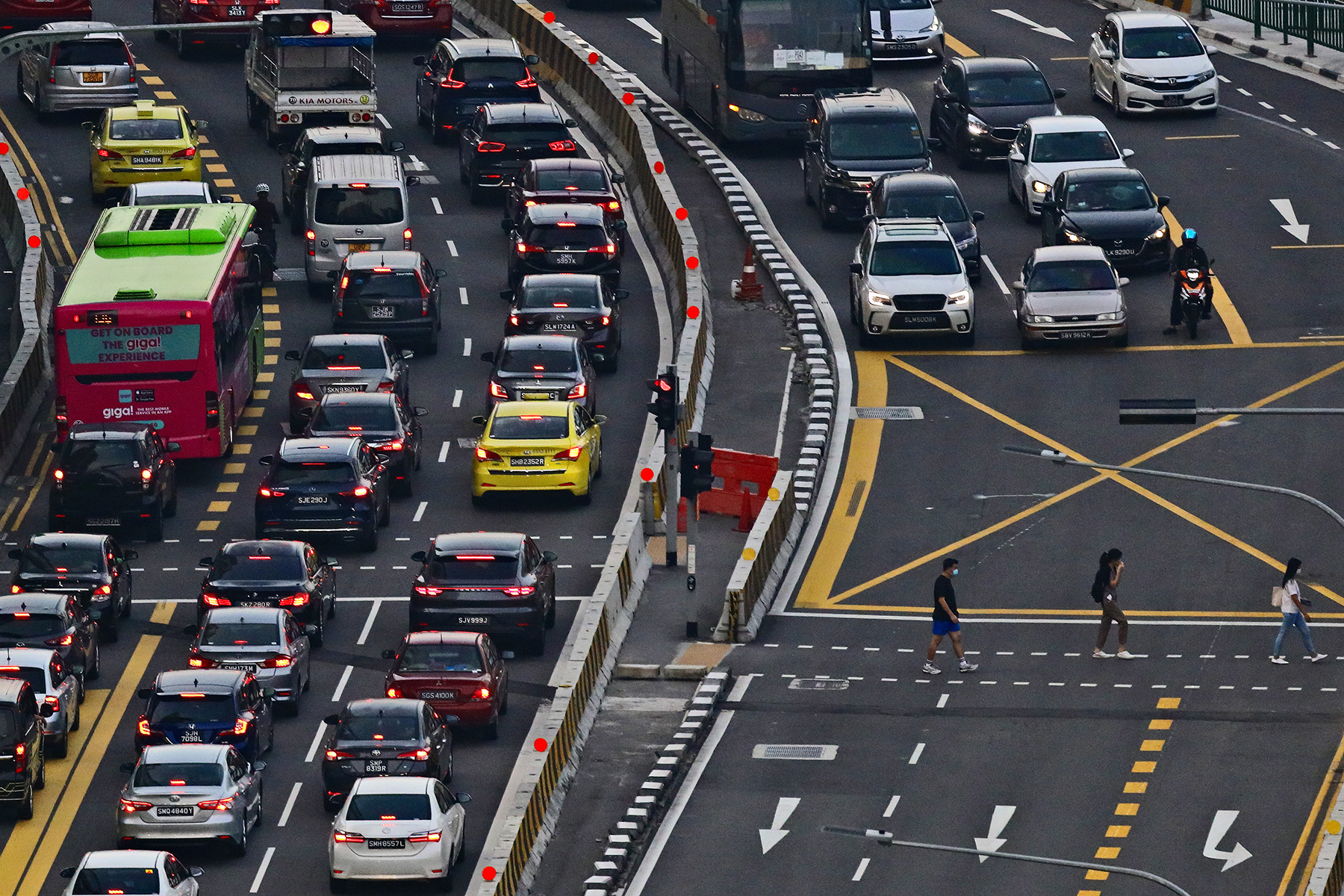
In general, you would pay fines of around S$1,000 for minor offenses, like exceeding the speed limit and using a mobile phone while driving.
However, the punishments are heavier and involve jail time or temporary loss of your license for the following crimes:
- Reckless driving
- Failure to use care or consideration
- Driving while under the influence
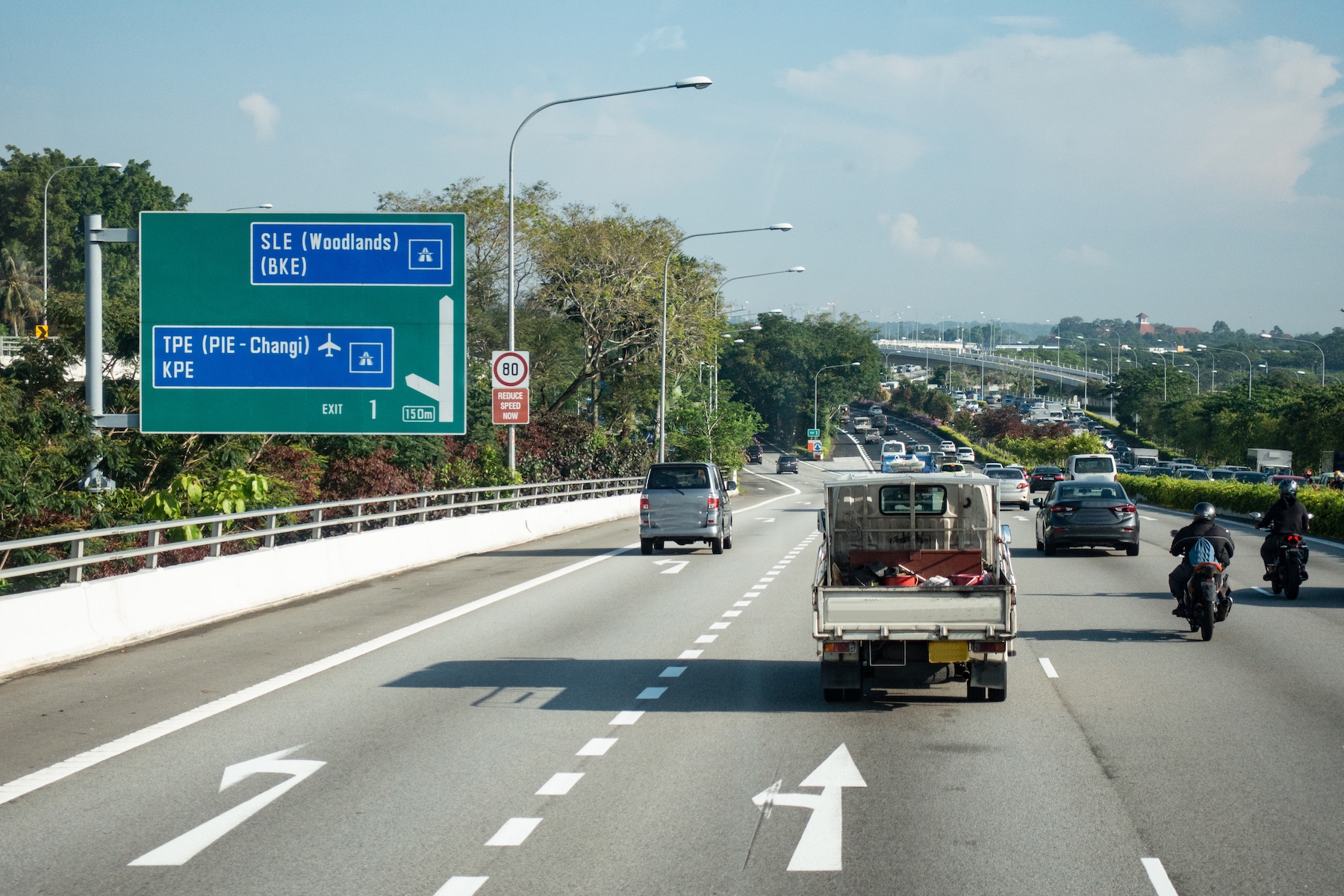
It’s worth noting that Singapore uses a Driver Improvement Points System (DIPS), where you receive demerits based on a list of offenses. A judge can suspend your driver’s license if you break enough traffic laws, however small, to exceed the points limit.
Hate crimes or crimes of racial or religious hatred
Singapore does not categorize crimes motivated by hatred explicitly as hate crimes. In fact, the Singaporean government does not track the motivations behind crimes, so there’s no way to know their exact prevalence.
However, Singaporean law does prohibit crimes that affect racial and religious harmony, which signifies that someone has targeted people of a particular race or religion. From 2016 to 2021, Singaporean police investigated 143 instances of crime affecting racial and religious harmony. Of these, two received fines, five got jail time, and five got fines and prison sentences.
Immigration-related crimes
Singapore has strict laws regarding immigration-related offenses, such as entering the country under false pretenses or overstaying the allowed duration of a visa or residence permit. In some cases of immigration crime, corporal punishment may be a legal penalty.
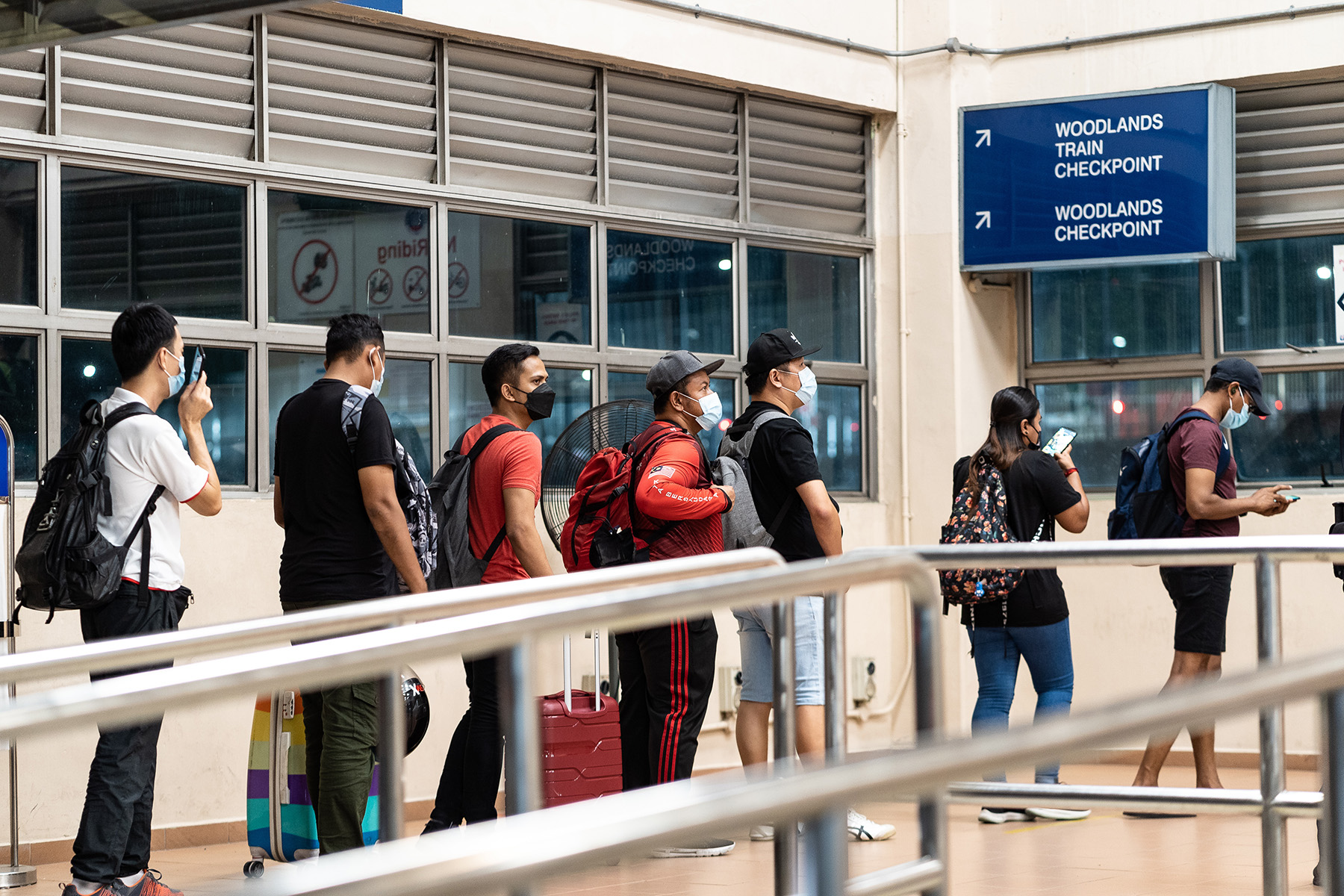
When entering or leaving Singapore without a valid pass, individuals may face penalties, such as a jail sentence of up to six months and, in some instances, three strokes of the cane. The typical consequence for those who overstay their visa by less than 90 days is a fine of S$4,000 or a six-month jail term.
Overstaying beyond 90 days is considered a serious offense by the Singaporean government, with a prescribed penalty of six months imprisonment and caning (reserved for males between 18 and 49). However, the authorities may choose not to use corporal punishment.
Crimes of anti-social behavior
Unlike in other countries, it’s uncommon to see open displays of anti-social behavior or juvenile delinquency in Singapore. The country has a strict interpretation of socially acceptable behavior, and officials take steps to ensure that the general public maintains order according to the rules.
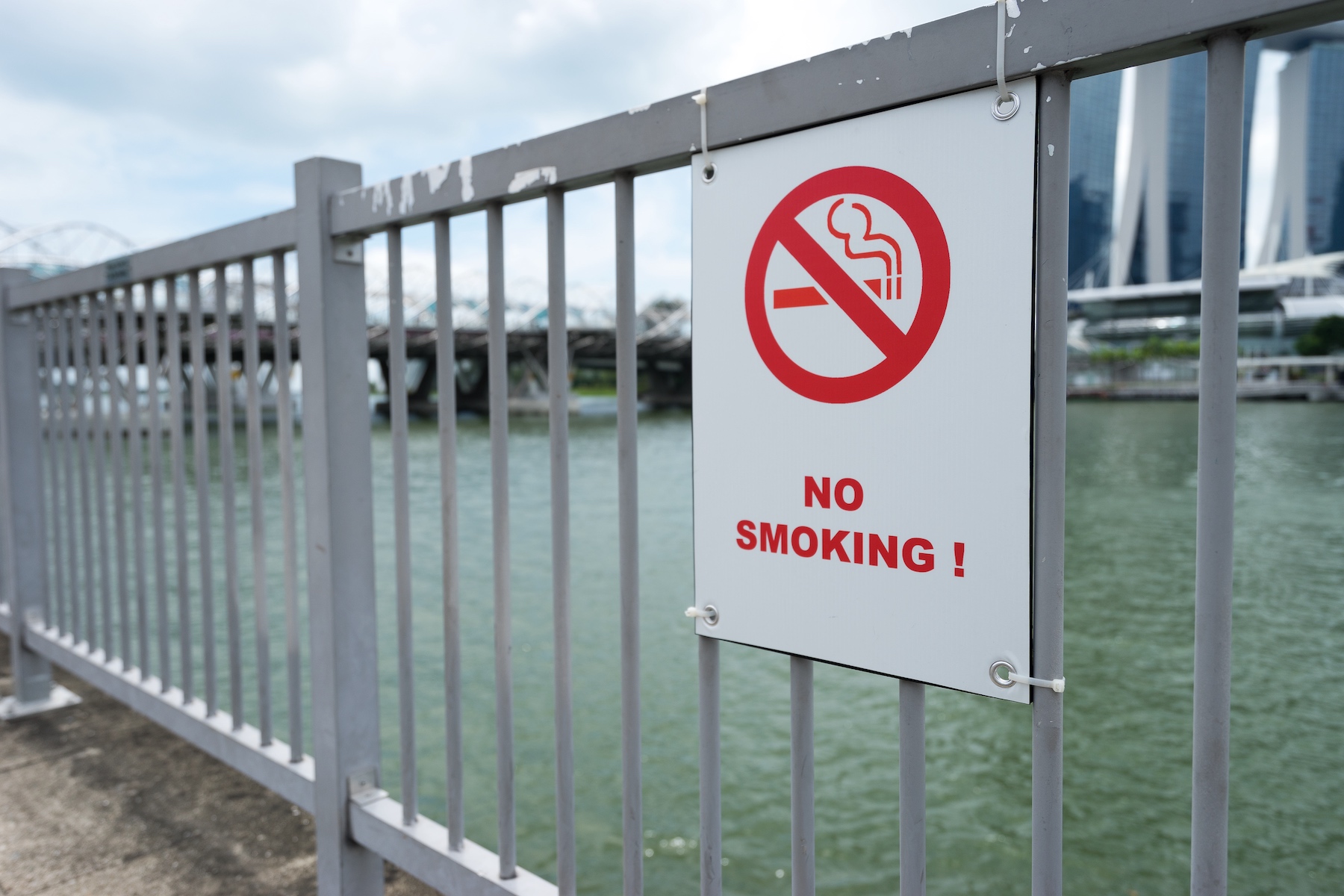
In 2021, Singapore trialed two street-patrolling robots (i.e., Xavier) equipped with cameras to scan a busy public area for anti-social behavior, such as smoking in restricted areas and illegal parking.
It would display a message about the offending behavior to educate the public and send an alert to the command center. However, it had no enforcement ability.
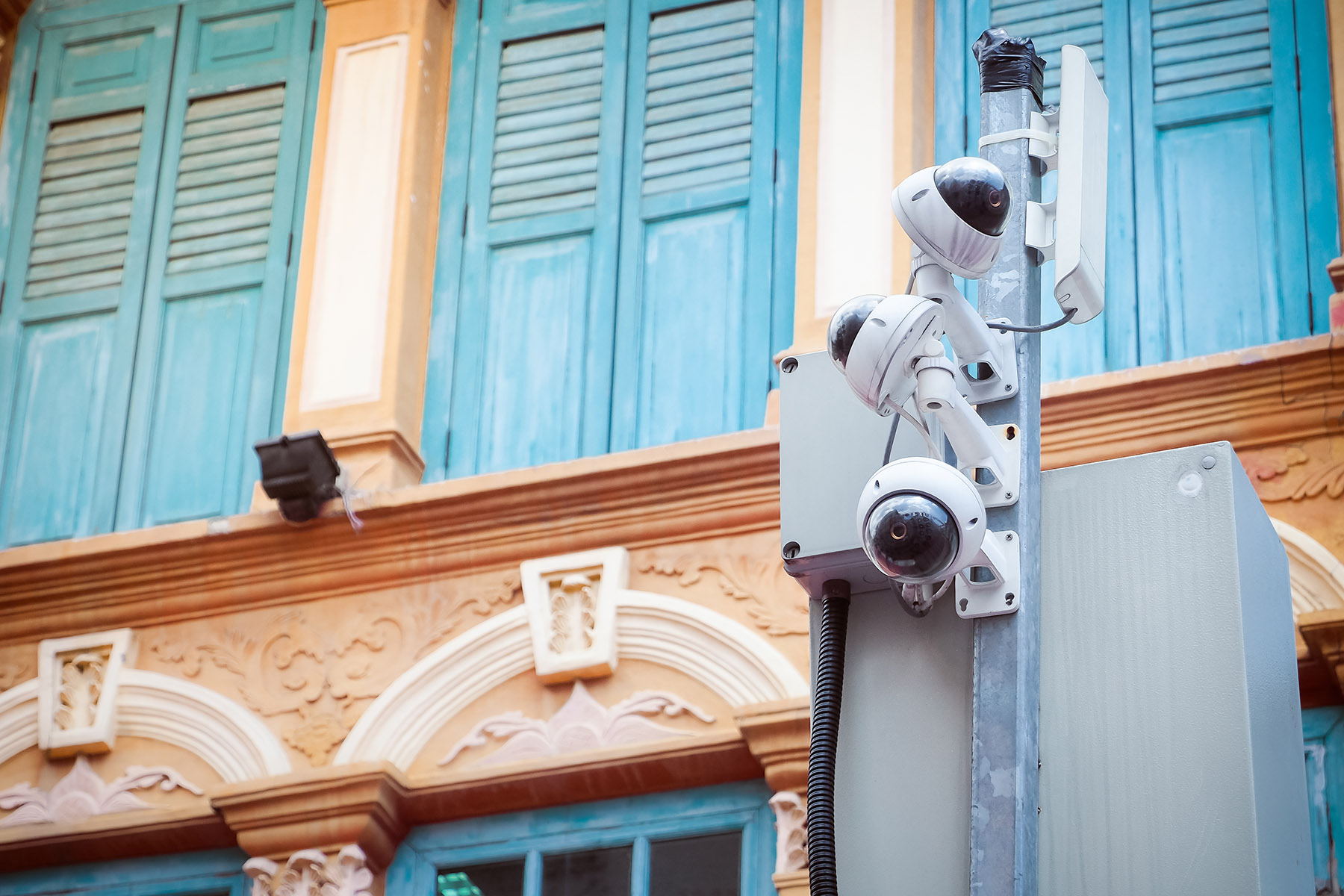
This trial may not have resulted in more similar deterring machines on the street, but it is a nod to the city-state’s aim to increase street surveillance with more than 200,000 cameras by 2030.
Singaporean prisons
Prisons in Singapore are known for their strict policies, high security, and emphasis on rehabilitation. The Singaporean government takes a tough stance on crime and designs its prison system to maintain law and order while also working to reintegrate offenders into society. Most prisoners have opportunities to work, further their education, or learn vocational skills to help them succeed after they’ve completed their sentence.
As a result of its focus on rehabilitation, the country’s recidivism rate is relatively low.
There are 14 correctional facilities in Singapore, including drug rehabilitation centers. The country’s oldest and largest prison is Changi Prison Complex, which held Allied prisoners of war during World War II.
Your rights if you are arrested in Singapore
If arrested in Singapore, the police can hold you for 48 hours for interviews without charging you with a crime. This is a period known as ‘remand.’ During this time, you must cooperate with the police investigation until they determine whether or not there’s enough evidence to charge you.
It is illegal to lie to the police during a criminal investigation in Singapore. However, you also have the legal right to protect yourself against self-incrimination and not say anything suggesting you’re guilty of a crime during the police interviews.
You have the right to request a lawyer while in police custody, but they may refuse if it interferes with the investigation. At the end of the 48 hours, the police decide whether to charge you with a crime or release you unconditionally. Even if formally charged, you may be eligible for bail rather than remaining in jail while they continue investigations.
While in police custody, you have the right to a clean jail cell and access to food and water. If you suffer from any mental or physical conditions, the police must refer you to a doctor as soon as possible.
Also, women have the right to privacy and separate cells from men. The same goes for juveniles, who should have a space away from adults while in custody.
Legal rights for foreigners in Singapore
For arrested foreigners in Singapore, their rights are mostly the same as Singaporean citizens. The one exception is that the police must notify the international resident’s embassy or consulate of their arrest.
Being convicted of a crime can affect your legal status in Singapore, both for living and working. For example, being on a blocklist due to your conviction prevents employers from sponsoring your work permit.
If you have a criminal record for a serious crime, the Singaporean government may consider you a prohibited immigrant and deport you and your dependents.
Extradition treaties
The Extradition Act of 1968 ensures that, in most cases, you will have to return to Singapore and face charges if you commit a crime in the country and then flee.
Singapore has extradition treaties with the US, Hong Kong, and Germany. The country also has extradition agreements with 40 commonwealth countries, including the United Kingdom (UK), Australia, Canada, and India.
Finally, Malaysia and Brunei recognize arrest warrants from Singapore, which is more straightforward than going through the extradition process.
To be extradited to Singapore, the crime in question would have to be an extradition offense. This includes, but is not limited to:
- Murder or homicide
- Assault
- Rape
- Kidnapping
- Bribery
- Fraud
- Burglary or robbery
Singapore’s divorce laws
You can get a divorce in Singapore if you’re a citizen or have lived there for three consecutive years. Also, you can’t get divorced unless you’ve been married for three years already, except with special permission from the court.
While Singapore is a no-fault divorce country, you must prove to the court that your marriage has reached the point of no return. Legally, reasons for divorce include adultery, unreasonable behavior, desertion, and separation.
Note that Muslim marriages are subject to the rules of the Syariah Court rather than Singapore’s civil court, and the divorce requirements may differ.
Useful resources
- SPF crime statistics – view PDFs on various types of crime in Singapore in 2023
- SPF scams bulletin – see the most popular scams in Singapore from the past week
- NCPC crime advisories – learn how to stay safe from the most common crimes in Singapore
- SG Courts – detailed information on what happens when you’re charged with a crime in Singapore
- Sentencing in Singapore – a guide to court sentences and crime punishments
- Singapore Legal Advice – a guide to being charged with a crime as a foreigner living in Singapore
Related Articles



Editor's picks

Did you find this guide helpful?