
'%20id='ico-down'%20stroke='%23000000'%20stroke-width='1.5'%3e%3cg%20transform='translate(1092.250000,%20254.750000)'%3e%3cpolyline%20id='Path-2-Copy-4'%20transform='translate(5.500000,%202.750000)%20scale(1,%20-1)%20rotate(-180.000000)%20translate(-5.500000,%20-2.750000)%20'%20points='0%200%205.5%205.5%2011%200'%3e%3c/polyline%3e%3c/g%3e%3c/g%3e%3c/g%3e%3c/svg%3e)


Moving
Visas & Immigration
Permanent residence in the Netherlands
After living in the country for five years, foreign nationals and their family members can apply for permanent residence in the Netherlands.

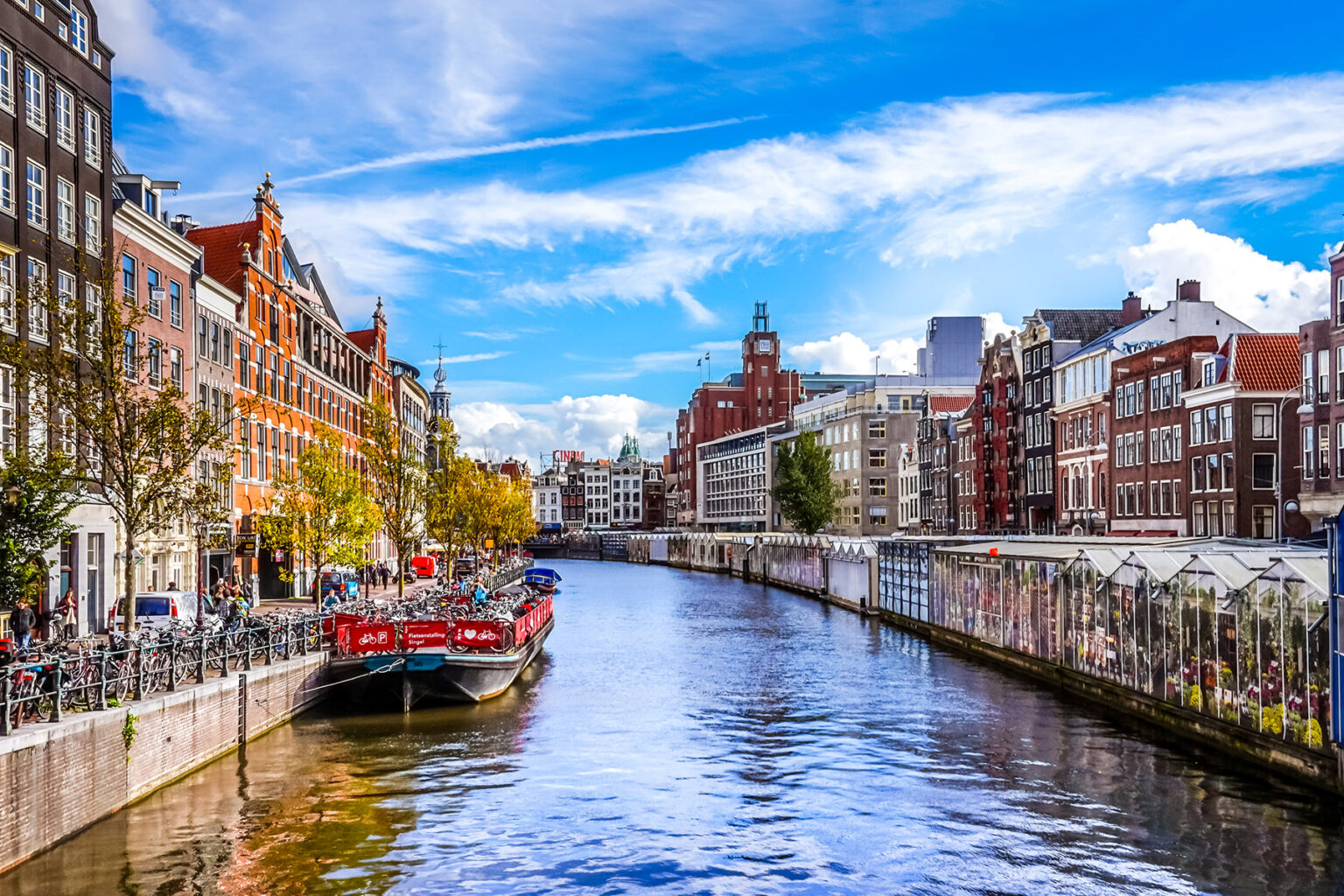
If you’ve lived in the Netherlands long-term on a residence permit or as an EU/EFTA national, you can apply for permanent residency. This alternative to Dutch citizenship is easier to obtain while still offering some of the same benefits.
Read on to find out more about:
Everaert Advocaten
With over 40 years of experience, Everaert Advocaten is your go-to for immigration queries. Their teams specialize in immigration law, including Dutch citizenship, employment, entrepreneurship, family reunification, and permanent residence. Whether you need legal help with your immigration status or want to hire someone from abroad, Everaert Advocaten will explore your options.

Permanent residence in the Netherlands
You can apply for permanent residence in the Netherlands if you have been living there for five continuous years (less in certain cases) and meet other eligibility requirements. There are four different types of Dutch permanent residence permits (verblijfsvergunning onbepaalde tijd), all with similar entitlements, requirements, and application processes. These are:
- Permanent residence permit for EU/EFTA citizens and their family members
- Permanent residence permit for non-EU/EFTA nationals
- Long-term EU residence permit, which is valid in all EU/EFTA countries
- Permanent asylum residence permit
The Immigration and Naturalization Service (Immigratie- en Naturalisatiedienst – IND) deals with all residence permit applications in the Netherlands.
Citizenship vs permanent residence in the Netherlands
There are many similarities between permanent residence and citizenship in the Netherlands. In terms of requirements, you need to meet the five-year residency (less in certain cases) and integration requirements for both. When it comes to entitlements, both citizenship and permanent residence will allow you to:
- Work, study, start your own business, or freelance in the Netherlands
- Access Dutch social security and public healthcare
- Buy property and get a mortgage in the Netherlands
- Leave and return to the Netherlands as many times as you want
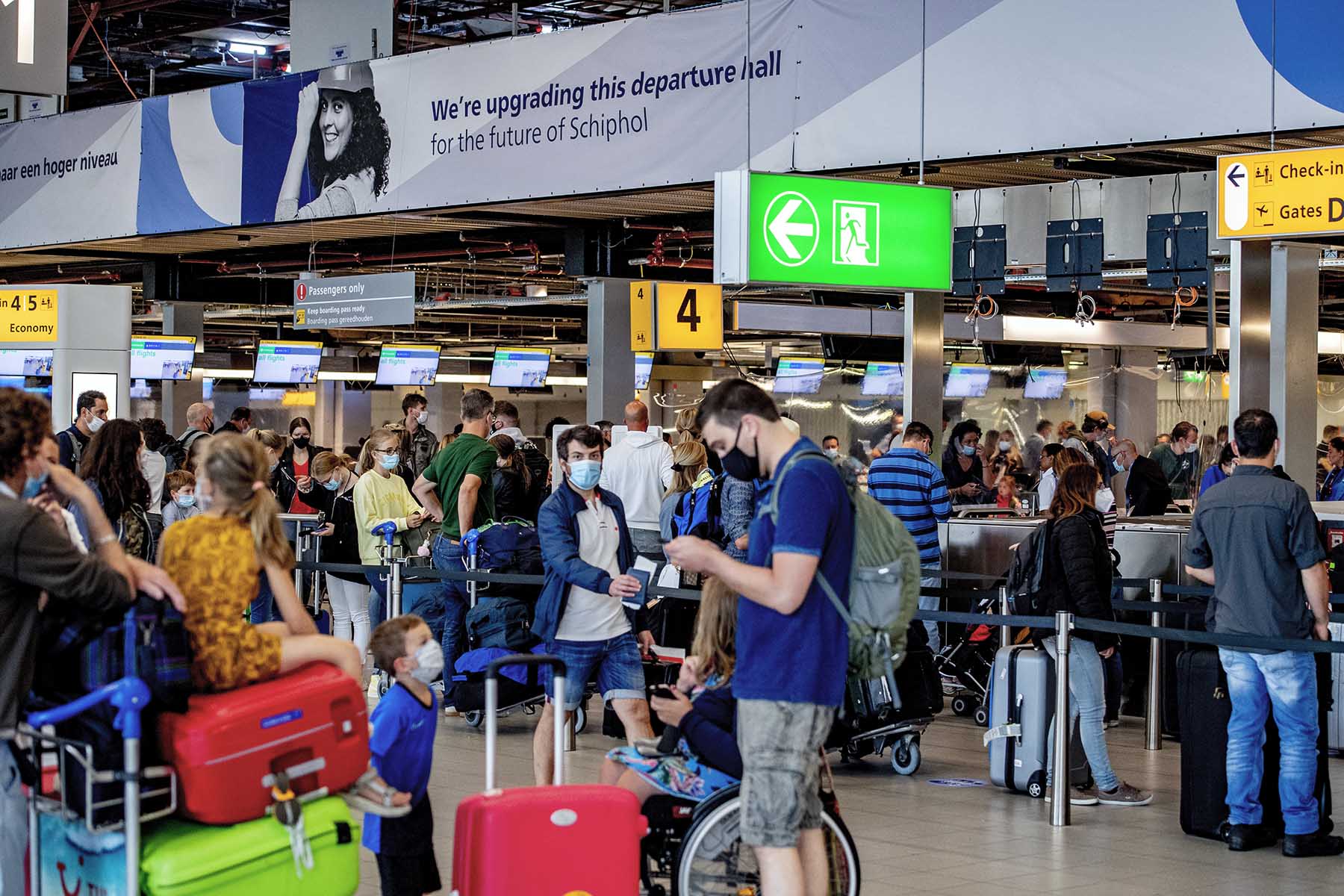
However, there are also differences between Dutch citizenship and permanent residence. For example, Dutch citizens have additional rights not afforded to permanent residents. These are:
- Dutch passport
- Full voting rights in all national elections
- The right to stand for any position in public office
- The right to relocate abroad for unlimited periods – with a permanent residence permit, you cannot leave the Netherlands voluntarily for long periods
- Unlimited validity – you have to renew your permanent residence permit every five years
- More citizenship rights for children born outside the Netherlands
Although Dutch citizenship comes with more rights, it has a lengthier and more costly application process. Furthermore, there are additional requirements associated with citizenship. For example, in most cases, you will have to give up your existing nationality to become a Dutch citizen.
Requirements for Dutch permanent residence
The requirements for a permanent residence permit in the Netherlands are:
- You must have had legal residence in the Netherlands for at least five continuous years. This is reduced for some EU/EFTA citizens, and there are certain other exceptions to this requirement.
- You must be at least 13 years old (only years from the age of eight count towards the five-year residency period).
- Your main residence was in the Netherlands for this five-year period.
- The conditions on any existing residence permit are still met, and you have always renewed your permit on time.
- Your current residence permit isn’t a fixed-term temporary residence permit.
- You must have a clean criminal record and no evidence of being a threat to public order or national security.
- If you are applying as a non-EU/EFTA national, you must earn a sufficient income (at least €1,207.50 a month salary without holiday allowance in 2022).
- You have a BSN and are registered in the Personal Records Database (Basisregistratie Personen – BRP).
- You must pass the Dutch civic integration exam, unless you are exempt from taking it.
How to apply for permanent residence in the Netherlands
You can apply for permanent residence in the Netherlands online if you have a DigiD account. Otherwise, you can submit a written application form. You can find links to the following application forms:
- 6009 form for a permanent residence permit or EU long-term residence for non-EU/EFTA nations (in Dutch)
- 8004 permanent residence form for EU/EFTA citizens and family members
- 6011 form for a permanent asylum residence permit (in Dutch)

The necessary documents vary slightly depending on the type of permit you apply for. In general, you will need to provide (translated into Dutch, English, French, or German):
- Passport or valid travel ID
- Current residence permit or proof that you have been a Dutch resident for the required period of time
- Proof of income, for example, bank statements or employment contract (unless applying as an EU/EFTA citizen or family member)
- Proof of civic integration, if required
- Evidence of clean criminal record
- Additional evidence if you qualify for an application before the five-year residence period, for example, proof of retirement if applying as a retired EU/EFTA national
You should make your application within three months of the expiration date of your current residence permit. The IND will then notify you of their decision within six months (or 90 days in the case of applications for EU/EFTA citizens). You will need to arrange to collect your permit as soon as it is ready.
If you need assistance applying for permanent residence or aren’t sure which to apply for, it’s worth reaching out to legal professionals who specialize in helping internationals with their residency queries. Law firms with this expertise in the Netherlands include Everaert Advocaten.
Permanent residence costs in the Netherlands
The costs for permanent residence in the Netherlands are (as of 2024):
- EU/EFTA/Turkish citizens – €76 (reduced to €41 for children aged under 18)
- All other first applications for a permanent residence permit – €228 (reduced to €76 for children aged under 18)
The fee is to process your application and is non-refundable, even if the IND rejects your application.
Dutch permanent residence for UK nationals after Brexit
UK nationals already living in the Netherlands can apply for a permanent residence permit under the terms of the Brexit Withdrawal Agreement. They must meet the following conditions:
- Be a UK citizen or family member (spouse/partner, child, grandchild, great-grandchild, parent, in-law, or grandparent) of a UK citizen
- Have been living legally in the Netherlands by 1 January 2021 or came to the Netherlands after this for family reunion with a UK national
- Have been living in the Netherlands for at least five continuous years (less in some cases)
- Pose no threat to public order or national security
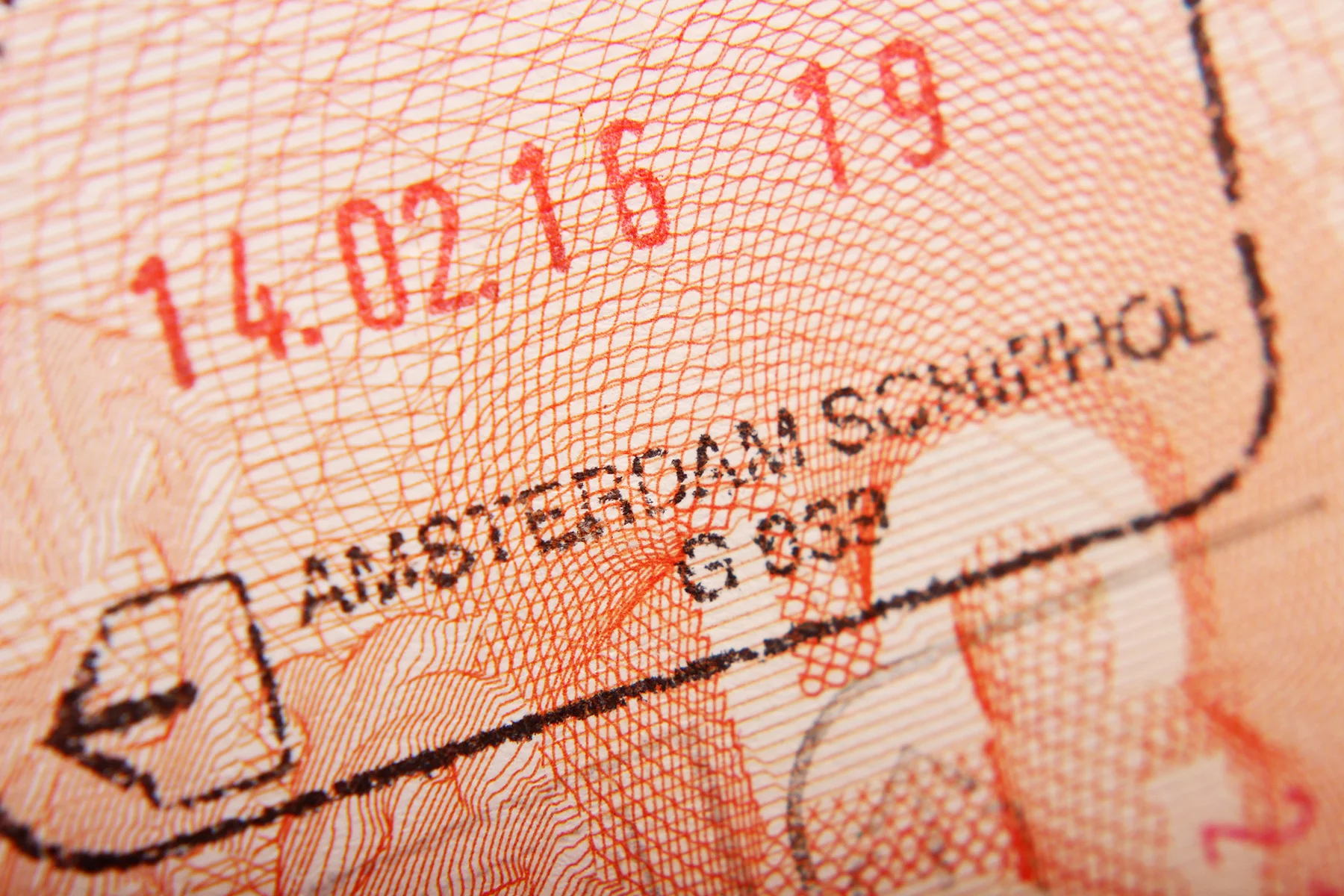
The fee for this is the same as for EU/EFTA citizens – currently €69 for adults and €37 for children. Decisions should take no more than 90 days. You can also apply online if you have DigiD. Otherwise, you can submit a written application form.
Renewing your permanent residence in the Netherlands
Permanent residence in the Netherlands is unlimited. This means that your permanent residence won’t expire, and you won’t lose it as long as you don’t break the conditions of your permit. However, the permits themselves have an expiration date, and you’ll need to renew it when it expires, as you’ll still need it to re-enter the Netherlands if you leave for a short period.
Dutch permanent residence permits are valid for five years or 10 years in the case of EU/EFTA permits for adults over 18. You can renew them through your local IND office or online if you have a DigiD account.
Current renewal costs (in 2024) are €76 for adults and €41 for children. If you need to replace a lost or stolen permit, these costs then increase to €154 for non-EU/EFTA/Turkish adults (€76 for children).
Dutch permanent residence for family members
Family members need to meet the same requirements for a permanent residence permit in the Netherlands. In other words, they will need to have lived in the Netherlands for the required period. If they are not an EU/EFTA citizen, and neither is their family member, they must be sufficiently integrated and have a minimum income (unless they are a dependent child under 18). Family members need to make their own applications and pay separate fees.
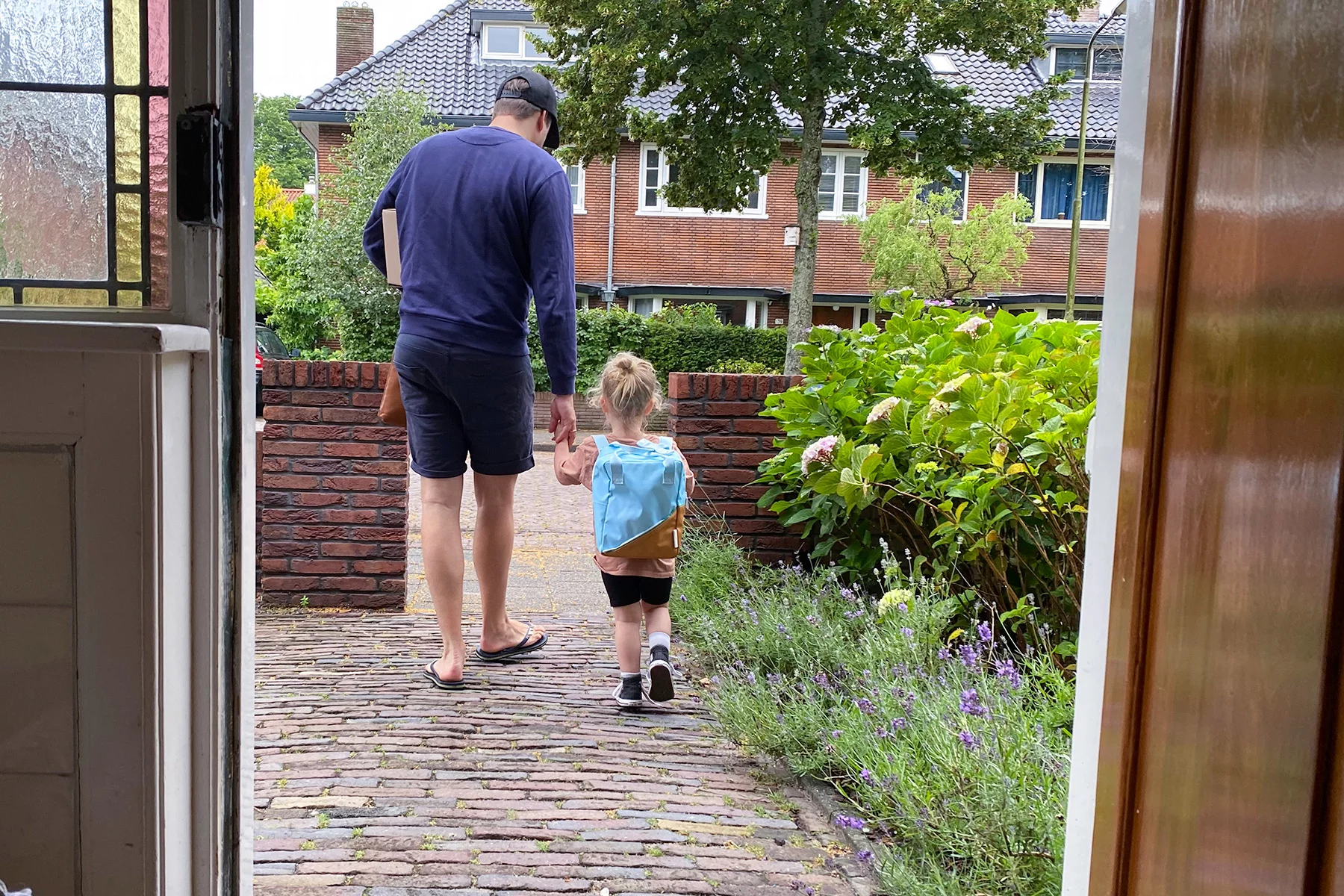
The following relatives can apply for permanent residence as family members of EU/EFTA citizens or UK nationals under the Brexit Withdrawal Agreement terms. This means that they pay lower fees and also have to meet fewer requirements:
- Spouse/partner
- Ascendant relatives (parents, in-laws, grandparents)
- Descendant relatives (children, grandchildren, great-grandchildren)
They will need to provide proof of relationship, such as a marriage or birth certificate.
If you take permanent residence in the Netherlands as a non-EU/EFTA national, your spouse/partner and any children aged under 18 can also join you on a family reunion visa. They will get their own temporary residence permit and can apply for permanent residence after living in the Netherlands for five straight years.
Losing your permanent residence rights in the Netherlands
The Dutch authorities can only revoke your permanent residence if you:
- Leave the Netherlands for longer than permitted
- Commit a serious crime which means that you are considered a threat to public order and national security
The amount of time you can leave the Netherlands without returning depends on your permanent residence permit type:
- EU/EFTA citizens and family members – up to two years
- Non-EU/EFTA nationals – up to six months, or up to four months in three consecutive years
- Long-term EU residence permit – up to one year, extended to six years if remaining within the EU/EFTA region
- UK nationals and family members under the Brexit Withdrawal Agreement – up to five years
If you leave the Netherlands for a continuous period longer than this, the authorities will no longer consider the Netherlands to be your main residence, and they may withdraw your permit. You can reapply once you become eligible again, for example, after living in the Netherlands for another five years.
What to do if your application for Dutch permanent residence is rejected
If the IND rejects your application for permanent residence in the Netherlands and you feel this is unfounded, you can appeal the decision within four weeks of receiving it. You need to send a written objection that clearly details your reasons for your appeal.
The IND will review your appeal and decide within 6-19 weeks. In certain complicated cases, the process may take up to 25 weeks. If the original decision is upheld and you are still unhappy, you can take the matter to a Dutch court (information in Dutch).
In some cases, the IND may offer to extend your existing temporary residence permit instead of granting permanent residence. You can then resubmit a permanent residence application at a later date.
Useful resources
- Immigration and Naturalization Service (Immigratie- en Naturalisatiedienst – IND) – deals with all issues concerning residence permits in the Netherlands
Related Articles


Editor's picks
 Higher education in the Netherlands: a guide to Dutch universitiesThe Netherlands is home to some of the world's top universities. Learn all about the different subjects available at Dutch institutions.
 Child benefits in the NetherlandsYou can claim different types of child benefits in the Netherlands, to help with the costs of child-rearing, schooling, and childcare.
 Primary schools in the NetherlandsConfused by the primary school system in the Netherlands? We explain how it works, from educational approaches to international options.
Did you find this guide helpful?