
'%20id='ico-down'%20stroke='%23000000'%20stroke-width='1.5'%3e%3cg%20transform='translate(1092.250000,%20254.750000)'%3e%3cpolyline%20id='Path-2-Copy-4'%20transform='translate(5.500000,%202.750000)%20scale(1,%20-1)%20rotate(-180.000000)%20translate(-5.500000,%20-2.750000)%20'%20points='0%200%205.5%205.5%2011%200'%3e%3c/polyline%3e%3c/g%3e%3c/g%3e%3c/g%3e%3c/svg%3e)


Move
Visas + Immigration
How to immigrate to Japan: visas in 2026
The Japanese immigration system can be complex. Learn more about the available visas, processes, and costs, and you’ll be living in Japan in no time.


There are many reasons why you’d move to Japan. For example, you could be studying at one of Tokyo’s top universities or looking to teach English as a second language. Plenty of people are also capitalizing on the working holiday visa program.
Depending on your nationality, you may be able to skip the visa line if you’re staying in Japan for a short term. When you’re planning to visit the country for longer, or you want to move there, you’ll need to apply for a permit.
Here’s what you need to know about getting a visa:
MyVisaJapan
Are you or your partner moving to Japan on a spouse visa? MyVisaJapan offers a cutting-edge AI-powered platform that streamlines the application. You can renew your spouse visa, change to that visa type, or apply for a Certificate of Eligibility with their specialized application preparation service.

Immigration in Japan
After relaxing (most of) its border measures against COVID-19, tourism and immigration (入国, nyukoku) to Japan are once again soaring.

The number of foreign nationals living in Japan surpassed 3 million at the end of 2022. Although this is a record high, that’s still only 2-3% of the total population. Most expats hail from the Republic of China, Vietnam, and the Koreas. The most popular visas to move to Japan are:
- Permanent residency (around 864,000 people)
- Technical Intern Training (almost 325,000 people)
- Engineer/Specialist in Humanities/International Services (around 312,000 people)
- Study (just over 300,000 people)
- Special Permanent Residency (i.e., foreign nationals (and their children) who lost their Japanese citizenship due to the 1952 San Francisco Peace Treaty; a little less than 289,000 people).
It is unclear how many foreigners and expats take on Japanese citizenship.
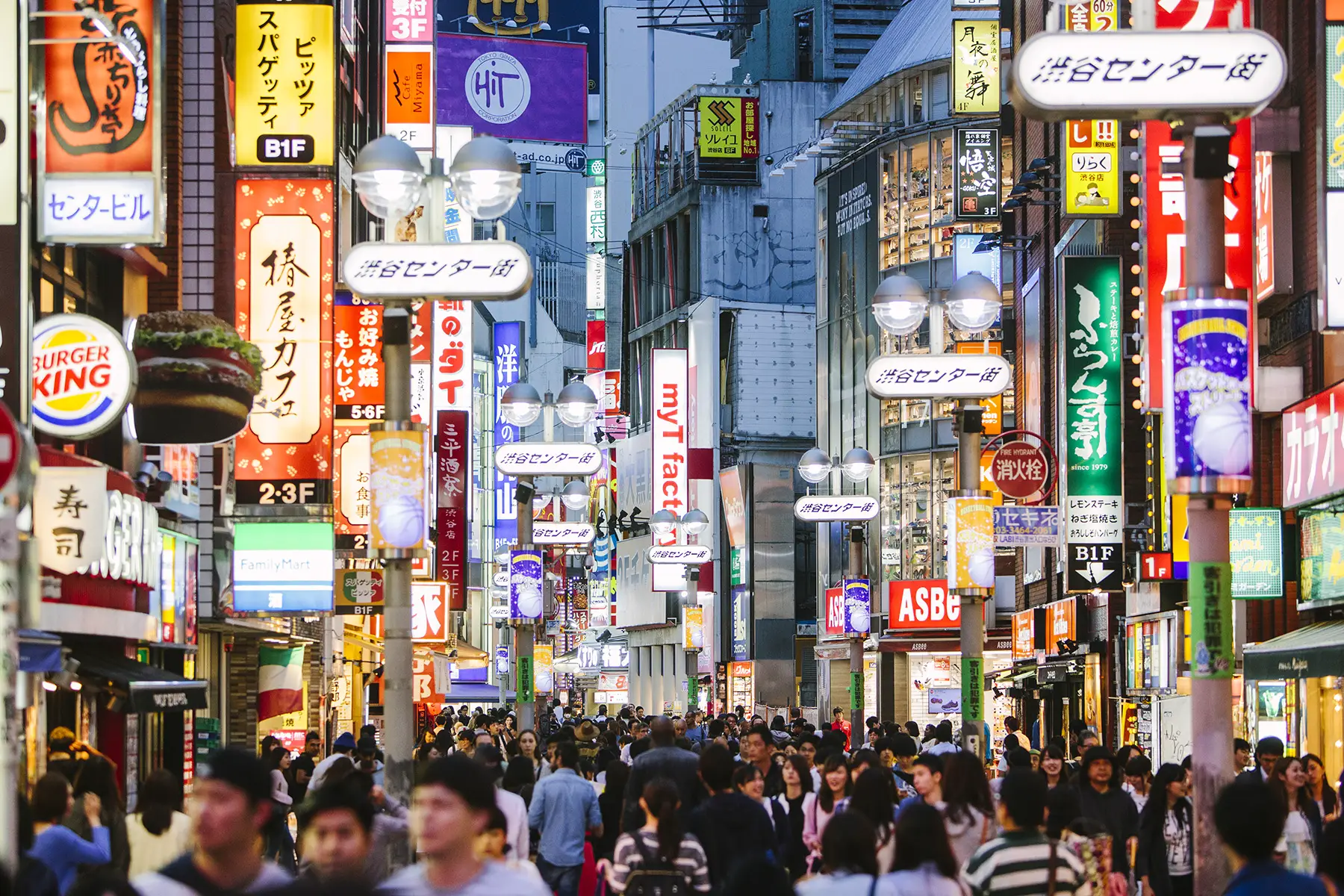
The Ministry of Foreign Affairs of Japan (MOFA – 外務省) and the Japanese Immigration Services Agency (出入国在留管理庁) oversee the immigration and residency requirements.
The Ministry of Health, Labor, and Welfare (MHLW – 厚生労働省) runs a Tokyo Employment Service Center for Foreigners (東京外国人雇用サービスセンター), and the Immigration Bureau (出入国在留管理庁) of the Ministry of Justice (MOJ – 法務省) deals with citizenship requests.
Who needs a visa to go to Japan?
In general, all non-Japanese nationals need a visa if they’re planning to visit or move to Japan. That said, citizens from 70 countries – including Australia, Canada, Singapore, Thailand, the UK, and the US – can travel to (and through) the country for up to 90 days without a visa. If their stay lasts longer, they do need to apply for a visa.
While it is fairly easy to obtain a visa, some countries face additional scrutiny or stricter requirements during the application process due to strained diplomatic relations, economic sanctions, or immigration trends.
For example, Japan currently has sanctions placed on Russia. So while Russian nationals may apply for a visa, the application will likely take longer to be processed and could be denied.
What visas are available for Japan?
Depending on the duration of your stay, you can apply for a short-term stay visa (短期滞在ビザ) or a long-term stay visa (長期滞在ビザ).

The short-stay visa is valid for up to 90 days and applies to tourists, non-Japanese relatives of Japanese citizens, and visits that do not include working activities. Those seeking medical treatment can apply for a medical-stay visa.
If your visit lasts longer than 90 days, you can apply for a long-stay visa. This includes:
- General visas (一般ビザ) (e.g., a study visa)
- Work visas (就労ビザ)
- Highly skilled professional visas (高度専門職ビザ)
- Specified visas (特定ビザ) (e.g., a family visa)
- Other visas
Japan’s visa requirements
All persons traveling to Japan are subject to the Immigration Control and Refugee Recognition Act (ICRRA – 出入国管理及び難民認定法). This law lists basic requirements, such as you cannot:
- Be convicted of a drug-related crime, or a sentence of at least a year in prison (or equivalent)
- Have an infectious disease (e.g., COVID-19)
- Become a burden on the Japanese government or a local public entity
- Be connected to sex work in any way
- Try to overthrow the Constitution of Japan or the government by force or violence
If you’ve obtained a long-stay visa and you’re from a country that has a high caseload of tuberculosis, you must also undergo a TB screening prior to your arrival in Japan.
Although it is not required to take out travel and health insurance, it is highly recommended in case of an emergency.
What are short-term stay visas for Japan?
You’ll need a short-stay visa if you want to go to Japan for fewer than 90 days (unless you are from a visa waiver country). There are several types available, including:
- Tourist or temporary visitor visas (観光/短期滞在ビザ)
- Short-term business visas (短期商用ビザ)
- Medical-stay visas (医療滞在ビザ)
- Multiple-entry visas (数次有効の短期滞在ビザ)
You can also apply for a tourist visa if you intend to take a short course or study program (e.g., a language course).
Tourist or temporary visitor’s visa
The tourist visa is available for a wide range of recreation and leisure purposes. For example, you can visit friends and family, attend a conference, go sightseeing, or even use it for transit purposes. The only thing you cannot do is take on employment.

Tourist visa applications for Japan
To apply, you’ll need to provide:
- A valid passport (パスポート) with an expiration date at least six months after the date you plan to leave Japan
- A completed application form
- A recent passport photo
- Other necessary documents (e.g., medical certificate)
Those traveling in a group must also fill out a list of visa applicants form.
Short-term business visa
If you intend to conduct business in Japan, you can apply for a business visa (or have someone in the country apply on your behalf).
Short-term business visa application for Japan
Documents required for your application include:
- Details of your company or organization
- A Letter of Invitation
- A Letter of Guarantee (for single entry and multiple entries)
- A valid passport with an expiration date at least six months after the date you plan to leave Japan
- A completed application form
- A recent passport photo
- Your travel itinerary
- Other necessary documents (e.g., proof of financial means)
Medical-stay visa
Foreign patients (and accompanying persons) visiting the country for healthcare reasons can apply for a medical-stay visa. This can be for medical treatment at a Japanese hospital, but also a full medical check-up, examination, or recuperation at a hot spring facility.
Japanese medical-stay visa application
To apply, you’ll need to provide:
- A list of guarantors (e.g., medical coordinators or travel agencies), plus references
- A certificate from the medical institution stating the planned medical services
- A valid passport
- A completed application form
- A recent passport photo
- Proof of financial means (e.g., a bank statement)
- Proof of your identity
If you require a multiple-entry visa, you must also share your medical treatment plan from a Japanese doctor.
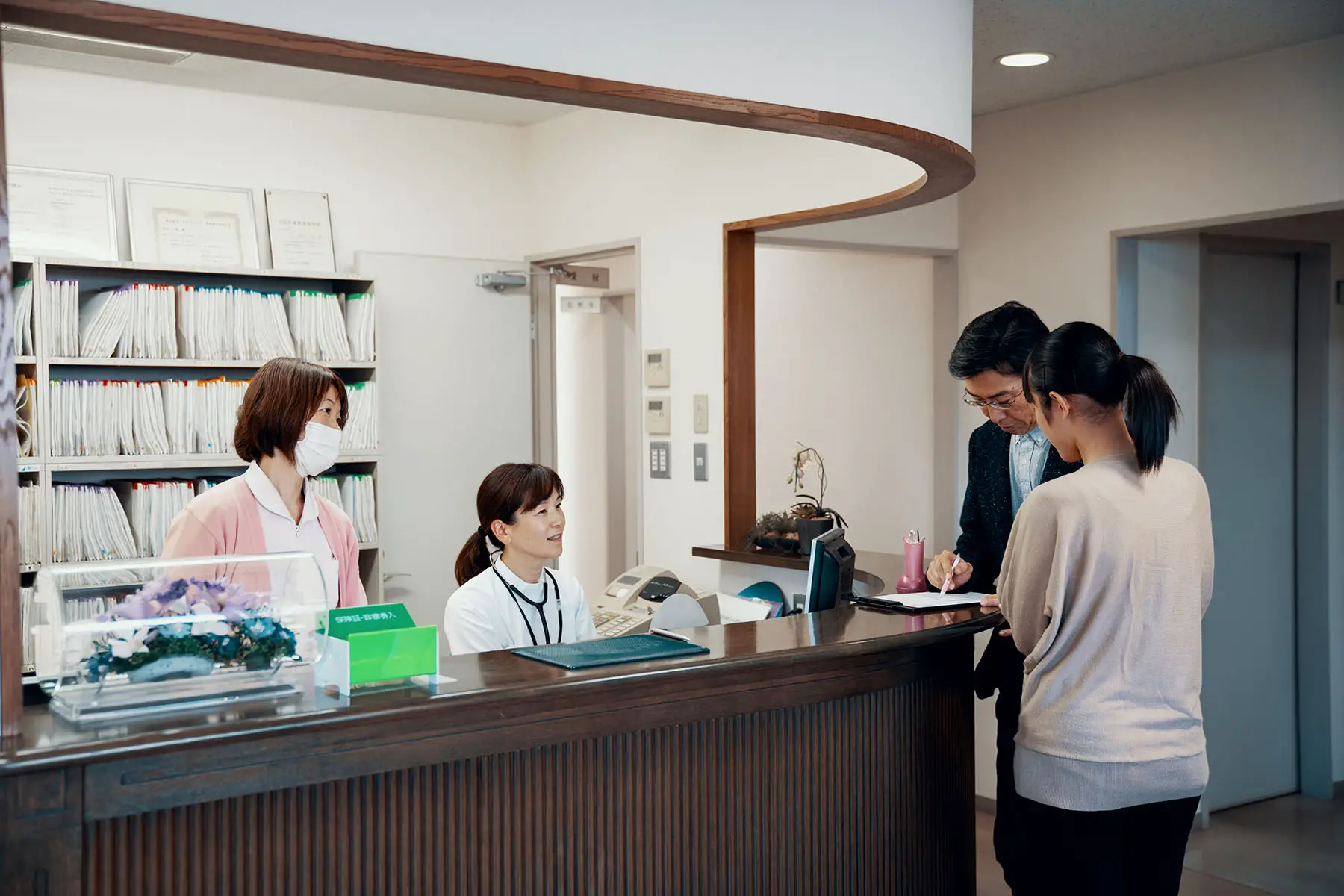
In general, medical-stay visas are valid for a stay of 90 days. However, it can be extended to six months or one year, depending on your clinical condition (among other things). Those requiring a longer stay must be hospitalized and provide a Certificate of Eligibility (COE) (在留資格認定証明書) from the Immigration Services Agency. More on that below.
The visa is valid for up to three years.
Multiple-entry visa
If you’re visiting Japan regularly, you can also apply for a multiple-entry visa. These are still only valid for stays that do not exceed 90 days, however, you can enter the country multiple times over a period of up to five years. The validity of the visa will depend on your nationality.
Requirements for multiple-entry visas to Japan
Although the required documents are much the same as they are for the single-entry short-stay visa, there are some differences in additional documents. You can find more information on the government website, where it’s outlined per country and region.
What are long-term stay (non-immigrant) visas?
Foreigners who intend to stay in Japan for more than 90 days must apply for a long-term stay visa. There are various types of long-stay visas available, including:
- General visas (e.g., a study visa)
- Work visas
- Highly skilled professional visas
- Specified visas (e.g., a family visa)
- Official visas
For the application, you’ll need to have a COE. You can get one from the regional Immigration Services Agency. This certificate states that you comply with the conditions set out in the ICRRA. Usually, someone in Japan applies for this on your behalf, for example:
- An employer
- Your school or university
- A relative or sponsor living in Japan
- A legal representative
- Your spouse, if applying for the family visa
Note that if you apply while your COE application is pending, your visa application will be refused.

You must file a moving-in notice with the municipal office of the city or town you’ll be living within 14 days of your arrival in Japan. You will then receive your residence card by mail.
General visas
Japan’s general visas include permits for:
- Cultural activities (e.g., unpaid internships or courses in Japanese tea ceremonies) – valid for three months up to three years
- Students – valid for three months up to four years
- Trainees (e.g., participants in the technical intern training program) – valid for three months up to one year
- Family members of foreign nationals (i.e., the family visa) – valid for up to five years
Work visas
Foreign nationals coming to Japan specifically to work can apply for a work visa.
This type of visa is divided into many different subcategories, including journalist, researcher, entertainer, engineer, and intra-company transfer.
Highly skilled professional visas
To attract foreign talent, Japan has created the highly-skilled professional visa (高度専門職ビザ). This is also known as the J-SKIP program. It’s based on a points system and looks at academic qualifications, career history, Japanese work certificates, and language proficiency.
If you accumulate enough points within a year, you will get access to fast-tracked residency papers.
Specified visas
Japan has a number of specified visas, that, although they have the same category, cannot easily be summarized.
These include:
- Family and spouse visa – this visa is available for foreign spouses and children of Japanese citizens and foreign permanent residents. It is valid for six months up to five years. For help specifically with spouse visas, try MyVisaJapan.
- Specified long-term resident visa – this visa is valid for up to five years and applies to foreign nationals who can prove family ties with Japan (e.g., Indochinese refugee settlers)
- If you are a third-generation Japanese-Filipino or Japanese-Brazilian, you’re also required to submit clear proof of Japanese ancestry (e.g., a copy of your family register), as well as a certificate that proves you have a clean criminal record
- Designated activities – the specified designated activities visa has three subcategories, which, confusingly, are all called designated activities:
- Designated activities – available for employed persons (i.e., personal help of diplomats or people visiting Japan for a working holiday)
- Designated activities (J-FIND) – also known as the Future Creation Individual Visa. This visa is available for top graduates looking for work and is valid for up to one year.
- Designated activities – available for long-term visitors who have come to Japan for sightseeing and recreation purposes
The J-FIND visa comes with a lot of extra requirements, such as:
- In the last five years, the applicant must have earned a degree from a university listed in the top 100 universities in the world
- The applicant must have at least ¥200,000 in savings
Make sure to check the government website before applying for this type of visa.
Other visas
Other visas in Japan include the:
- Startup visa – available for entrepreneurs supported by municipalities in Japan. This visa is valid for six months
- Diplomatic visa – this visa is valid for the duration of the diplomatic mission
- Official visa – available for staff related to a diplomatic mission (e.g., service staff)
Holders of the diplomatic visa and official visa are not required to provide a COE. Instead, they must submit a document or verbal note from the foreign government or international organization, that certifies their identity and the purpose of their visit.
It’s important to note that not all diplomats have to have a visa to come to Japan.
Requirements for long-stay visas in Japan
Required documents for each long-stay visa application generally include:
- A valid passport
- A completed visa application form (citizens from Russia, CIS countries, and Georgia must submit two application forms)
- A recent passport photo (citizens from Russia, CIS countries, and Georgia must submit two photos)
- Either the original or a copy of your COE
- If you’re from China, a copy of your family register
- If you can’t access your family register, you can also provide a temporary residence permit or residence certificate
- Other necessary documents
You may also be asked to do an interview or submit additional information.
Visa application process and costs
You can apply for a visa through the Japanese embassy (日本大使館) or consulate (総領事館) in your home country. That means that if you are traveling through Asia, you cannot apply from the country you are currently in.

That said, some nationalities can also submit an application online:
- Brazil
- Cambodia
- Canada
- Mongolia
- Saudi Arabia
- Singapore
- South Africa
- Taiwan
- The UAE
- The UK
- The US
Visa applications usually take five working days to process. However, in some circumstances, it can take up to 30 days, so it’s recommended to apply well in advance.
The exact fee can vary depending on which country you’re applying from. However, the general cost of a Japanese visa is ¥700 for a transit visa and ¥3,000 for a single-entry visa. Multiple-entry visas cost ¥6,000, depending on your nationality and purpose of stay.
Residence, visa extensions, and citizenship
Residence cards in Japan
Expats with a long-stay visa must submit a moving-in notification with their new municipality within 14 days of their arrival. They will then receive their residence card at their new address by mail.
This card serves as proof that the person is legally residing in Japan and contains personal information, such as:
- Name
- Date of birth
- Gender
- Nationality
- Address
- Status of residence
- Period of stay
- Whether or not you’re allowed to work
If there is any change in the information (e.g., you’re moving addresses), you must notify the authorities. You will then receive a new and updated residence card. Keep in mind that if you do not inform the authorities of any change, it will be considered fraud and you can end up being deported.

The validity of residence cards is:
- Until your 16th birthday if you are a minor under 16 years of age
- For seven years if you are a (young) adult over the age of 16
When the card is expired, or you leave Japan, you must return the card to the Immigration Services Agency.
Visa extensions in Japan
The long-term stay visa allows you to stay in Japan until the end date on your residence card. You can apply for a visa extension at the local immigration office within three months of the expiry date. During the wait time, you’ll automatically be given a three-month extension on your current visa.
You can also apply for one-off extensions via a visa application extension form, in the event your work contract or study period runs past your visa expiry date.
Visa extensions cost ¥4,000.
Permanent residency in Japan
After 10 years of legally living in Japan, you can apply for permanent residency. This means that you will have some – though not all – of the same rights as fully-fledged Japanese citizens.

Benefits of a permanent resident status include being able to:
- Live in Japan indefinitely
- Work for almost any employer and in any kind of (legal) job
- Take out a loan from a Japanese bank
- Access the healthcare, education, and pension systems
Citizenship
Getting Japanese citizenship is notoriously difficult. Most foreign nationals take the route of nationalization.
To apply for citizenship, you must have lived in Japan for at least five years and be over the age of 20. More importantly, you must be able to speak the language fluently. There is no citizenship test, but, instead, you’ll have a series of interviews in Japanese.
Asylum seekers and refugees in Japan
Japan’s record of accepting asylum seekers and refugees is poor. Despite receiving thousands of refugee claims each year, it only approves a couple hundred.
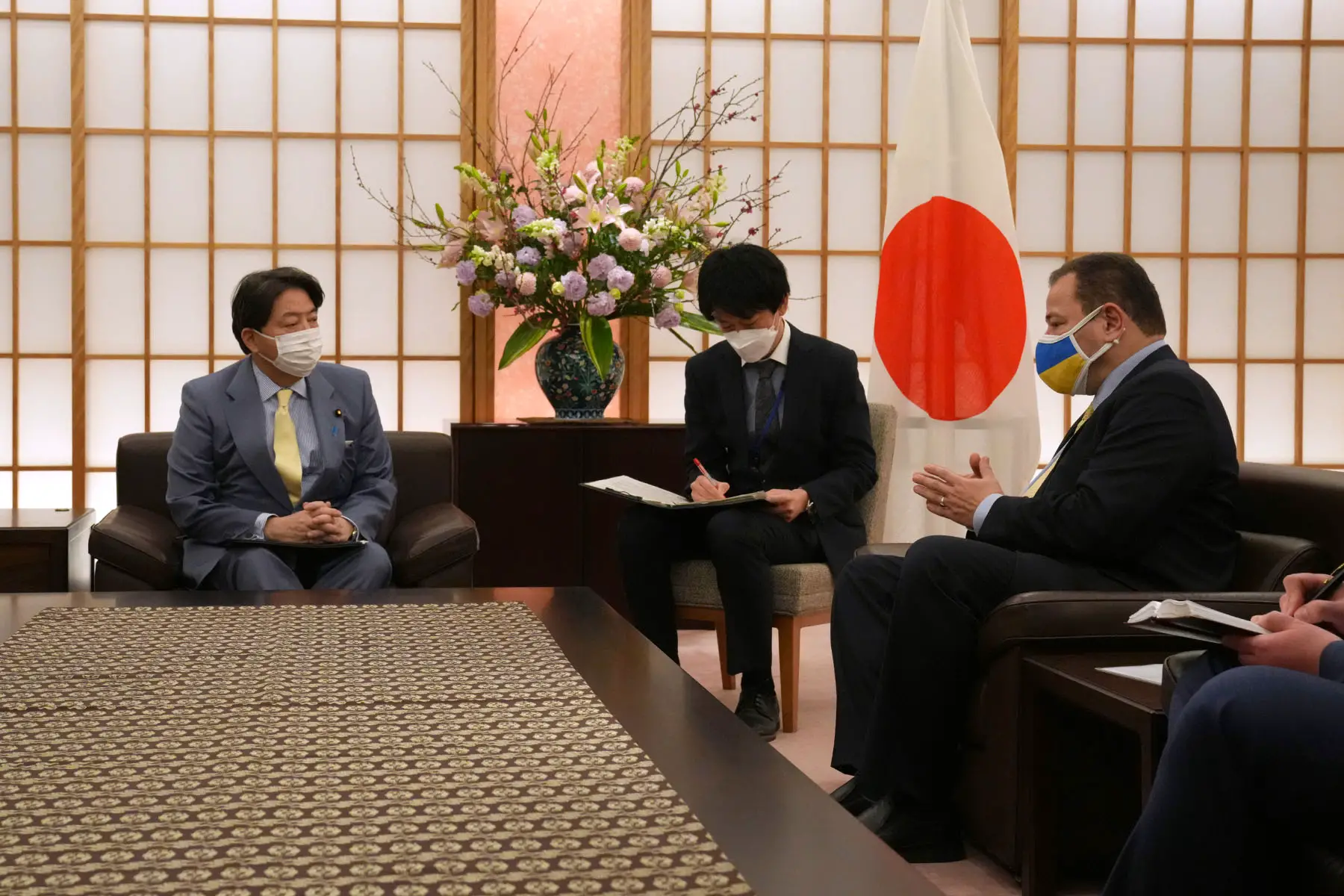
That said, the war in Ukraine caused a shift; since then, Japan has granted temporary residence and full working rights to more than 2,000 displaced Ukrainians.
The country has signed the 1951 Convention and the 1967 Protocol relating to the Status of Refugees, meaning asylum is attainable when the applicant has a well-founded fear for their safety if they were to return to their home country. Some successful recent applicants include persecuted Rohingya Muslims of Myanmar.
Asylum claims must be made within six months of your arrival, or within six months of becoming aware of your need to apply for refugee status.
In order to apply for asylum, you must fill out an application form and conduct several interviews with an immigration officer. The decision period can take anywhere between several months and several years.
Once refugee status is granted, you are entitled to the same privileges as legal residents, including the right to work, social security, and protection from the state.
The Japan Association of Refugees (JAR – 難民支援協会) is a non-profit organization that helps with the legal and social support of asylum-seekers, promotes institutional reform, and conducts public relations (PR) campaigns.
Arriving in Japan checklist
Once you’ve arrived in Japan and notified the authorities of your presence, you should apply for an ID number (My Number) (個人番号/マイナンバー). You’ll need it to access social security or pay taxes.

Other things you may want to do during your first weeks in Japan are:
- Taking out health insurance
- Opening a Japanese bank account
- Sorting out your utilities and telecommunications
- Getting a Japanese SIM card and IC card (electronic travel pass) for travel with public transport
To make your life easier, it is also recommended that you brush up on your Japanese language skills. You can do so by enrolling in a local language course.
Where to make appeals and complaints?
Depending on your issue, you could file a complaint through MHLW, MOFA, MOJ, or the Immigration Services Agency.

If you’re outside of Japan, embassies and consulates can provide some assistance. But if you’re in the country, you’ll likely be required to go to the nearest immigration office. Each will have its own complaints procedure and may require written appeals, documentary evidence, and the like. This means it’s difficult to assess how long an appeal is likely to take.
Immigration lawyers and legal representatives who understand Japanese law are also an option. If you’re not proficient in the Japanese language and can afford the costs, this is highly recommended for dealing with major visa- and immigration-related issues.
Useful resources
- MOFA – official government website with information about visas and immigration, as well as procedures
- Immigration Services Agency – official government website with information for foreigners looking to move to Japan
- Foreign Resident Support Center (FRESC) – official government resource for foreign expats in Japan



Did you find this guide helpful?