
'%20id='ico-down'%20stroke='%23000000'%20stroke-width='1.5'%3e%3cg%20transform='translate(1092.250000,%20254.750000)'%3e%3cpolyline%20id='Path-2-Copy-4'%20transform='translate(5.500000,%202.750000)%20scale(1,%20-1)%20rotate(-180.000000)%20translate(-5.500000,%20-2.750000)%20'%20points='0%200%205.5%205.5%2011%200'%3e%3c/polyline%3e%3c/g%3e%3c/g%3e%3c/g%3e%3c/svg%3e)


Healthcare
Healthcare Basics
Emergency numbers in Italy
Make a note of these must-have emergency numbers in Italy which will help you in a variety of situations while living in the country.
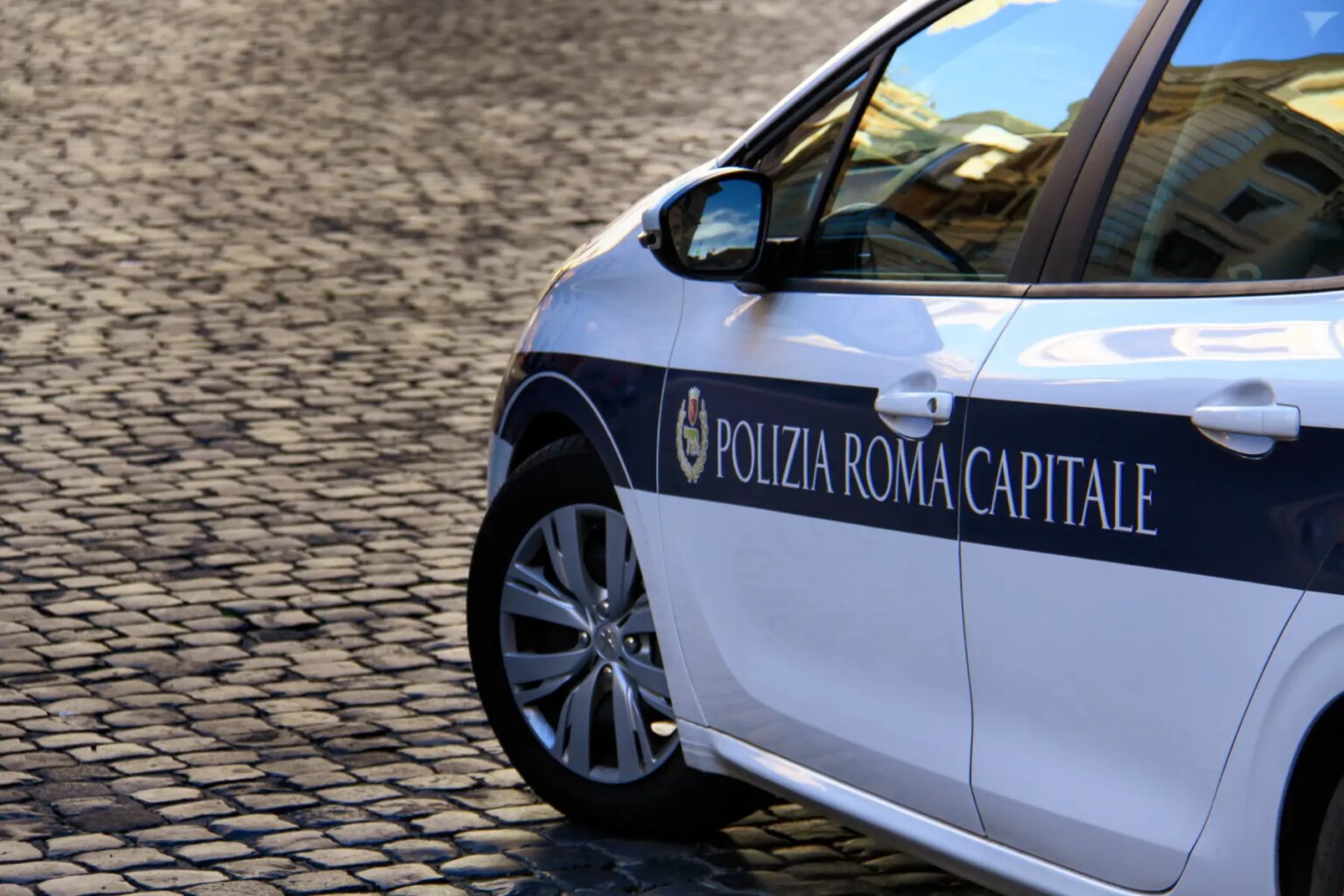
If you have a life-threatening crisis, you can call the Europe-wide emergency phone number 112. If your situation is a little less serious, there are a wide range of other numbers and useful helplines that offer support.
Here’s who to get you out of a sticky situation in Italy:
Cigna Global
Enjoy peace of mind while living in Italy with Cigna Global’s long-term international health insurance plans (12+ months). Get tailored coverage, direct billing with many providers, complex case management, and global care on demand, with access to a network of 1.5+ million doctors, specialists, and therapists.

Emergency services in Italy
The main emergency services in Italy are the police (Carabinieri), the fire brigade (Vigili del Fuoco), and the ambulance (Ambulanza).
The easiest way to get help in case of an emergency, such as an accident, a crime, or a sudden serious health concern, is to call the European emergency number on 112 from any mobile phone, landline, or public phone. The operator will then divert you to the right service. However, if you want to call a specific service directly, you can use the following emergency numbers in Italy:
- Ambulance: 118
- Fire brigade: 115
- Police: 113
Typically, you will not have to wait longer than eight minutes for someone to answer your call when phoning the emergency services in Italy’s larger cities. However, the response time may be slightly longer in more rural areas, which is something to keep in mind.
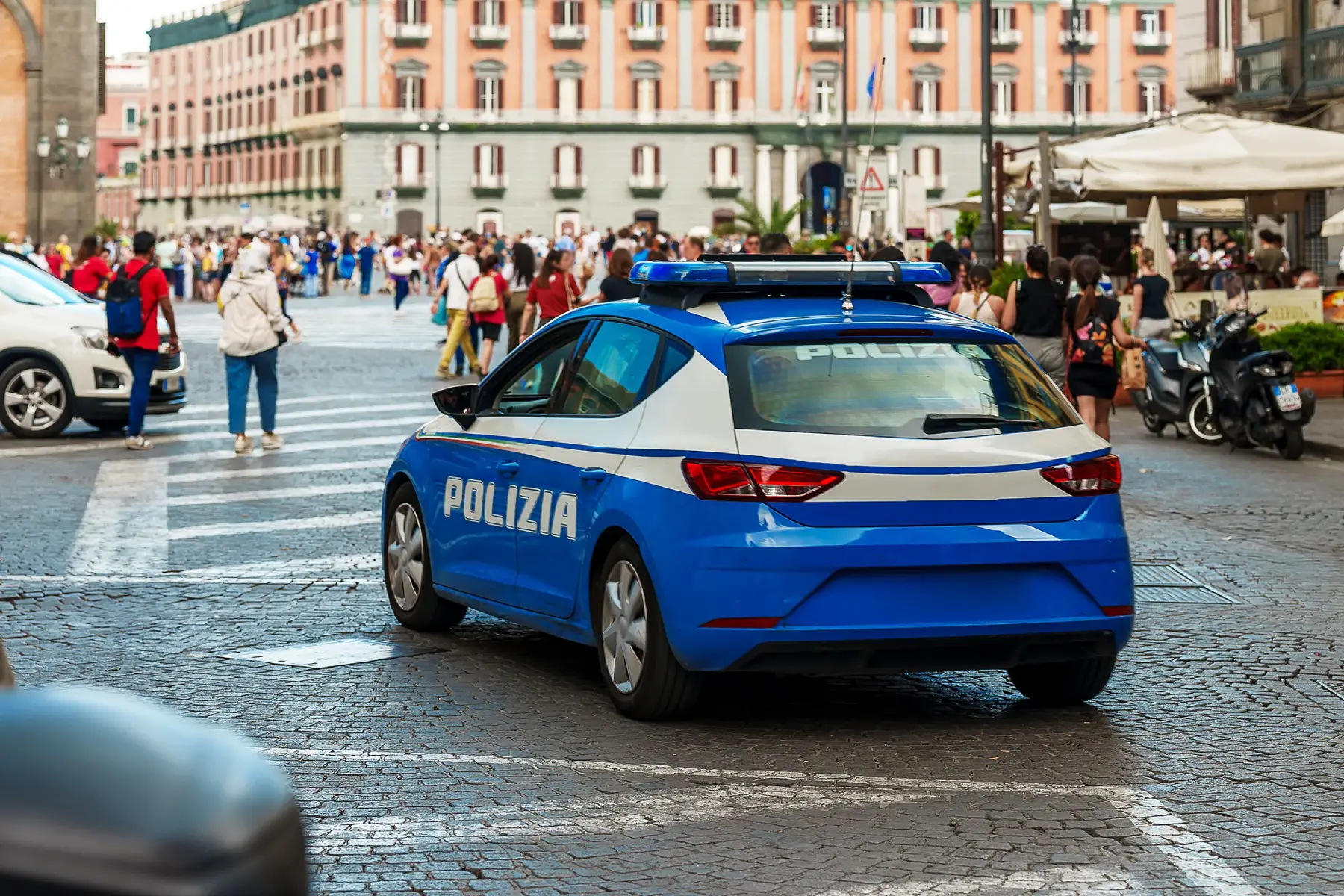
Statistically speaking, Liguria has the shortest wait time for an ambulance – at 13 minutes – between making the call and having the vehicle arrive. And once you have arrived at the hospital, you will be in good hands, as Italy has one of the best healthcare systems in the world.
Emergency services in Italy use the same types of vehicles as many other countries, including ambulances, fire trucks, and police cars. Ambulances are usually painted white, while fire trucks are red.
If you need medical help but are not in an emergency situation, you can contact your general doctor, dentist, or children’s healthcare provider, depending on the nature of the problem.
Fire services in Italy
In Italy, the fire department is called the Vigili del Fuoco and it has 18 regional offices, 103 provincial commands, and roughly 800 stations located throughout the country. Besides dealing with fires, the Vigili del Fuoco also carries out rescues (both human and animal) and safety inspections and provides technical assistance and advice on fire safety.
You can contact the fire department via the international emergency number 112 or the direct line 115.
Police in Italy
The Italian police consists of five national and two local police forces. Together, these organizations employ over 300,000 officers. You can contact the police by calling the European emergency number 112 or contacting them directly at 113.
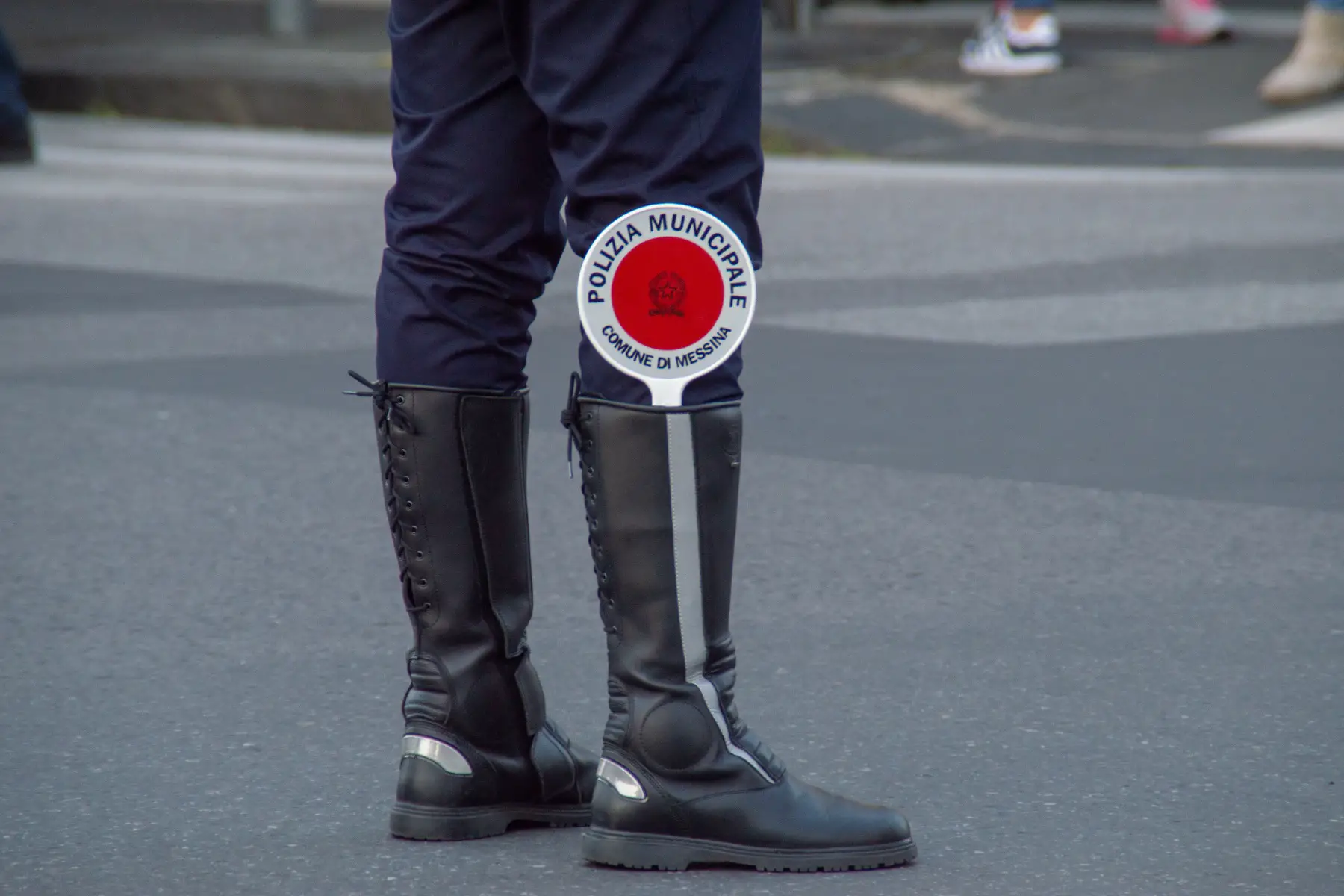
You will most likely be dealing with the following local police forces.
- The Provincial Police (Polizia Provinciale): Deals with minor local issues such as traffic regulations or hunting and fishing laws. Notably, not every province has a provincial police force.
- The Municipal Police (Polizia Municipale): Deals with traffic control and investigates petty crimes such as theft or disputes, in their respective local area.
The national forces are the State Police (Polizia di Stato), which is responsible for maintaining public order and security, the Finance Police (Guardia di Finanza), which looks after all crimes involving money, and the Military Police (Arma dei Carabinieri), which deals – as the name suggests – with military issues as well as emergency situations. Meanwhile, the Prison Police (Polizia Penitenziaria) operates the Italian jails and the Forestry Police (Corpo Forestale dello Stato) protects the environment.
Healthcare and accidents
In case of an accident or medical emergency, you should call the emergency number 112 or the Italian number 118. Italian hospitals also have emergency rooms called Pronto Soccorso which you can go to directly for treatment. Notably, life-saving treatment is free of charge in Italy.
On the other hand, your local general practitioner (medico di base) will be able to deal with less urgent matters and refer you to a specialist, if necessary. If you are in need of dental treatment, however, it is important to be aware that this is normally not included in health insurance policies in Italy. Therefore, you will need to take out additional coverage with a health insurance provider.
Fortunately, there are several global companies providing expat-friendly insurance plans in Italy, including:
Here are some other healthcare emergency numbers in Italy to make a note of:
- English-speaking doctors in Italy: list on the UK government website
- International Health Center Milan: call 02 7634 0720 or contact them online
- International Hospital Rome (a private clinic with English-speaking staff): call 06 5889 6900 or schedule an appointment online
- Italian coast guard: 1530
- Poison control center: 06 490663
Mental health services
Mental health is a serious concern in Italy, especially in light of the recent COVID-19 pandemic, which had a particularly heavy impact on the country. Indeed, one online survey issued approximately four weeks into the extreme lockdown measures showed notably increased rates of post-traumatic stress syndrome, symptoms of depression, insomnia, anxiety, and perceived stress.

If you experience a mental health emergency in Italy, you can call 118 for an ambulance or 113 for the police. In less urgent situations, however, your local family doctor (medico di famiglia) can refer you to a local mental health center (centro di salute mentale, or CSM). These are managed by local health authorities and their numbers and services vary from region to region.

The following emergency numbers might also come in handy:
- Italian suicide hotline: 800 86 00 22
- Mental health hotline (Telefono Amico Italia): 02 2327 2327 or WhatsApp: +39 324 011 7252
- Samaritans Onlus (Italian and English): 800 86 00 22 or 06 77208977 (mobile) and online
- Suicide prevention hotline (for emergencies and those who have lost loved ones to suicide): 06 337756575
You can also find a comprehensive list of mental healthcare services and hotlines in this article.
Drug and alcohol services
Sadly, statistics show that the number of individuals participating in alcohol abuse treatment programs in rehabilitation centers in Italy increased from 45,000 in 2010 to 64,500 in 2020. It seems that the younger generation is suffering the most, with the highest number of emergency department visits with an alcohol-related diagnosis being recorded among men and women aged 18 to 24.
In terms of drug use, Italy also ranks as the second-largest consumer of cocaine in the world in The Global Drug Survey 2019. According to data, the lifetime prevalence of cannabis use was also around 32.7% in 2017, and particularly widespread among students across the country. Needless to say, despite joint efforts from Italy and the United Nations Office on Drugs and Crime (UNODC) to tackle the problem, it remains an issue.

Fortunately, there are several services that provide guidance and support for those struggling with drug and alcohol issues. There are several hotlines you can call, as well as internationally known support groups such as Alcoholics Anonymous (AA). If you are in a life-threatening emergency situation, you should call an ambulance or head to a hospital.
For other services, you can contact one of the services below:
- Alcoholics Anonymous (AA): find meetings (in English)
- Alcohol helpline: 800 632000
- Drug helpline: 800 186070
- Poison control center: 06 490663
- Smoking helpline: 800 554088
Children, family, and youth services in Italy
There are designated emergency numbers that you can call to access child, family, and youth services in Italy, and several of them are available in English.
Here are some of the main emergency numbers in Italy:
- Domestic violence helpline: 800 22 0000
- Hotline for children and teenagers (Telefono Azzuro): 19696 or online (Italian)
- Support for women / Domestic violence (Telefono Roso): 15 22 or chat online (including in English)
Crime-related services in Italy
If you become a victim of a crime in Italy and need urgent help, you should call the police on 113 or the European emergency number 112. Below are some other important emergency numbers:
- Associazione Libra Onlus: crime victim support service. Call 0376 49165 or online
- Rape crisis network (Artemisia Association): 055 602311 (for women) or 055 601375 (for children) and online
- Report a missing child: 116 000 (EU-wide number)
Utilities and telecommunications services
If you are experiencing any utility emergencies in or around your home, you can call the following numbers:
- Forest fire hotline: 1515
- Gas emergencies (Italgas): 800 900 999
- Phone networks & internet: call your local provider
Road and traffic emergency services
In case of a road accident or other emergency, you can call 112 or the medical service, fire brigade, or police on the following numbers:
- Ambulance: 118
- Fire brigade: 115
- Police: 113

Some other services to be aware of include:
- Car breakdown assistance: 116
- Traffic authorities: visit the Autorità di regolazione dei trasporti
- Traffic reports (Pronto Anas): call 800-841-148 to find out about current traffic issues and report emergencies or follow them on Twitter
- Towing service: check available services
LGBTQ+ services in Italy
Unfortunately, despite public demand for a hate crime bill that would criminalize violence against LGBT people, Italy’s constitution offers limited specific protections for the community and lags behind many other democratic nations when it comes to LGBT+ rights.
And while the country has lower levels of violent attacks against its LGBT+ community than overall EU average figures, they do still occur. In fact, according to the most recent EU statistics (2020), 32% have experienced harassment for being LGBT+ in the last 12 months, compared to the 38% EU average. Moreover, 41% of physical attacks in Italy took place in an open public space.

However, fortunately, there are several LGBTQ+ organizations in Italy that work to promote and protect the right to equality for everyone regardless of their sexual orientation or gender identity. These include:
- Arcigay: The association operates in Italy with 52 offices, and provides information and orientation to LGBT people on the documents needed to stay in Italy, on the right to asylum, and on the protection of fundamental rights such as health assistance.
- ArciLesbica: A lesbian association with groups in several Italian towns. It aims to promote lesbian and feminist culture and visibility, fight sexism and racism, and welcome migrant lesbians. In some towns, it offers contacts that are useful to migrant lesbians (namely legal aid and counselors as well as mentors willing to help introduce newly arrived lesbians in the community).
- MigraBo LGBTQI: Aims to help immigrants of the LGBTQI community from any country to integrate easier into Italy and the LGBTQI community. It provides support and assistance during the initial stage of the asylum procedure for individuals seeking international protection in Italy due to persecution based on sexual orientation and gender identity. All services are provided free of charge and anonymity is guaranteed.
You can find more organizations that support the LGBTQI community on the AMERA International website.
Homelessness services in Italy
According to estimations, over 50,000 people are currently homeless in Italy, and this number is growing. These are mostly immigrants from different nationalities, living on the streets and squares of the Italian capital Rome and the second-largest city Milan. However, the Italian government is investing in providing shelter and temporary housing for homeless individuals.
There are also several organizations trying to tackle the ongoing crisis, including:
- Baobab Experience: An NGO supporting the homeless community in Rome
- Caritas Italy: The Catholic organization provides food and sanitation to homeless people in Italy
- Feantsa: European-wide homeless charity
- fio.PSD: An organization supporting and activating the homeless all over Italy
Animal services in Italy
With around 40.2% of households having at least one animal, Italy is one of the most pet-friendly countries in the world. It ranks first for being the most dog-friendly, based on animal protection laws, the number of vets, pet-friendly hotels and restaurants, and the like.
If your pet escapes or you lose it, you should report it immediately to the police (i.e., carabinieri or polizia municipale). You can also search for the closest shelter (canile) to see if your animal is there.
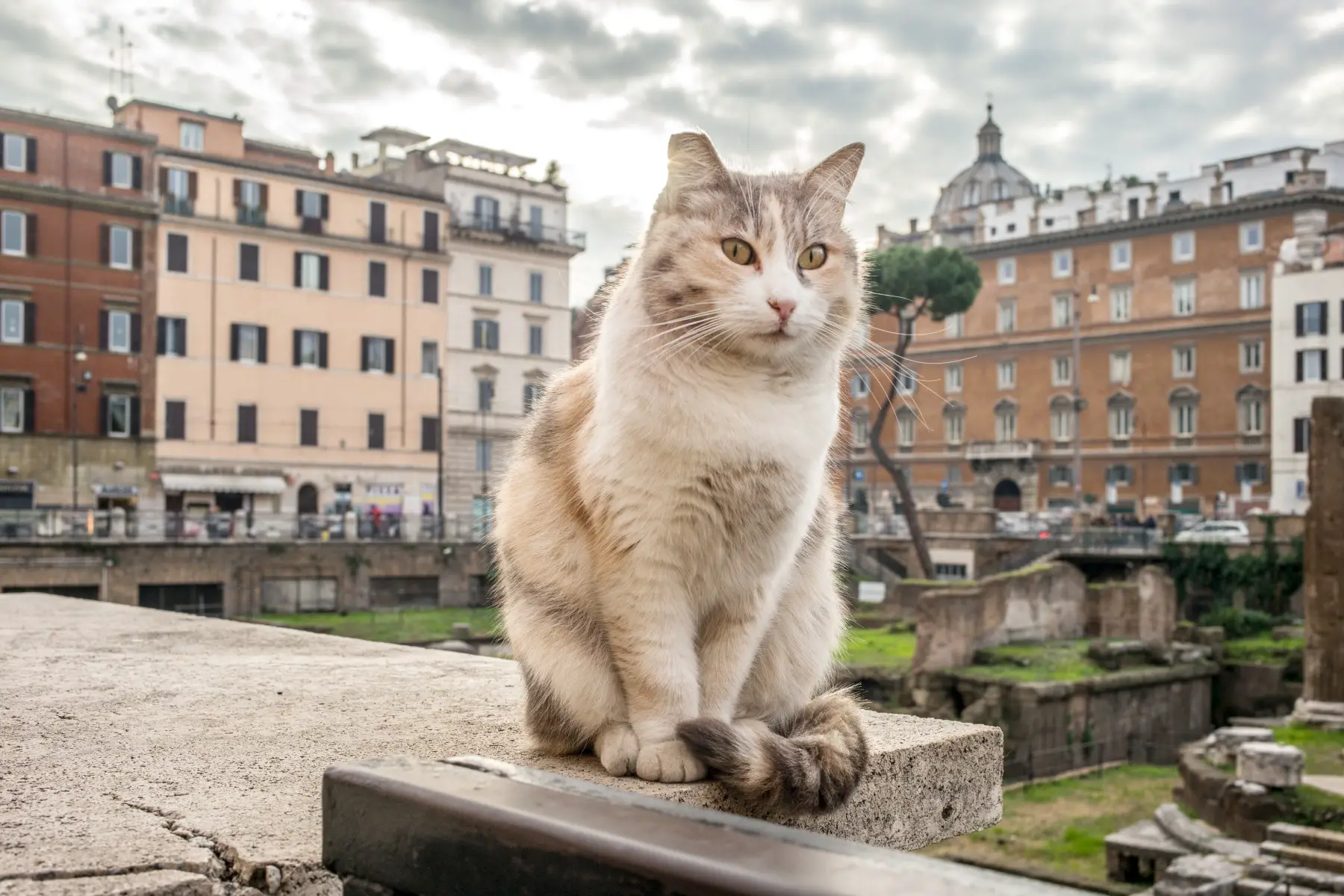
If you find a lost pet, it is best to bring them to your nearest vet. They can read the microchip and find the owner. You can also contact the local Ufficio Tutela Animali (animal welfare office) to report a lost or found pet.
If you want to report animal abuse or neglect, the International Organization for Animal Protection (OIPA Italia) keeps a national directory of numbers and reporting forms. In instances where the animal’s life may be in danger, you can also call the state police on 113 to receive immediate assistance.

Here are some other resources that might be able to help you:
- ENPA: A non-profit organization that provides advice to pet owners and manages rescue centers all over Italy
- Salute.gov – The government website that provides information about traveling to Italy with pets
- veteribvy: Allows you to search for an emergency vet in your area
Embassies and services for foreign nationals
Given its rich culture, warm climate, and many stunning destinations, it’s hardly surprising that Italy attracts so many internationals. In fact, there were just over five million foreign citizens living in the country as of 2021, accounting for about 8.7% of the entire population.
If you are thinking of moving to the country or already living there and in need of assistance from your country’s embassy, you can find a complete list of embassies in Italy on the EmbassyPages website. You can also find out everything you need to know about Italian permits and immigration in this article.
Lost or stolen property
If you have lost a valuable item or it was stolen from you, such as your ID, wallet, or phone, you should contact the local police. However, if you lose your passport or it was stolen from you, you should call your embassy as soon as possible.
If you have lost your bank card, or it was stolen, you should contact your bank/card provider and make sure the cards get immediately canceled, then report the loss/theft to the local police.
In the event of losing your phone, you should call your provider and get the sim card canceled. If you have an iPhone, you can try to locate it using the Find my iPhone app.
European-wide emergency numbers
If you have an emergency anywhere in Europe, you can call 112 to access emergency services. The number is free of charge and can be made from any mobile phone, landline, or payphone.
What to do in an emergency in Italy
When calling an emergency number in Italy, you should follow these steps:
- State your name, telephone number, your location, situation, how many people need help, and whether there are any weapons or dangerous substances involved
- In case of a medical emergency, give as much information as possible, especially if minors are involved. In case of intoxication, make sure to state what exactly was taken and when.
- If you or the person affected have any existing medical problems or regularly take prescription drugs, make sure to mention them and google the Italian brand name
- If you are not familiar with the Italian language or lack certain vocabulary, such as medical terms, try to find a native speaker that can act as a translator
- Never hang up until you are told to do so
If calling an emergency number in Italy from abroad
Italy’s country code is +39. However, in case of emergencies, it is easier and quicker to just call the European emergency number 112 and ask them to forward you to the appropriate Italian service.
Other useful phone numbers
- Consumer protection office: +39 06 8417 707
- Italian news in English: The Local
- Road and traffic information: call 800-841-148 or go to the ANAS website
- Trains in Italy: find timetables, prices, and routes on the Trenitalia website
- Weather report (in Italian): check Servizio Meteorologico
Emergency terms and phrases in Italy
Here are some essential phrases to learn should you find yourself in an emergency situation in Italy and need to communicate with the relevant service:
| English | Italian |
| Help! | Aiuto! |
| Help me | Aiutami |
| I can’t breathe | Non riesco a respirare |
| (Severely) allergic | (Gravemente) allergico |
| EpiPen | EpiPen |
| Accident | Incidente |
| Fire | Fuoco |
| Murder | Assassinio |
| Emergency | Emergenza |
| Ambulance | Ambulanza |
| Doctor | Dottore / Medico Dottoressa / Medica |
| Hospital | Ospedale |
| Police | Carabiniere |
| Extremely ill | Estremamente malato |
| Call 911/999 | Chiama il uno uno due |
| I need a doctor | Ho bisogno di un dottore / dottoressa |
| I need an ambulance | Ho bisogno di un’ambulanza |
| I need the police | Ho bisogno dei carabiniere |
| I want a lawyer | Voglio un avvocato (donna) |
| I’m innocent | Sono innocente |
| I didn’t do it | Non l’ho fatto |
Useful resources
- GOV.UK – Provides information for British citizens moving to or living in Italy, including guidance on residency, healthcare, and passports
- Amnesty International – Provides an overview of human rights in Italy
- The Local – An overview of who to call in what situation along with useful phrases for each one



Did you find this guide helpful?