
'%20id='ico-down'%20stroke='%23000000'%20stroke-width='1.5'%3e%3cg%20transform='translate(1092.250000,%20254.750000)'%3e%3cpolyline%20id='Path-2-Copy-4'%20transform='translate(5.500000,%202.750000)%20scale(1,%20-1)%20rotate(-180.000000)%20translate(-5.500000,%20-2.750000)%20'%20points='0%200%205.5%205.5%2011%200'%3e%3c/polyline%3e%3c/g%3e%3c/g%3e%3c/g%3e%3c/svg%3e)


Living
Government & Law
Social security in Germany
Discover how social security in Germany works, including advice on social security benefits, contributions, and how to register for it.


If you live and work in Germany, you will need to contribute towards social security in return for access to certain benefits from the government, including public healthcare, pensions, and unemployment insurance. However, the system operates differently depending on whether you work for a company or are self-employed.
To help you understand more about how German social security works, this article outlines the following information:
Wise
Whether you're paying social security contributions or receiving benefits, Wise makes it easy to handle your finances across borders with low fees and the mid-market exchange rates.

Social security in Germany
Like many other European countries, social security in Germany is an insurance-based system that is funded through contributions made by both employers and employees. In general, around 20% of an employee’s salary is automatically paid into different insurance funds that allow them to access a range of benefits, as outlined below. The employer usually matches this.
| Insurance type | Coverage |
| Unemployment insurance (Arbeitslosenversicherung) | Entitles you to unemployment benefit payments if you end up out of work |
| Health insurance (Krankenversicherung) | Covers public healthcare costs and also entitles you to maternity benefits and sick pay |
| Pension insurance (Rentenversicherung) | Contributes towards your state pension |
| Long-term nursing care insurance (Pflegeversicherung) | Covers costs associated with long-term care |
| Accident insurance (Unfallversicherung) | Paid entirely by the employer to cover costs of work-related accidents and injuries |
The Federal Office for Social Security (Bundesamt für Soziale Sicherung – BAS) is in charge of the state social security system in Germany. However, residents can choose to pay into private schemes to supplement benefits or, in some cases, as an alternative to state social security.
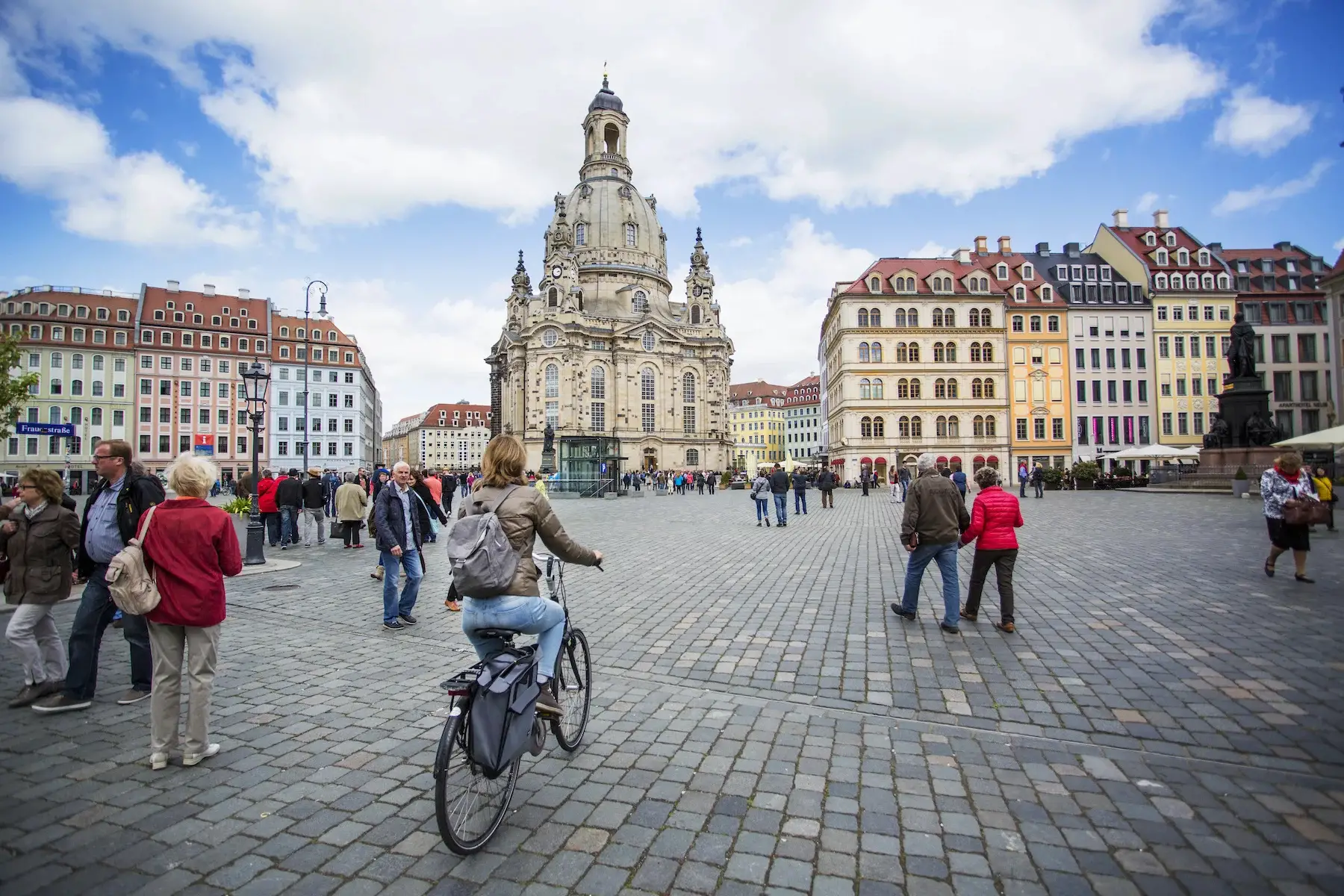
If you register for social security in Germany, you will receive a social security number (Sozialversicherungsnummer) and an ID document (Sozialverischerungsausweis) which proves that you are eligible for benefits.
Who is eligible for social security in Germany?
All employees who work in Germany and make social security contributions are eligible to receive benefits. Notably, internationals from certain countries may also be able to make claims in Germany based on contributions from their home nation.
What are the options if you are not eligible for social security?
If you don’t meet the contribution minimum, then you might not qualify for German social security benefits. For instance, this could be the case if you are unable to work due to health or immigration circumstances.
However, you may receive certain German social benefits if you don’t work and need financial support. You can read more about this below. If you moved to Germany and are not working, you can also explore alternative insurance options for health, unemployment, and social security. You can find out more about this below.
Who has to register for social security?
All employees in Germany have to register for social security. Employers usually take care of this and register all workers with relevant funds when they first start at the company. Workers can then choose to switch providers or supplement their insurance with private coverage in some areas.
Fortunately, there are a number of private health insurance providers operating in Germany, including:
- Allianz Care
- Cigna Global
- Embea – additional coverage for critical illnesses
You can also compare the best private health insurance providers in Germany and get free quotes on our own health insurance directory.

Self-employed workers in Germany also have to register for certain elements of social security, but the processes are different. You can read more about this further down the article.
Receiving social security in Germany as an international
EU/EFTA nationals
European Union (EU) and European Free Trade Association (EFTA) nationals can access social security benefits in Germany. In many cases, they can also transfer social security contributions from their own country to count towards eligibility for benefits in Germany. Therefore, if you move to Germany and have lived or worked in another EU/EFTA nation, you can explore this further with the social security authorities in your home country. You can also find additional information on the European Commission website.
Non-EU/EFTA nationals
Non-EU/EFTA nationals who work in Germany have to make social security contributions and can access benefits once they have made sufficient payments. However, certain exemptions exist. For example, intra-company workers who are based in Germany and those on diplomatic service usually don’t have to make payments.
Notably, several countries have social security agreements in place with Germany which means that citizens can access some benefits based on contributions made in their own nation. Countries that currently have arrangements with Germany include:
- Albania
- Australia
- Brazil
- Bosnia and Herzegovina
- Canada
- Chile
- China
- India
- Israel
- Japan
- Kosovo
- Moldova
- Montenegro
- Morocco
- North Macedonia
- Phillippines
- Serbia
- South Korea
- Tunisia
- Türkiye
- United States
- Uruguay
It is important to note that since Brexit, UK nationals moving to Germany cannot automatically transfer contributions to count towards their social security entitlements. However, the UK now has two agreements in place with EU member states that allow for continued social security cooperation.
The EU–UK Withdrawal Agreement guarantees that UK nationals already living in Germany before 1 January 2021 can continue to access social security on the same bases as EU/EFTA citizens. Meanwhile, the EU–UK Trade and Cooperation Agreement allows those who moved to Germany after this date to transfer UK contributions in some areas including pensions, unemployment, and maternity/paternity pay.
Unemployment benefit in Germany
Who is entitled to the German unemployment benefit?
Essentially, everyone living and working in Germany pays social security contributions into a statutory unemployment fund which entitles them to the contribution-based Unemployment Benefit I (Arbeitslosengeld I) if they lose their job. And legally, it is the employer’s responsibility to register all staff with an unemployment fund when they begin work.

The following criteria must be met in order to claim the unemployment benefit in Germany:
- You are unemployed
- Have made at least 12 months of contributions in the last 30 months
- Have registered as unemployed at your local Federal Employment Agency (Bundesagentur für Arbeit) office
- Agree to look for work in Germany that covers at least 15 hours a week
- Are a German national, an EU/EFTA citizen, or have a valid residence permit
It is important to be aware that the length of time you can claim the benefit depends on your age and how long you have been contributing to your fund. You can claim for up to one year if you are under the age of 50 and the threshold increases as you get older, up to a maximum of two years.
Unemployment benefit contributions
The contribution rates for unemployment insurance in Germany are 2.4% of your salary. This is split between employer and employee, which means that you pay 1.2% and your employer matches it with another 1.2%. Therefore, payment rates depend on earnings. You receive 60% of your average salary (calculated on wages over the past 12 months), or 67% if you have dependent children. As with wages, unemployment benefit payments are subject to taxation and social security deductions.
In addition to the monthly payment, you can also get additional support with finding a job and accessing training while you are receiving the unemployment benefit. If you are not eligible for contribution-based Unemployment Benefit I, you may be able to claim the non-contributory Unemployment Benefit II (more on this later).
How to claim unemployment benefit
If you become unemployed in Germany, you need to register with your local employment office. You should do this as soon as you receive your notice of unemployment. It is also now possible to register as unemployed online if you set up an account with the German Federal Employment Agency.
The following is required to register:
- Valid ID, like a passport, or birth certificate
- Proof of address, usually your certificate of registration you get when you first move to Germany
- Visa or residence permit (if applicable)
You may also need to provide additional documentation, such as a letter of contract termination from your most recent employer. Typically, you will have to attend an interview at the employment office as well as occasional follow-up appointments to prove that you have been looking for work.
Once you have applied for the unemployment benefit, you should start receiving monthly payments until you find work or until your entitlement period ends.
German health insurance
Health insurance is another compulsory arm of social security in Germany. All workers are enrolled in a statutory health insurance scheme by their employer which means that they can access public healthcare in Germany. Notably, certain categories of workers, such as those who earn over a set amount or are self-employed, can opt out of statutory schemes if they want to and choose private health insurance instead.

Contribution rates for public health insurance in Germany are 14.6% of the salary, which is split evenly between the employer and the employee so that each pays 7.3%. In addition to healthcare, statutory health insurance also entitles you to:
- Sickness benefit (Krankengeld) – Between 70 and 90% of wages paid for up to 78 weeks if you become sick and cannot work
- Child sickness benefit (Kinderkrankengeld) – Between 70 and 90% of wages paid if you cannot work because your child is sick. Claim periods vary, but the standard period is currently up to 30 days per year.
- Maternity benefit (Kutterschaftsgeld) – Wages paid in full (100%) for 14 weeks when taking time off to have a baby
German pension insurance
All workers in Germany pay pension insurance (Rentenversicherung) which entitles them to a statutory pension when they retire. The size of the pension you receive in Germany depends on your earnings and contribution period. Currently, the maximum contribution rate is 19.5% of the salary, which is split evenly between the employer and the employee, with both paying 9.75%. Your employer will enroll you into a state pension scheme when you start work.
In addition, there are also workplace and private pensions that German residents can take out to top up their earnings in retirement.
Long-term nursing care insurance in Germany
Who can get nursing care insurance?
Nursing care insurance (Pflegeversicherung) was integrated into German social security in 1995 to cover the increasing cost of ongoing care in the event of old age, accident, or illness. It typically forms part of a health insurance policy, with employers deducting an additional amount each month to pay to the insurer.

To make a claim, you need to show evidence that you have insurance coverage along with proof that you need long-term care for at least six months. Notably, if you have an illness or injury that lasts a shorter period, you may need to claim sickness pay or accident insurance instead.
If you have private health insurance in Germany, you may need to take out additional coverage to include long-term nursing care.
Nursing care contributions
Contribution rates are 3.05% which is split between the employer and the employee, plus an additional 0.35% surcharge for those without children. Nursing insurance covers three types of long-term care:
- Mobile care (pflege zu Hause/ambulante pflege) – Cash or in-kind benefits that cover care costs in the patient’s home, such as nurse visits or necessary household modifications
- Inpatient care (pflege im heim) – Medical treatment in a facility, with payments depending on the degree of care needed, varying from Level 1 (maximum €125 a month) to Level 5 (maximum €2,000 a month)
- Alternative forms of living (alternative wohnformen) – For forms of assisted living such as retirement homes, where individuals are independent but with a certain level of support
It is important to be aware that nursing insurance usually doesn’t cover full care costs, so you will have to either pay the remainder out-of-pocket or consider a private supplementary plan.
How to claim nursing care benefits
You can apply for this benefit through your insurance provider who will then arrange for a care assessment to determine your level of need (between 1 and 5). You will have to provide valid ID, proof of address, a residence permit (if you have one), and evidence of long-term care needs (for example, a letter from your doctor).
German accident insurance
Who can get accident insurance?
Accident insurance (unfallversicherung) covers the costs of work-related incidents or illnesses; for example, if you injure yourself on the job. Additionally, this insurance covers children’s illnesses and school-related accidents.

You can claim occupational accident pay if you work in Germany and your employer has paid the mandatory insurance contributions. You will need to show proof of a work-related injury or illness that requires medical treatment and/or time off work.
Accident insurance contributions
Unlike other forms of social security in Germany, accident insurance is paid entirely by the employer. The amount can vary slightly but is usually around 1.2% of the salary. Benefit payments depend on contributions but usually include:
- Wage payments to cover time off work; up to 80% of the normal salary for a maximum of 78 weeks
- Medical and recovery costs, including short-term care if needed
- Training costs, if needed in order to return to work
- Pension payments in the event of a disability that reduces your work capacity
- Funeral costs and survivor’s pension for your spouse in case of death
How to claim accident insurance
You should contact your insurer as soon as possible in the event of an occupational accident or illness. However, just keep in mind that each insurer has its own claims process. You may also be asked to provide ID, proof of address, a residence permit, and details of accident/illness, including evidence.
Social security for self-employed workers and freelancers
Self-employed workers and freelancers do not have to register with state social security schemes in most cases. In fact, they can elect not to have any insurance coverage whatsoever. That said, they may be required to take out private insurance if they opt out of state insurance in some cases.

If you are self-employed or a freelancer in Germany, you need to make your own social security arrangements. This includes making 100% of your contributions since there is no employer to split the cost.
Those in creative professions can sign up with the Artists’ Social Welfare Fund (Künstlersozialkasse) which pays 50% of the contributions. Contribution rates are often the same, although reductions and exemptions are available for smaller businesses and those making lower profits.
Types of social security for self-employed workers and freelancers
Self-employed workers and freelancers can enroll in the following types of German social security:
| Insurance type | Description |
| Health insurance | This is compulsory for everyone, but self-employed workers can choose between public and private providers. If you choose private insurance, you have to add on separate nursing care and maternity insurance coverage, if needed. |
| Pensions insurance | Some freelance professionals, for example, teachers and midwives, must enroll in the state pension. Others can choose between public or private pensions. There are certain government-sponsored private options that cater to self-employed workers, such as Riester and Rürup pensions. |
| Unemployment insurance | This is optional for self-employed people in Germany. Those who work 15 hours a week can enroll in the state scheme while others can buy private unemployment insurance. |
| Accident insurance | While considered optional, certain professions and industries do require freelancers to have accident insurance. You can choose between public insurance, through the Employers’ Liability Insurance Fund (Deutsche Gesetzliche Unfallversicherung), or private coverage. |
In addition, self-employed workers in Germany may need other forms of insurance such as liability or property.
German social security for part-time workers, low earners, and students
Anyone who is employed part-time or earns a low salary does not have to make social security contributions in order to access assistance. Below is an overview of the different types of social security benefits that are available to those who are part-time workers and/or make a low salary in Germany.
| Benefits available | Description |
| Unemployment Benefit II (Arbeitslosengeld II) | This non-contributory unemployment payment is available for those who haven’t made sufficient insurance contributions and are able to work at least three hours a day. Payment rates vary but are up to around €450 a month. |
| Housing benefit (Wohngeld) | Help with rent or mortgage payments if you are on a low income |
| Heating subsidy (Heizkostenzuschuss) | Assistance with energy bills to heat your home |
| Health aid (Hilfen fur Gezundheit) | For those unable to make health insurance contributions |
| Pension support | Disability pension or invalidity pension if you are unable to make pension contributions due to disability or long-term injury |
| Long-term care support | Funding for those with care needs who have been unable to contribute through a statutory health insurance scheme |
There are also other benefits available to cover a range of other living costs in Germany. For more information, you can visit the Federal Ministry of Labour and Social Affairs (Bundesministerium für Arbeit und Soziales) website.
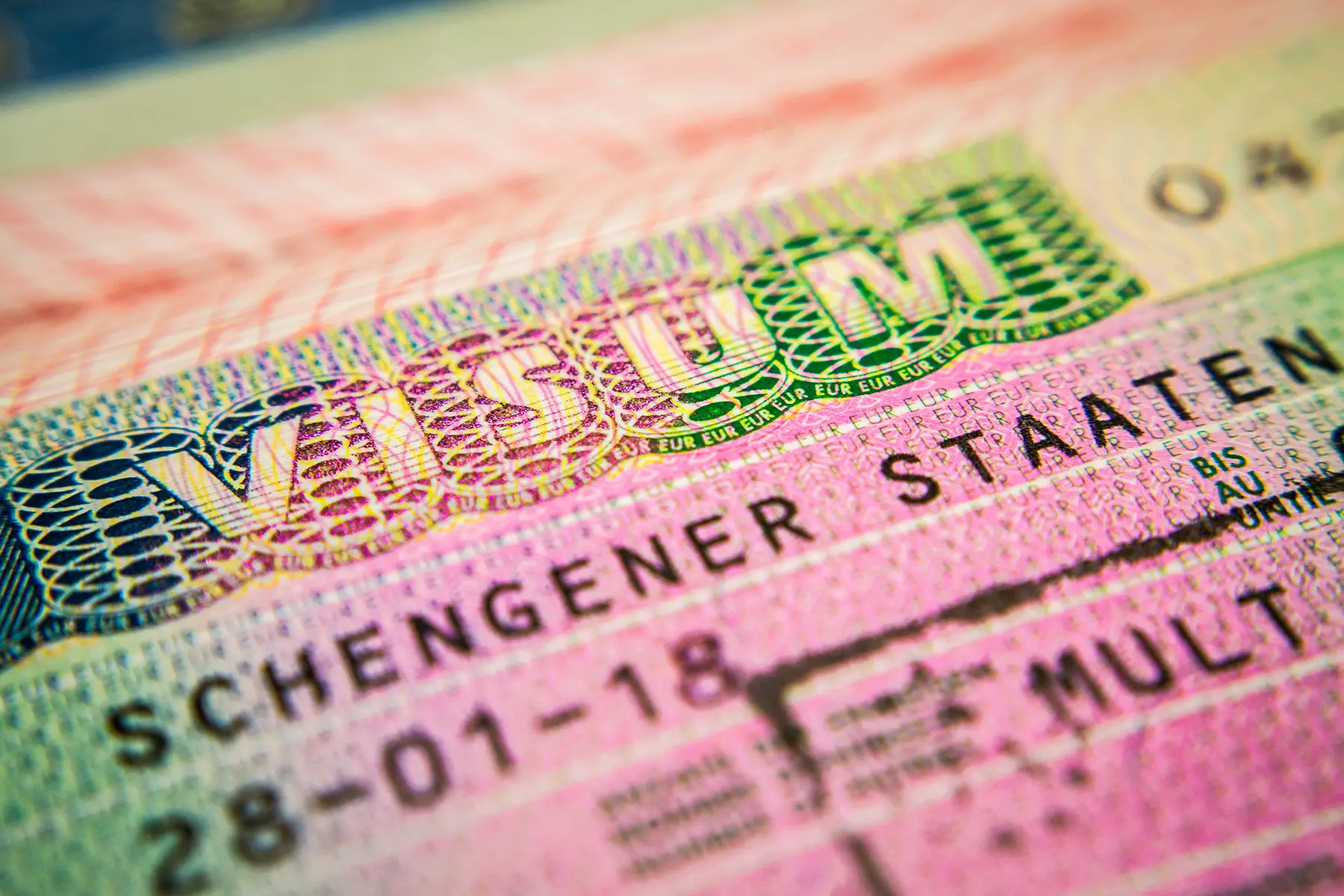
Notably, you need to have health insurance in order to obtain a student visa in Germany. However, most internationals do not qualify for public healthcare. Therefore, if you intend to go to a German university, you will need to arrange your own private health insurance. Furthermore, students are typically exempt from social security payments unless they work for more than 20 hours per week. That said, those who go on to find a job in Germany will start making social security payments once they begin full-time employment.
Private social security options
You can use private social insurance in Germany to top up your statutory benefits or if you cannot access state-funded support. Contribution and payout rates vary across providers so it is a good idea to do your research and shop around to find the right solution for you.
Useful resources
- Federal Ministry of Labour and Social Affairs (Bundesministerium für Arbeit und Soziales) – the Government ministry responsible for social security in Germany
- Federal Employment Agency (Bundesagentur für Arbeit) – deals with unemployment insurance
- German Pension Insurance Federation (Deutsche Rentenversicherung Bund) – the largest state insurance provider in Germany
- National Association of Statutory Health Insurance Funds (GKV-Spitzenverband) – the central body representing public health and nursing insurance funds
- German Statutory Accident Insurance (Deutsche Gesetzliche Unfallversicherung) – deals with occupational accident insurance in Germany
- Artists’ Social Welfare Fund (Künstlersozialkasse) – provides social security for freelance artists, journalists, and publishers
- Social Security at a Glance 2020 – an English-language booklet about social security



Did you find this guide helpful?