
'%20id='ico-down'%20stroke='%23000000'%20stroke-width='1.5'%3e%3cg%20transform='translate(1092.250000,%20254.750000)'%3e%3cpolyline%20id='Path-2-Copy-4'%20transform='translate(5.500000,%202.750000)%20scale(1,%20-1)%20rotate(-180.000000)%20translate(-5.500000,%20-2.750000)%20'%20points='0%200%205.5%205.5%2011%200'%3e%3c/polyline%3e%3c/g%3e%3c/g%3e%3c/g%3e%3c/svg%3e)


Finance
Banking
Banking in Switzerland: the best Swiss banks for expats in 2026
Discover the best banking services for internationals moving to Switzerland and learn why Swiss banks are so famous.

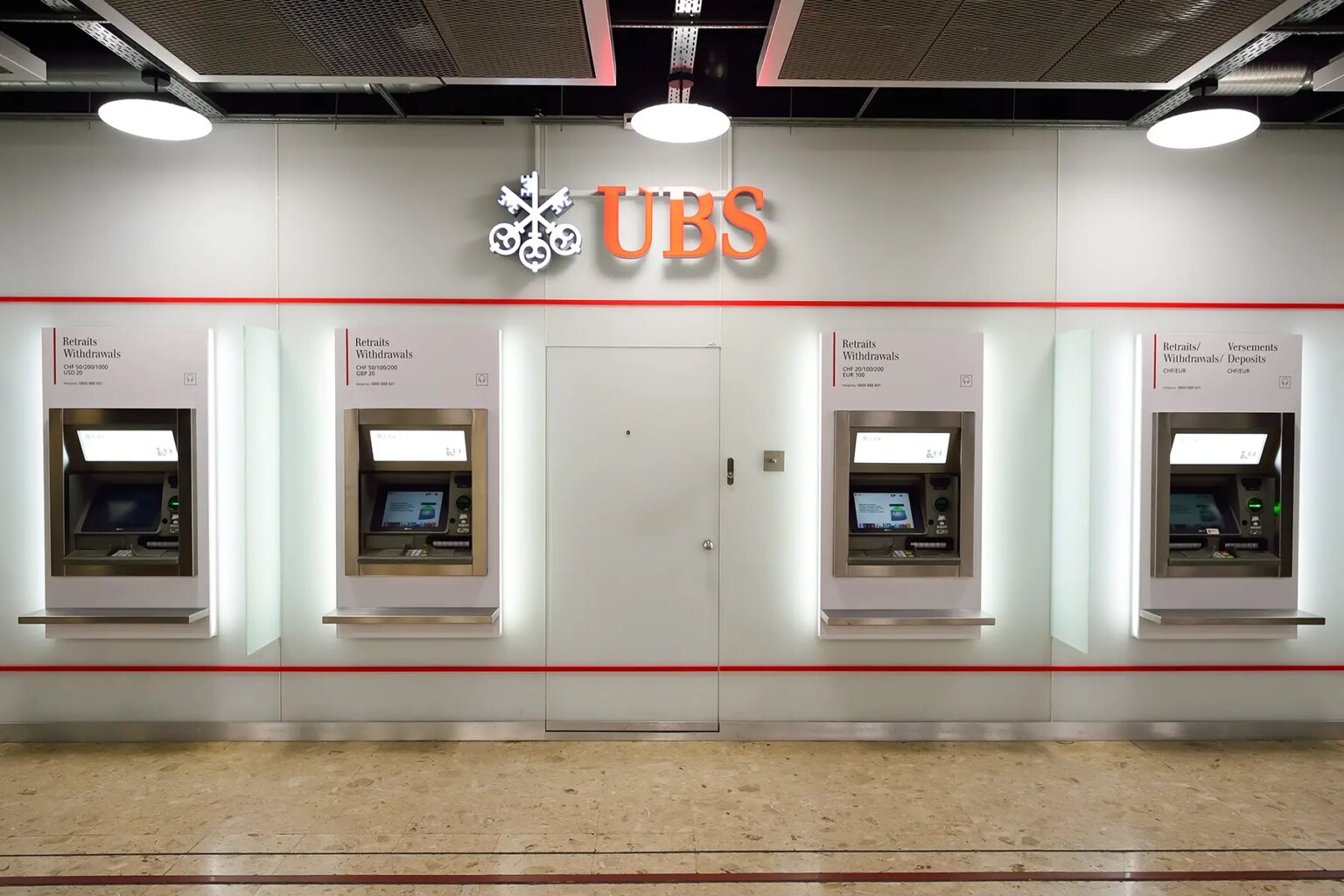
Switzerland is practically synonymous with financial services and banking, so if you’re relocating there, you’ll know your money is safe. However, you’ll still need to choose a bank, understand the local currency, and explore the available financial products.
Below, you’ll find an explanation of Switzerland’s banking system, information on payment methods, and lists of the best banks. Read on to find out about:
N26
Enjoy peace of mind with N26, a fully online bank. Your finances are safe thanks to N26’s European banking license, protection up to €100,000, fingerprint identification, and 3D secure technology. Join millions of people who trust N26 and enjoy no-fee, no-stress transactions, wherever you are in the world.

The banking system in Switzerland
Swiss banks are famous for their stability and discretion. Indeed, banking secrecy is a major draw – banks in the country keep their clients’ activity completely private. Although this has made it a financial hub for global investors, the banking system has faced scrutiny over the years due to its potential for misuse. You can read more about banking security and fraud later in the article.
Switzerland has a comparatively large number of financial institutions for such a small country: it has 242 banks, 104 of which offer retail banking. A wide range of products is available, and at least 384 fintech companies provide financial, investment, and cryptocurrency services.
The Financial Market Service Authority (FINMA) regulates Swiss banks, and the Swiss National Bank is the country’s central bank. Most banks belong to the Swiss Bankers Association.
Some Swiss banks allow you to open an account before you move if you can provide digital copies of documentation. However, the easiest way is to do so in person once you arrive.

You will typically need to provide a valid form of identification, proof of your address, and proof of Swiss residency (unless you are opening an overseas account).
Wise
Moving to Switzerland but still need to manage finances abroad? Wise offers a multi-currency account that lets you hold, exchange, and send money in over 40 currencies at the mid-market exchange rate. With transparent fees and no hidden charges, you can manage your international finances alongside your Swiss bank account. The Wise debit card allows spending in local currencies worldwide, making it an ideal solution for expatriates with cross-border financial needs.
What currency does Switzerland use?
Switzerland’s currency is the Swiss franc (German: Franken, French: franc, Italian: franco, Romansch: franc), abbreviated as CHF (Latin: Confoederatio Helvetica Franc).
There are six notes and seven coins in use in Switzerland:
- Notes: 10, 20, 50, 100, 200, 1,000 francs
- Coins: 5, 10, 20 centimes; 1/2, 1, 2, 5 francs
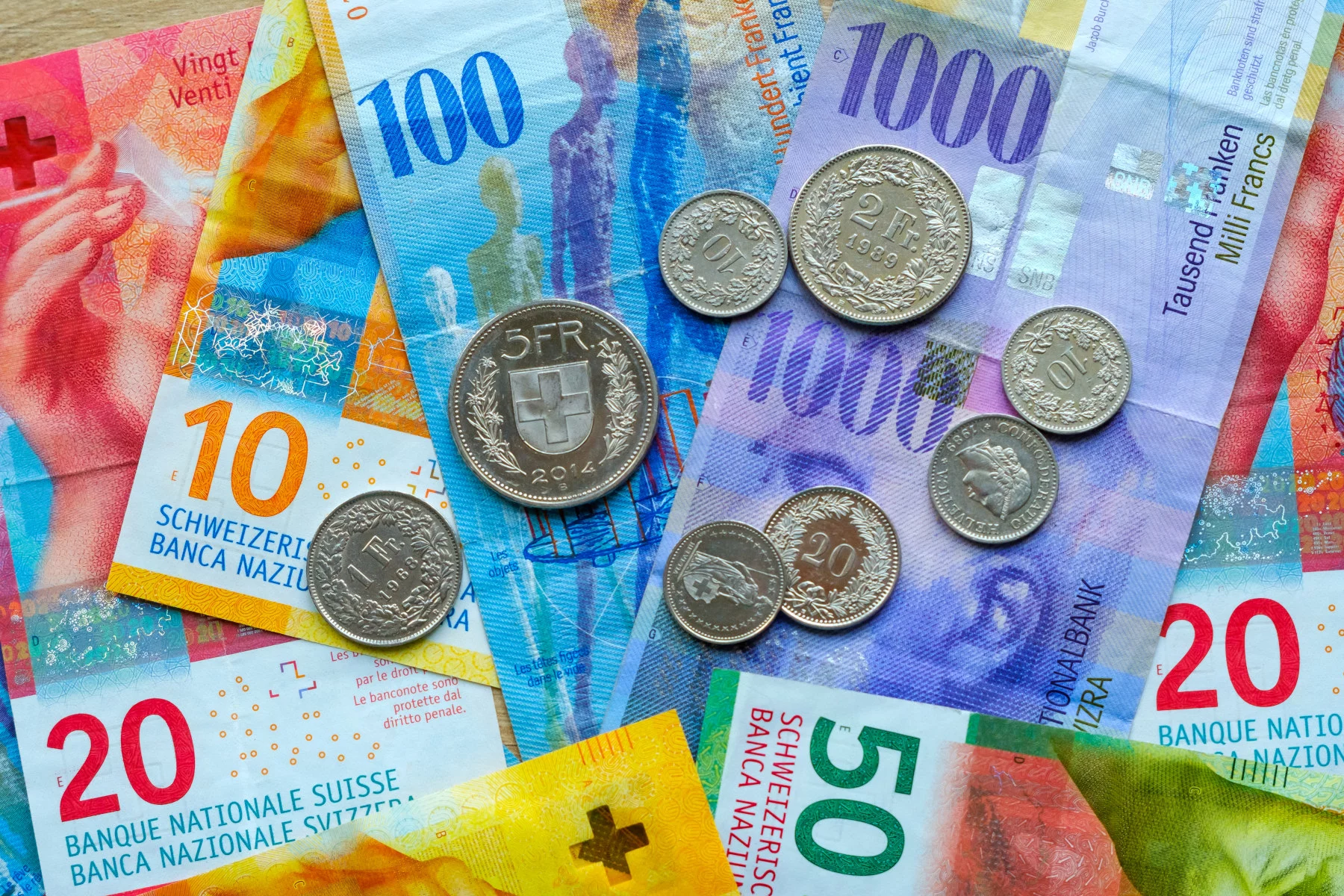
Although many traders accept euros, they are not obligated to do so, and it is not Switzerland’s official currency. Furthermore, the exchange rate might not be particularly favorable, and you will likely receive your change in francs.
The Swiss National Bank provides up-to-date interest and exchange rates for Swiss francs against the euro, dollars, pounds, and other currencies.
Swiss banks
List of Swiss national banks
The Swiss banking landscape features numerous prominent names, and many of the country’s banks have branches all over the world. The largest national banks and banking groups in Switzerland are:
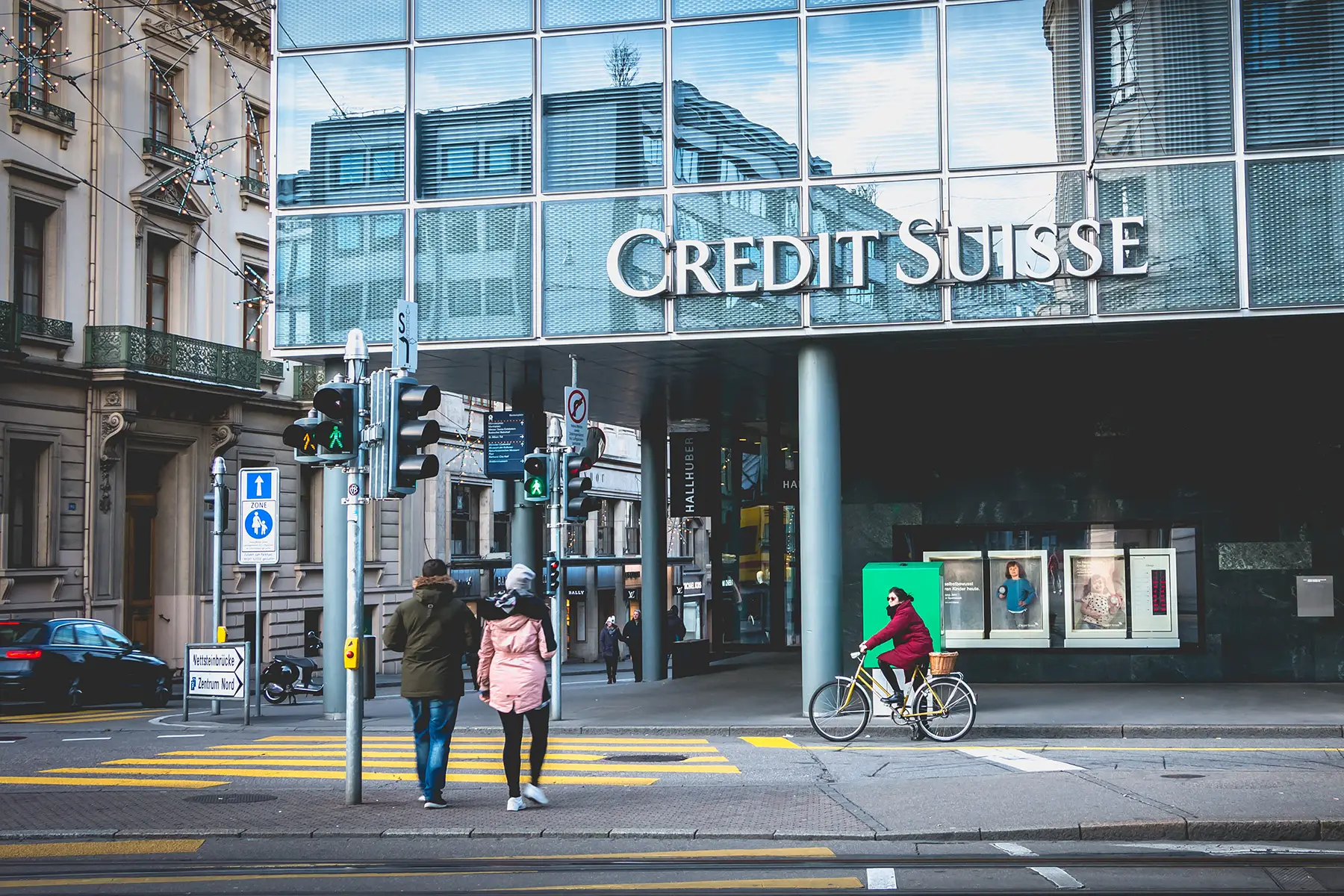
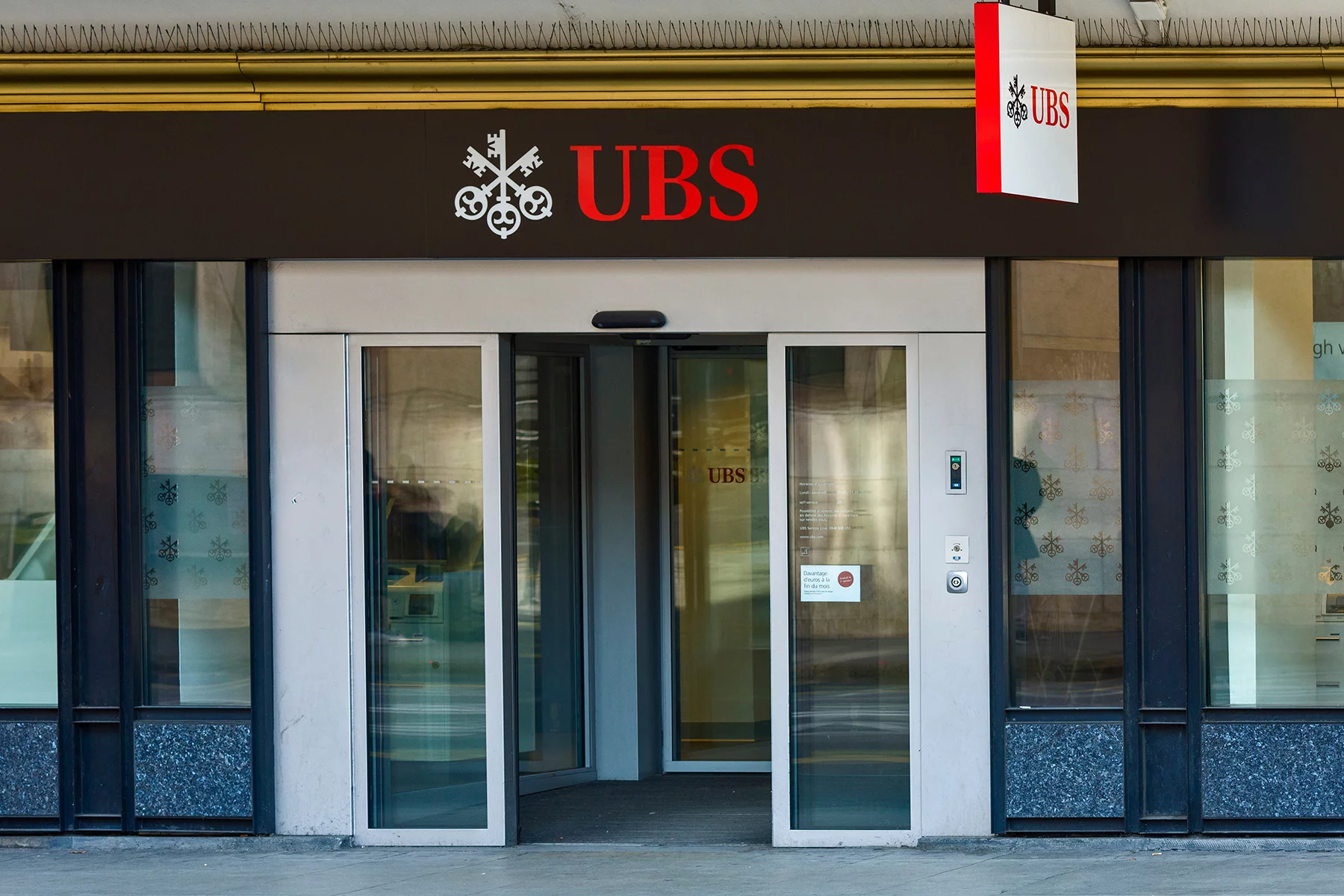
- UBS: Switzerland’s largest bank, which acquired Credit Suisse in 2023. This bank has a global presence and offers a full range of services including accounts, mortgages, corporate banking, and investments.
- Credit Suisse: After its collapse in 2023, Credit Suisse now offers banking services as part of the UBS Group.
- Raiffeisen Switzerland: This cooperative consists of around 300 local banks providing retail, corporate, and business banking.
- Julius Bär: This bank focuses on wealth management and investment.
Swiss digital and neobanks
Digital-only banks are becoming more popular in Switzerland. They offer similar services to traditional Swiss banks but differ in a few ways. For example, they have no physical presence, and their services are generally more affordable.
Neobanks allow you to open an account, provide a card, and facilitate money transfers. On the other hand, you may find a limited range of products available, so if you need a mortgage or similar, you’ll also need to deal with a traditional bank or provider.
While not a bank, Wise provides digital financial services that complement Switzerland’s banking ecosystem. For expatriates who need to manage money across borders, Wise offers a multi-currency account that works alongside your Swiss bank account. This solution is particularly valuable for those who frequently exchange currencies or receive payments from abroad, as it provides convenience and potentially lower fees for international transactions.


Switzerland-based digital banks include:
- Alpian: Licensed bank offering multi-currency accounts and investment products
- Neon: Provides three types of smartphone-based accounts: Free, Metal, and Green
- Radicant: Licensed bank with free accounts and investment products
- Yuh: Finance app with no-fee accounts and investments
Mobile banks usually provide a virtual card with a physical card on request, as well as TWINT, eBills, and QR-code payment functionality. You can read about these payment options later in the article.
Swiss branches of international banks
In addition to national and cantonal banks, many international financial institutions have branches in Switzerland. These banks often focus on expatriates, private banking for high-net-worth individuals (HNWIs), investment, asset management, and corporate banking. International banks with branches in Switzerland include:
- HSBC Private Bank
- Deutsche Bank
- J.P. Morgan
- Citibank
- Barclays
Cantonal banks
Cantonal banks are owned by the government and provide similar services to retail banks. They operate in the canton they’re based in and support regional economies. Some of the largest in Switzerland include:
- Zürcher Kantonalbank (Zürich)
- Banque cantonale vaudoise (Vaud)
- Luzerne Kantonalbank (Lucerne)
- Graubünder Kantonalbank (Grisons)
- St. Galler Kantonalbank (St. Gallen)
Regional savings banks
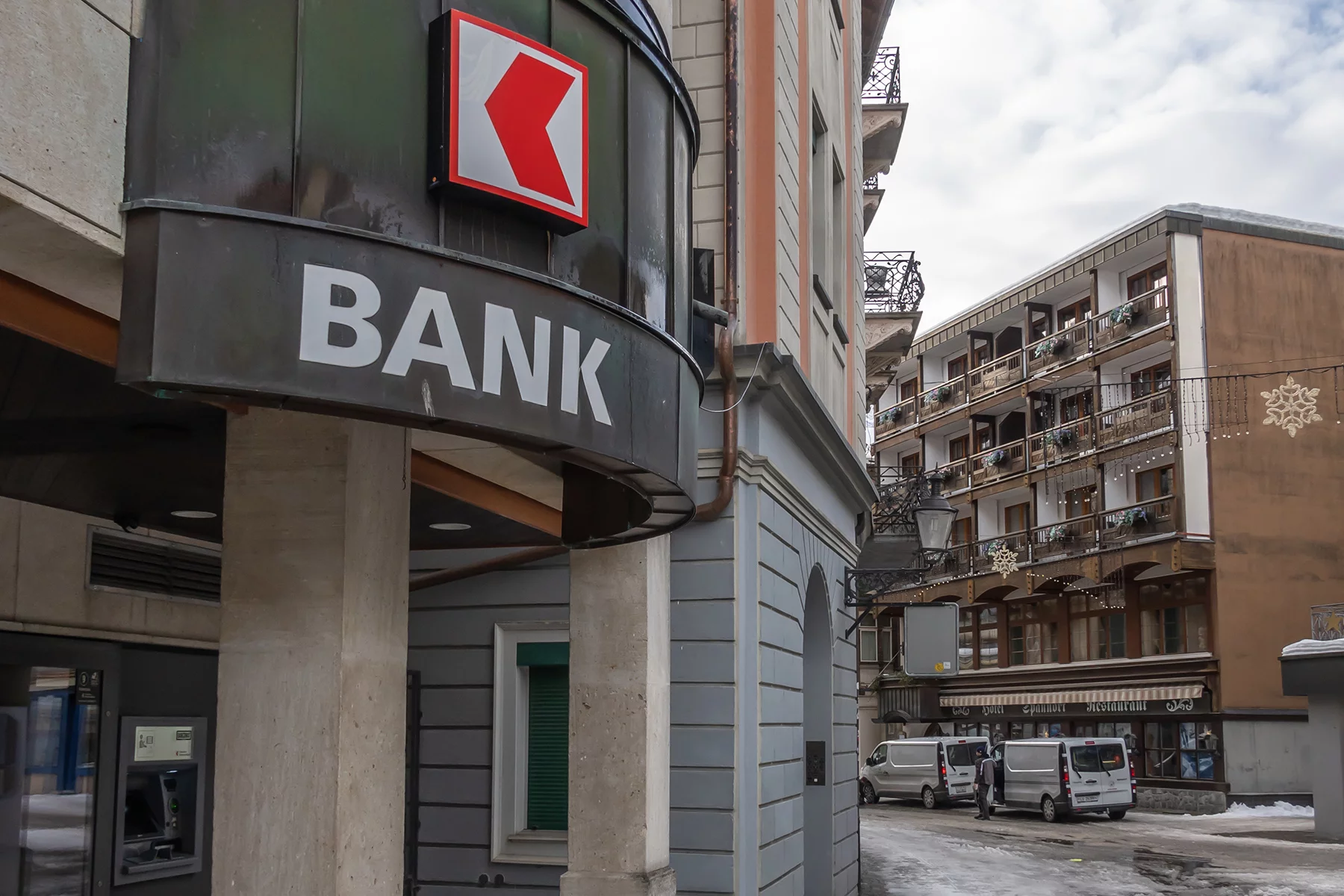
Regional banks are similar to cantonal banks, as they are connected to a specific area. However, they have a slightly different legal status, operating as public limited companies. Many focus on savings and mortgages. Switzerland has numerous regional banks, such as:
- Valiant Bank (Bern)
- WIR Bank Genossenschaft (Basel)
- Lienhardt & Partner Privatbank (Zurich)
Which is the best bank in Switzerland for expats?
Which bank you choose depends largely on where you live and which services you require. If you’re looking for an everyday account, a Swiss national or cantonal bank is likely your best option. For wealth management, you can explore Switzerland’s range of private banks.
If you travel often or send money abroad, a digital bank is more likely to suit your needs. In addition to those listed above, several neobanks have a wider European presence and make it easy to use your card in other countries. These banks include N26.
Many Swiss banks provide English-language services. Furthermore, they usually allow foreigners residing in Switzerland to open an account, but you’ll need to prove that you live in the country legally. You can read more about requirements and processes in the article about opening a bank account in Switzerland.
Non-residents can also open Swiss bank accounts – you can read more in the section on offshore bank accounts below.
Banking services in Switzerland
Swiss banks tend to open Monday through Friday from around 08:00 to 17:00. They typically offer walk-in services where you can withdraw or deposit cash, ask questions, or make an appointment to speak to an advisor or access credit.
Many of the larger banks in the big cities have multilingual staff, although you may want to bring someone who can translate, as there is no guarantee that they will speak your language.

Banking products in Switzerland depend on who your banking provider is. However, most high-street Swiss banks offer the following services:
- Current accounts: for day-to-day money management, including credit and debit card options.
- Loans and overdrafts: when you need to borrow money for a large expenditure, such as home improvements.
- Mortgages: a range of lending options for those looking to buy their own home.
- Savings and investments: options include savings accounts, investment stock options, and pensions.
- Insurance: options include car insurance, home insurance, life insurance, and health insurance.
- Digital and online banking: the major national banks now offer internet banking so customers can manage their finances more easily.
- Mobile banking: banks also have banking apps so you can manage your money from your smartphone or tablet.
- Business banking: if you run a business in Switzerland or work as a freelancer, you can open a tailored business banking account.
- Expat services: some banks offer services and products aimed at the expat community, such as deals on international money transfers or multi-currency accounts.
Payment methods in Switzerland
According to the Swiss Payment Monitor, a research project by the University of St. Gallen and the ZHAW Zurich University of Applied Sciences, the most popular payment methods in Switzerland are:
- Debit card
- Cash
- Mobile payment
- Credit card
Checks are extremely rare in Switzerland.
Debit cards
Debit cards – sometimes colloquially referred to as EC cards – are the most popular form of Swiss payment, accounting for 29.3% of all transactions.
Most Swiss banks issue debit cards, which can be used for general payments both in stores and online. The money comes directly out of your account at the point of sale, so you must have sufficient funds in your bank.
Although Maestro (Mastercard) was the most common form of debit card, Swiss banks are phasing them out and switching to Mastercard and Visa Debit systems. You’ll likely receive a Visa or Mastercard Debit card when opening a new account.
Is cash still used in Switzerland?
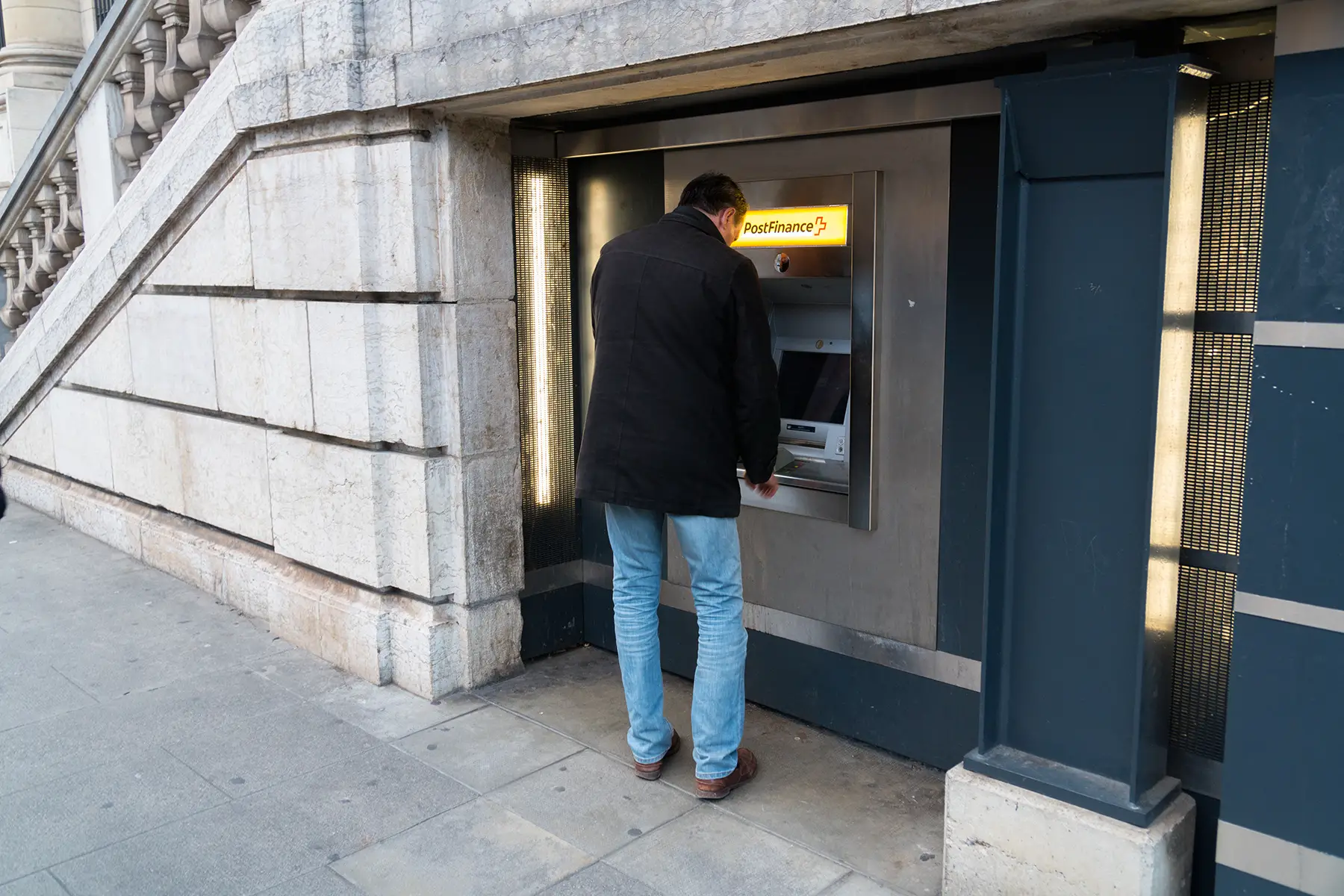
Although debit cards are Switzerland’s most popular payment method, cash remains the second-most common way of paying. The vast majority of shops accept it, and there are about 6774 ATMs in the country where you can get your cash. All of these dispense CHF, but some also provide euros. However, you may encounter an unfavorable exchange rate.
Most machines accept Visa and Mastercard. Some also accept American Express. Withdrawal limits vary but are usually up to CHF 5,000 daily, and you must usually pay a fee to use a foreign debit or credit card in a Swiss ATM. However, some Swiss banks partner with overseas banks to waive transaction charges, so check with your banking provider.
You can find your nearest Swiss ATM for Visa, Mastercard, and American Express.
Mobile and digital payments
In addition to cash and card payments, mobile payments are becoming increasingly popular in Switzerland. Apps and digital wallets can make paying in person and online more convenient. Two very popular options include TWINT and digital wallets.
TWINT
The TWINT Swiss mobile payment app allows payment to other users and can be used for online and in-person shopping. You can use a prepaid balance or connect the service directly to your bank account.
Using TWINT usually involves scanning a QR-code with your phone camera or, if on a smartphone, entering a code on the mobile app.
You can also use it to pay bills and invoices that have a QR-code that the app can scan.

Digital wallets
Apple Pay, Google Pay, Garmin Pay, and other digital wallets allow you to pay online and in person, using a device like a smartphone or smartwatch. PayPal is also widely used, but mostly for online transactions.
Credit cards
Credit cards allow you to buy goods and pay later, usually via a quarterly or monthly credit card bill.
Unlike debit cards, credit cards do not always come as standard with Swiss current accounts. Often, you require a good credit rating to apply for a card.
Swiss credit cards are available through both Swiss banks and other independent card issuers working in partnership with banks. Visa, Mastercard, and American Express are the most common credit card types in Switzerland.
Credit cards are more expensive than debit cards. Some Swiss banks also require you to deposit up to twice your monthly credit card limit before issuing you a card. These cards are the third most popular payment in Switzerland, representing 21.6% of transactions.
eBill
One convenient way of paying bills and invoices is with eBill, which has been popular in Switzerland since the late 2010s. Most Swiss banks include this functionality in their online banking service, so check when opening an account.
To pay a bill with eBill, you should request this option from your provider, and you will receive the invoice directly to online banking. You then approve each payment request individually. Most banks accept eBills, and you can pay on your bank’s website or app.
Direct debits and standing orders
Direct debits give consent to third parties (e.g., utility companies) to make regular charges of variable amounts directly to your bank. Standing orders, on the other hand, are instructions to your bank to make a fixed regular payment to a third party.
There are two types of direct debits in Switzerland: LSV+ and Swiss Direct Debit (CH-DD). All banks use LSV+ apart from Postfinance, which uses CH-DD. Some also allow Single Europe Payment Area (SEPA) direct debits for bills paid to countries in the eurozone.
Although direct debits are convenient, the one drawback is that companies can charge you an amount without getting your approval first. So, if you have a larger than normal electricity bill, for example, your provider doesn’t need your prior consent before taking the money. However, both LSV+ and CH-DD allow customers to dispute transactions within 30 days.
Local money transfers
Most people use local bank transfers to send Swiss francs to other bank accounts in Switzerland. This was the method used for 52% of online payments in 2022. You can do these by contacting your bank or via online or mobile banking. You’ll need the number and details for the account you are paying the funds into.
TWINT is also popular for sending money to other people in Switzerland – the app allows you to send and receive money and split bills.
International money transfers
Although Switzerland is not part of the European Union, it participates in SEPA (Single Euro Payment Area) as part of the European Free Trade Association (EFTA). This enables the speedy and cheap transfer of money across Europe. However, this only applies to the euro currency transfers, not transfers in Swiss francs.

You can send money abroad via your Swiss bank, although they typically charge between CHF 5–20 for doing this. The recipient’s bank may also charge you.
Another option is to use an international money transfer specialist. These companies often provide cheaper rates. Providers include:
Wise offers international transfers with transparent fees and uses the mid-market exchange rate, which can help save on foreign currency transactions. Their multi-currency account allows you to hold, convert, and manage over 40 currencies, making it particularly useful for expatriates who regularly send or receive money in different currencies. Additionally, the associated Wise debit card enables you to spend in local currencies worldwide without the hidden fees often charged by banks.
For more information, read our article on international money transfers in Switzerland.
Banking fees in Switzerland
Swiss banks often have higher fees than those of other countries, but they provide a high level of service and stability.
You’ll likely encounter the following charges:
- Bank account: A monthly maintenance fee, usually starting at around CHF 5
- ATM use: generally free if you use a standard ATM and have a Swiss bank account. You may be charged around CHF 5–10 for transactions if you use cards linked to foreign accounts or currencies.
- Debit cards: annual fees generally between CHF 40–50 a year, plus additional charges if you use your card for transactions outside the country
- Credit cards: often more variable than debit cards, starting at around CHF 30 a year plus the annual percentage rate charge (APRC). Foreign transactions usually incur charges of between 1.2% and 2.5%.
- Loans and mortgages: depends on the APRC, and lenders may apply additional charges.
- International money transfers: depend on the destination and the amount transferred
- Overdraft interest rates: 8–12% per year
- Inactive account charges: may have additional fees if accounts become dormant
- Penalty charges: you will likely be charged for any late or defaulted payments or for exceeding an agreed overdraft. Charges can vary greatly depending on the nature of the infraction.
Each Swiss bank has its own fee structure, which you can find online or as part of the introductory information pack when you set up an account. It’s worth shopping around and doing your research before opening a Swiss bank account to avoid getting stung by unexpected fees.
Offshore banking in Switzerland
Switzerland is one of the best offshore banking jurisdictions in the world due to its financial stability, sophisticated banking technology, and relatively low tax rates. While anonymous numbered accounts are a thing of the past, Swiss banks still offer a high level of confidentiality. This alone provides peace of mind to account holders worried about data protection and fraud.

Most major Swiss Banks, including some of the investment banks, offer offshore banking options to non-residents. These accounts usually have distinct advantages, such as multi-currency options and a wider range of cross-border services. To open an account, you must provide proof of identity and show that funds come from a legal source to show that you are not engaging in money laundering activities.
Accounts for non-residents often charge high fees, and you should check eligibility criteria before applying. Some banks may require you to visit a branch in person before opening an account.
Ethical banking in Switzerland: how sustainable are Swiss banks?
Switzerland’s banking sector has been criticized for greenwashing in recent years, and a WWF report from 2021 finds that no major Swiss retail banks rank in the top two categories for sustainability. Several, including Raffeisen and UBS, are considered ‘ambitious.’
Despite these difficulties, there are options for environmentally conscious customers. Alternative Bank Switzerland focuses on social and environmental responsibility and invests in ethical projects. Meanwhile, Globalance provides sustainable private banking and investments.
Some other banks offer green investments and contribute to social causes, so it’s worth shopping around.
Banking security and fraud in Switzerland
Banks in Switzerland are among the most secure in the world and provide a high level of protection against fraud. However, according to the Banking Ombudsman, card fraud is becoming more common. Like anywhere, those using banking services in Switzerland can be vulnerable to scams if they don’t take precautions.
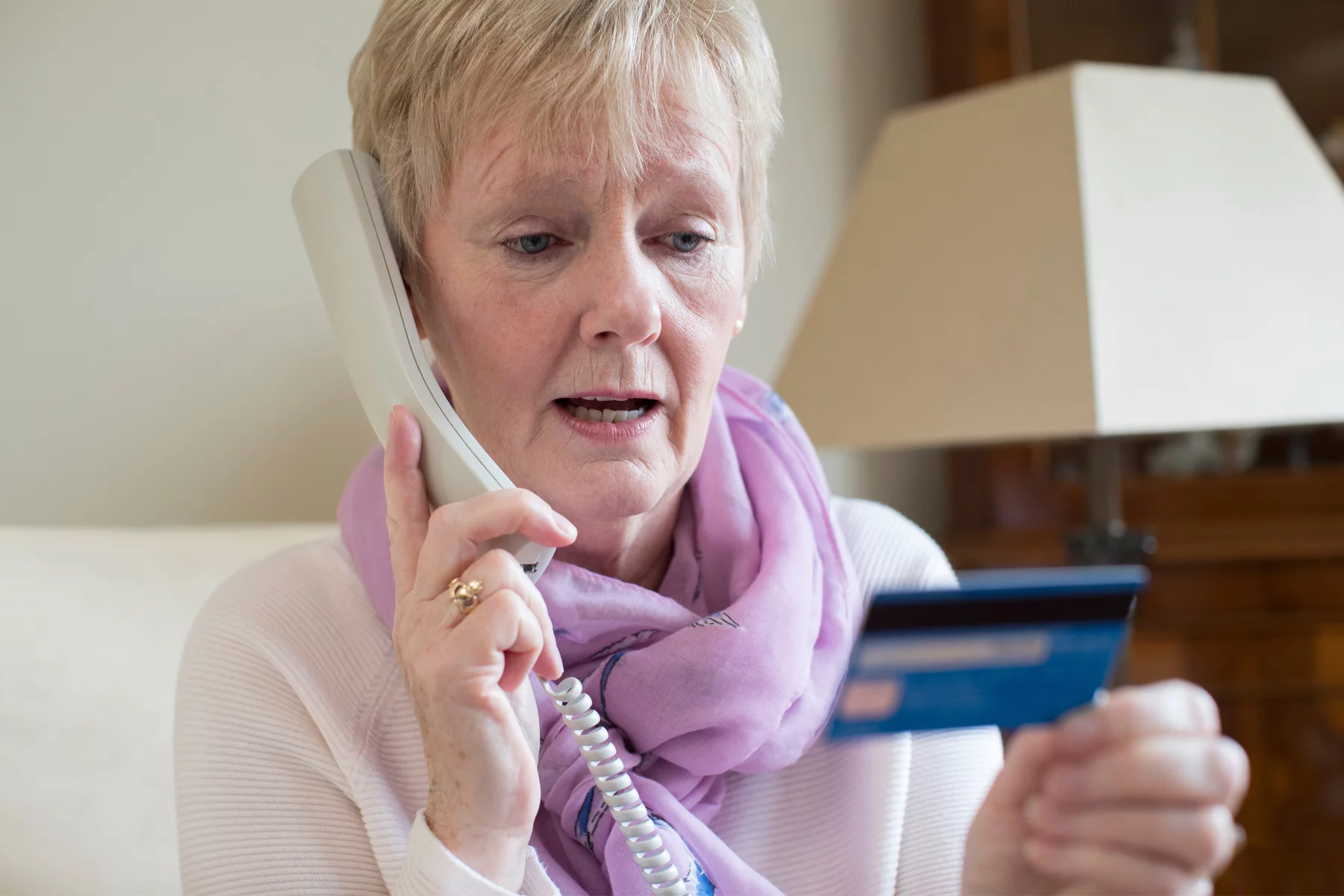
These include phishing and fake email requests. Major Swiss banks, including the Swiss National Bank, have warned about fraudulent emails sent in their names.
The Swiss National Cyber Security Centre provides information on current topics and threats, including those related to banking.
You can help protect yourself against banking fraud in Switzerland by:
- Having different passwords for different accounts
- Ending suspicious phone calls immediately and ignore suspect emails, text messages, and other communications
- Using two-factor authentication where possible
- Never supplying sensitive or confidential personal information in an email, phone conversation, or on a website that you accessed through a link in an email
- Remaining skeptical and contacting your bank if you receive an email that threatens grave consequences such as legal proceedings or your account being blocked
- Not installing suspicious software and apps or allowing remote access to your computer
- Not opening attachments on suspicious emails
- Always using secure and verified payment platforms when making online payments.
- Never entering your personal identification number (PIN) anywhere online.
- Avoiding logging into your online or mobile account on a shared device.
- Being careful when scanning QR codes – check the information after scanning and before clicking the link.
Lost or stolen bank cards in Switzerland
If your card is lost or stolen, block it immediately so that no further transactions can be made. You can block your card by contacting your bank – they should have details on their website, or your banking app should have an option to block your card.
For details on what to do in an emergency, read more about emergency numbers in Switzerland.
Making a complaint about banks in Switzerland
If you are unhappy about the behavior of a Swiss bank, you should first try to resolve the issue with the bank directly through its complaints department. If you are dissatisfied with the outcome or if you don’t hear back from them, you can file a complaint with the Swiss Banking Ombudsman.
Alternatives to using banks in Switzerland
Due to the high level of regulation on the financial and credit market in Switzerland, credit unions and mutual savings institutions do not exist in the country.
The closest option is regional savings banks. If you want to manage your money in Switzerland but don’t want to, or can’t, use a traditional bank, you can contact a private credit broker for products such as loans or insurance.
Useful resources
- Association of Swiss Regional Banks – information, statistics, and news about Switzerland’s regional banks
- moneyland.ch – detailed guides to handling your finances in Switzerland
- Swiss FinTech Map – browse data and profiles of Swiss Fintechs
- Swiss National Bank – official website


Did you find this guide helpful?