
'%20id='ico-down'%20stroke='%23000000'%20stroke-width='1.5'%3e%3cg%20transform='translate(1092.250000,%20254.750000)'%3e%3cpolyline%20id='Path-2-Copy-4'%20transform='translate(5.500000,%202.750000)%20scale(1,%20-1)%20rotate(-180.000000)%20translate(-5.500000,%20-2.750000)%20'%20points='0%200%205.5%205.5%2011%200'%3e%3c/polyline%3e%3c/g%3e%3c/g%3e%3c/g%3e%3c/svg%3e)


Moving
Visas & Immigration
Citizenship in Belgium: how to become a Belgian citizen
Ready to take on a new nationality? Learn all there is to know about Belgian citizenship, the conditions you’ll have to meet, and how you can apply.

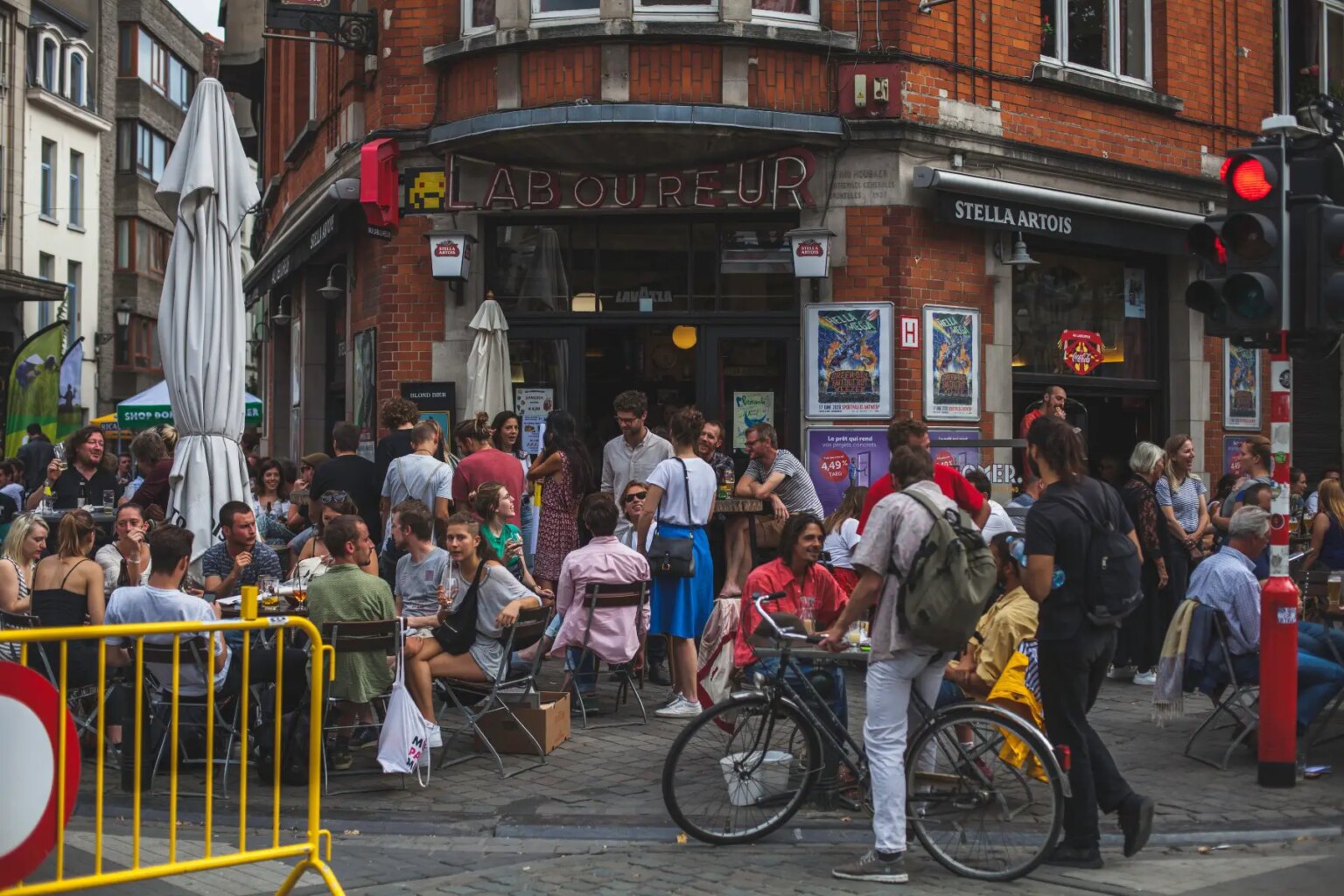
Belgium might be a small country, but the benefits of listing it as your official home are huge. Belgian citizenship allows you access to social welfare, vote, and move freely within the European Union (EU).
The process of naturalization isn’t all that difficult. Read on to discover which path you can take to become an official Belgian national:
Sirelo
It's no secret that moving abroad can be stressful. Sirelo's team of removal advisers is here to help. They provide five free quotes from international shipping companies so you can find the best options at the best prices. Take the stress out of your relocation to Belgium with Sirelo.

Citizenship in Belgium
What Belgium lacks in size, it makes up for in culture and people. The country is bursting with festivals, museums, and architecture. It is also famous worldwide for its culinary delights of waffles, chocolate, and beer.
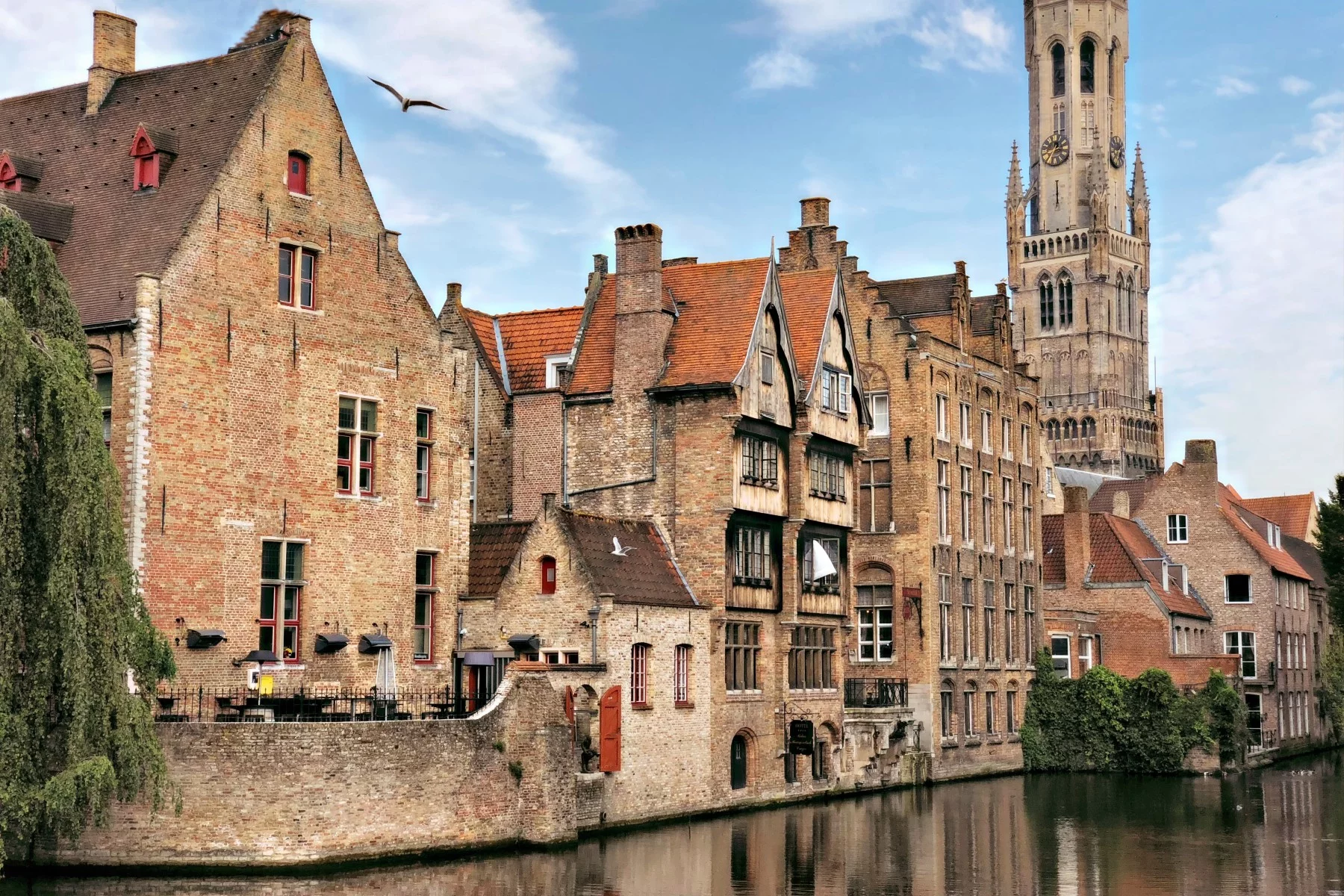
It has a booming job market, incredible social security, and a pleasant lifestyle. According to the OECD Better Life Index (2022), Belgians, on average, give their life satisfaction a score of 6.8.
The public Prosecutor’s Office (Dutch: rechtbank van de eerste aanleg, French: tribunal de première instance) handles all citizenship requests.
Each year, the immigration authority grants between 30,000 and 40,000 new citizenships. In 2022, Belgium had around 11,500,000 inhabitants, 13% of whom were born elsewhere.
If you’re looking to immigrate to Belgium, you’re likely familiar with the Code of Belgian nationality (Dutch: wetboek van de belgische nationaliteit – WBN, French: code de la nationalité belge – CNB). This book of law dictates all citizenship matters in Belgium.

The country has a mix of jus sanguinis (citizenship by descent), jus soli (citizenship by birth), and the naturalization of international residents. The main paths to becoming a Belgian citizen are:
- Having Belgian parents
- Adoption by a Belgian national
- Marriage to a Belgian person
- Declaration of your nationality after residency
- Naturalization (which is different from citizenship through residence)
Belgian citizenship by descent
Belgium adheres to jus sanguinis (citizenship by descent). That means that children with at least one Belgian parent will automatically inherit Belgian nationality. This also applies to children who were or had:
- Born out of wedlock, and the first parent to acknowledge them is a Belgian citizen
- Born outside of the country to Belgian parents
- Born outside of Belgium to parents with multiple nationalities (including the Belgian one) and weren’t given another nationality before they turned 18
- Parents who were born in Belgian Congo before 30 June 1960
- Parents who were born in Ruanda-Urundi (later Ruanda-Burundi) before 1 July 1962
Adoption by a Belgian national
When a child is adopted by at least one Belgian parent, they will also get Belgian citizenship.

When someone is born in Belgium but adopted by non-Belgian nationals, they can still get citizenship if the adoptive parents have lived in Belgium for the past 10 years. For this to apply, at least one of the parents must have a residence permit.
The other way around is also possible. If a foreign national adopt a child with Belgian nationality, this parent can also apply for citizenship. To qualify, the parent must meet the following conditions:
- They have legally resided in Belgium for an uninterrupted period of at least five years
- They can prove that they speak at least one of the three official national languages (French, Dutch, or German)
- They can show that they are socially integrated by having either:
- Earned a degree or certificate
- Taken at least 400 hours of professional training and worked as a paid employee for at least 234 days, or worked as a self-employed person and made at least three quarterly social security contributions
- Taken an integration course
Applying for citizenship by descent or adoption
Belgian parents who’ve had a baby do not need to apply for citizenship for their child. The baby will automatically get Belgian nationality when they are registered with the Civil Registrar (Dutch: dienst burgerlijke stand, French: service de l’état civil de la commune) at the local town hall (Dutch: gemeentehuis, French: mairie).
If the family lives abroad, the parents can register their child with the local Belgian embassy or consulate. They will also need to submit a declaration of attribution of Belgian nationality (Dutch: nationaliteitsverklaring, French: declaration d’attribution de la nationalité).
When adopting a child, parents must submit a declaration of nationality with their local municipal office in Wallonia, Flanders, or Brussels. They must do so before the child turns five or within five years of the adoption.
If the application is submitted on behalf of a foreign parent of a Belgian child (so the other way around), it is considered a declaration of citizenship through residency. This is explained in more detail below.
Declarations of nationality are free for children, but costs might increase due to additional charges for translation and legalization of documents (i.e., apostille). If you need to pay international providers for document services or send funds from abroad for these costs, services like Wise can help you make international transfers in 40+ currencies at the mid-market exchange rate with low, transparent fees. Remember that all payments to Belgian authorities must be made in euros.
Processing times and any additional fees can differ per municipality.
Wise
Securing Belgian citizenship often means maintaining strong ties with your home country. Whether you need to pay application fees or send money to family abroad, Wise helps you save with the real exchange rate and low, transparent fees. Join millions of expats who manage their international finances with Wise.
Citizenship by birth in Belgium
In Belgium, parental birthright supersedes the right of birthplace. In other words, children will only become citizens when at least one of their parents is Belgian. If neither of the parents has Belgian nationality, their child does not receive automatic citizenship unless they would otherwise be considered stateless.

However, this does not mean citizenship by birth is impossible in Belgium. To get Belgian nationality, children must meet the following requirements:
- You were born in Belgium, and this has been your primary country of residence since
- Your (adoptive) parents are foreign nationals who have lived in Belgium for at least 10 years preceding your birth or adoption
- At least one of your parents holds a permanent residence permit
How to get citizenship by birth or adoption
Foreign (adoptive) parents can request Belgian nationality for their children by submitting a declaration of nationality at the local municipal office in Wallonia, Flanders, or Brussels.
If you are older than 18, you can independently request a declaration of Belgian citizenship. However, you must meet these additional requirements:
- You have a permanent residence permit
- You can show that you speak at least one of the three national languages
- You are socially and economically integrated into society (e.g., you have worked and lived in Belgium for the past five years)
Declarations of nationality are free for children but cost €150 for adults. Of course, charges for translation and legalization of the documents may add to the expenses. Processing times and any additional charges may vary between municipalities. For international document services or transfers from abroad, using Wise can help you convert and send money at the mid-market exchange rate. Processing times and any additional charges may vary between municipalities.
Citizenship by residence in Belgium
The most common way for internationals and immigrants to get Belgian citizenship is by residence. Anyone who has lived in the country for an uninterrupted period of at least five years can submit a declaration of citizenship.
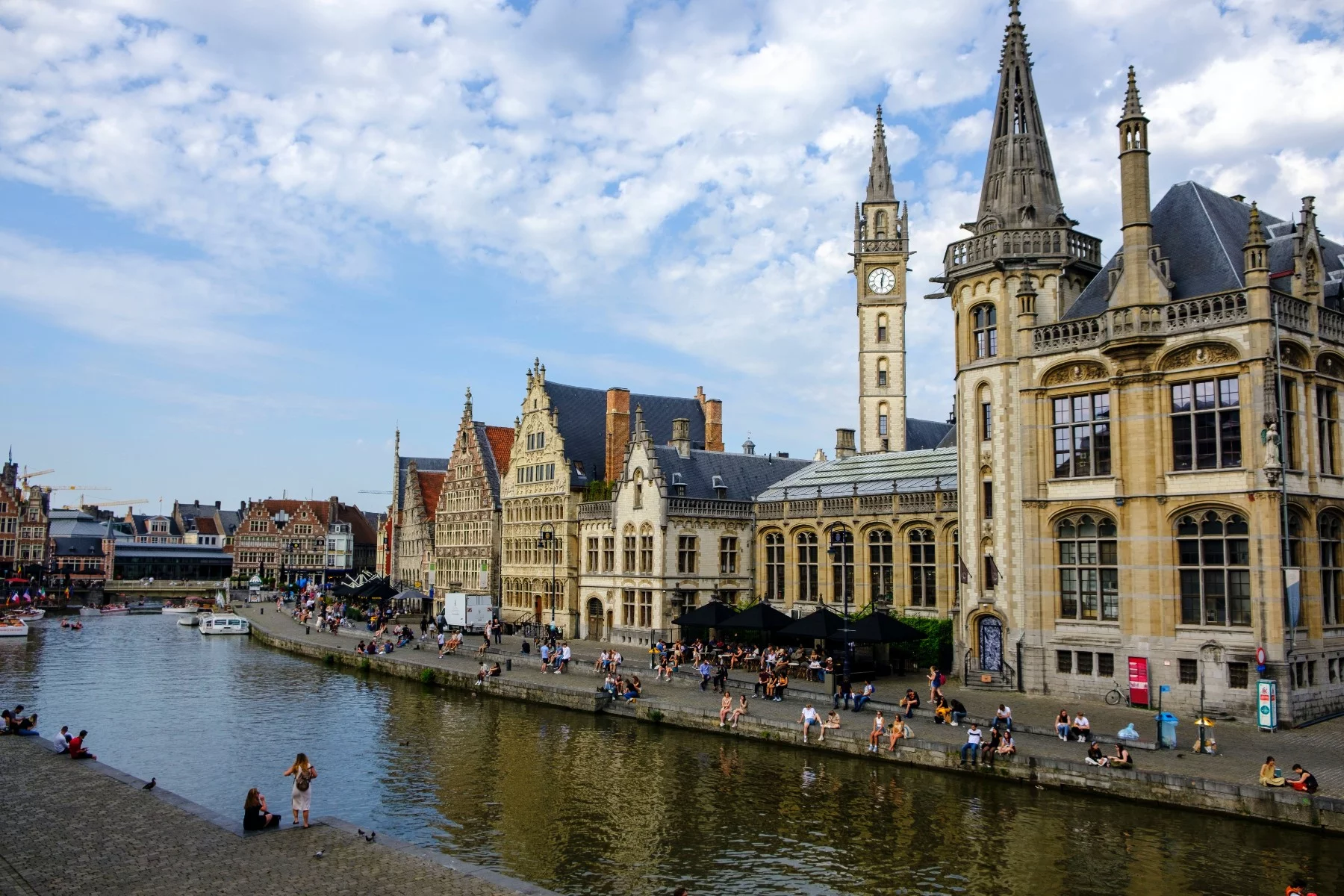
There are several other requirements that you’ll have to meet. These include:
- Being at least 18 years of age
- Speaking at least one of the three national languages, which you can prove by demonstrating your social integration
- Being integrated into society by having either:
- earned a degree or certificate
- done at least 400 hours of professional training
- taken an integration course
- worked in Belgium uninterrupted for the past five years
- Being economically integrated by having worked as either:
- a paid worker or a public servant for at least 468 days during the last five years
- a self-employed person who has made social security contributions for at least six quarters of the last five years
- Proving that you are unable to work due to a disability or chronic illness or because you have reached pensionable age (65 in 2022)
Maintaining employment and economic integration often means managing finances across borders during your residency period. Many residents find it helpful to use a multi-currency account to hold money in different currencies and make international transfers when needed. Wise offers this service, allowing you to send and receive money at the mid-market exchange rate with transparent fees, which can make managing your financial ties between Belgium and your home country more straightforward.
If you cannot meet these requirements, you can also apply for citizenship after you’ve legally resided in Belgium for the past 10 years. In that case, you will need to demonstrate that:
- You have knowledge of at least one of the three national languages
- You are integrated into sociocultural or economic life
Citizenship by marriage to a Belgian national
Belgium does not automatically grant citizenship to people who get married to a Belgian citizen. Instead, they can become national by following the above residence procedure. The same conditions apply with one additional requirement: you’ll need to have cohabitated with your partner in Belgium for at least three years.
Applying for citizenship by residence
You can apply by submitting a declaration at your local Belgian municipal office in Wallonia, Flanders, or Brussels.

You’ll need to provide several documents, including:
- Your birth certificate, translated and legalized if necessary
- Proof of your residence in Belgium for an uninterrupted period of at least five years
- Proof of language proficiency through social integration
- Proof of social and economic integration
- Proof of payment of the application fee of €150
Other than the application costs, there might be additional fees for translation and legalization. If you’re living abroad or managing finances internationally during the application process, Wise can help you make payments in euros without hidden exchange rate markups. Wise uses the mid-market exchange rate – the same rate you see on Google – and charges low, transparent fees, making it easier to manage costs across borders. This can be particularly useful when you need to pay for document services or transfer funds from another currency.

For the translation of your documents, you can also use a reputable translation agency such as lingoking.
Once the file is complete, the municipality will forward your application to the public prosecutor’s office. Note that you will receive a receipt once the application is submitted. The prosecutor will consult the Immigration Office (Dutch: dienst vreemdelingenzaken, French: office des étrangers) and the National Security Authority – NSA (Dutch: nationale veiligheidsoverheid – NVO, French: l’autorité nationale de sécurité – ANS) before they make a final decision.
If you did not get a receipt, the prosecutor did not receive your file. Your application will be rejected automatically, and the municipality will inform you immediately.
The prosecutor has four months (from the date of receiving the application) to raise any objections. If there aren’t any, you’ll receive confirmation of approval. If they oppose you becoming a Belgian citizen, they will send you and the municipality a registered letter. After this, you can file an appeal, as explained below.
Belgian citizenship by naturalization
It’s rare for a foreign national to become a citizen through naturalization stricto sensu. This means naturalization in the strictest sense, which is considered a favor or concession.
You can only request citizenship by naturalization when you meet the following requirements:
- You are at least 18
- You have legally resided in Belgium for at least three months at the time of the application
- You can prove exceptional merit in either scientific, sports, or sociocultural-related fields
- You can demonstrate why you can’t get Belgian citizenship with a declaration of nationality after five years of residency
You can also apply for citizenship by naturalization when you are a stateless person. In that case, the following conditions apply:
- You are 18 years or older
- You have legally resided in Belgium for at least two years
How to get citizenship through naturalization
You can submit an application at your local municipal office in Wallonia, Flanders, Brussels, or the Belgian House of Representatives (Dutch: kamer van volksvertegenwoordigers, French: chambre des représentants).

Once your file is complete, and you have paid the €150 registration fee, the House of Representatives will consult the public prosecutor’s office. Following their advice, the House can decide to reject, further examine, or grant your citizenship.
Next, your case will be brought to the Naturalization Committee of the House (Dutch: commissie voor de naturalisaties van de kamer, French: commission des naturalisations de la chambre). After they’ve approved it, they will send your application to the King for formal ratification.
Because it entails an official decree, your name and application will be published in the Belgian Official Gazette (Dutch: belgisch staatsblad, French: moniteur belge). The authorities will inform you of the decision in writing, and your Belgian citizenship will be official on the day of publication.
The overall duration of the naturalization procedure can take at least two years. And because of the high number of requests, it can take even longer.
Citizenship for refugees
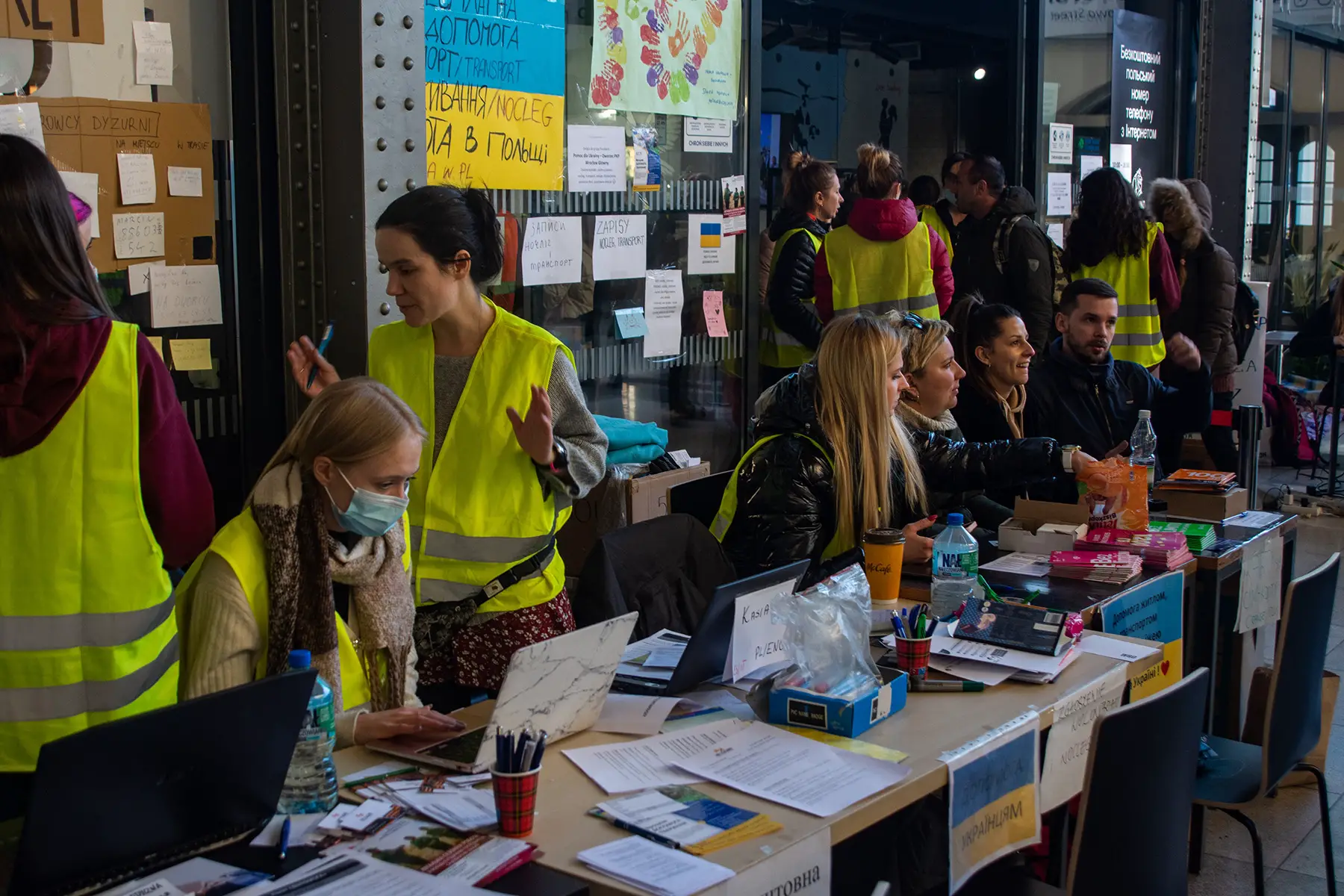
Refugees who are 18 or older can also apply for Belgian citizenship. You can do so via residency or naturalization. Whichever route you take has different requirements.
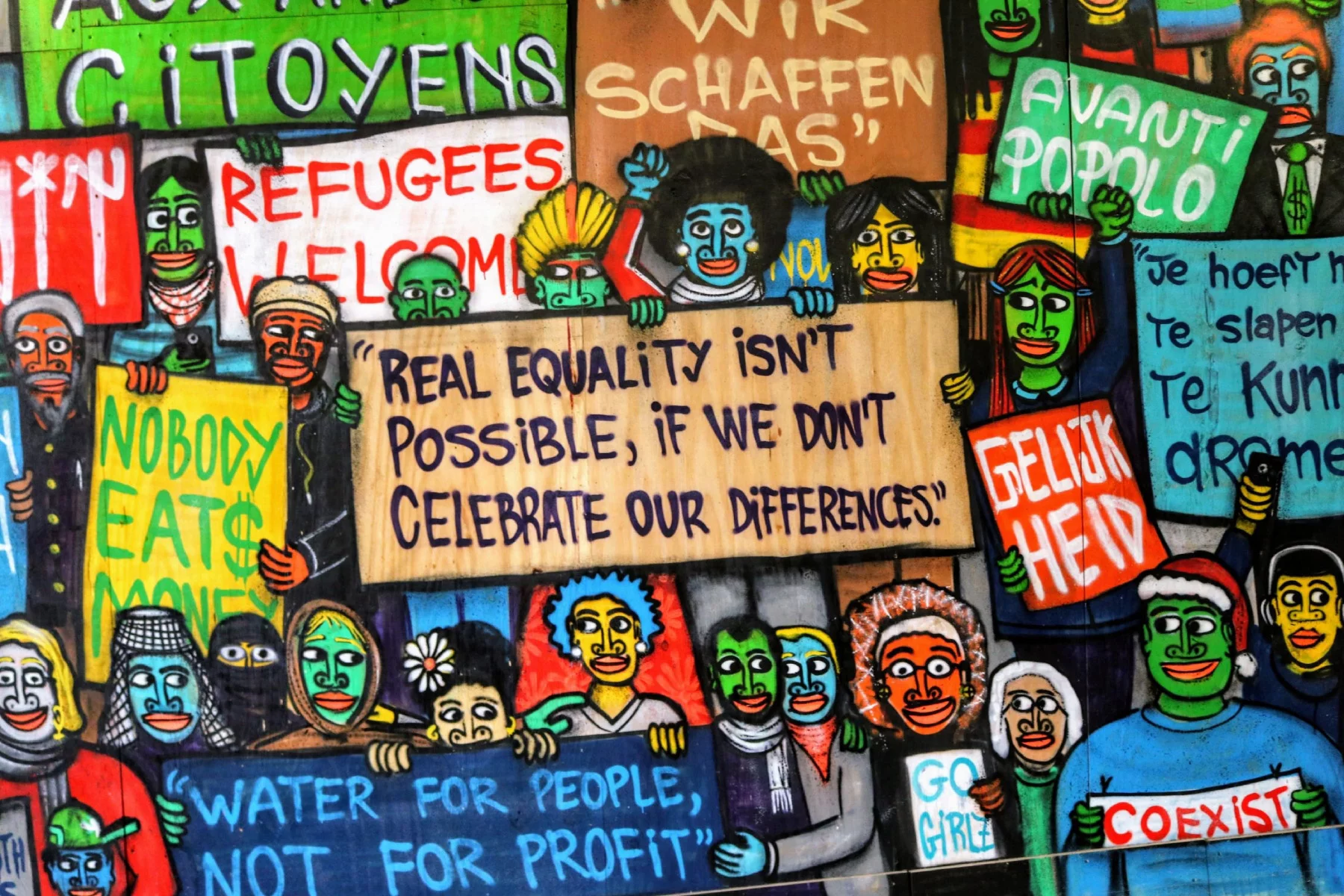
If you encounter difficulties gathering the required documents, you can contact the Office of the Commissioner General for Refugees and Stateless Persons – CGRS (Dutch: commissariaat-generaal voor de vluchtelingen en de staatlozen – CGVS, French: commissariat général aux réfugiés et aux apatrides – CGRA).
Once you receive Belgian citizenship, you’ll automatically lose your refugee status.
Citizenship test in Belgium
Currently (2022), the application procedure does not include a citizenship test.
However, some political parties do call for mandatory testing. It is, therefore, possible that a citizenship test will be required in the future.
Passports in Belgium
After receiving your Belgian citizenship, you can apply for an ID card or a passport at your local municipal office. If you’re living abroad, you can request an ID at your local Belgian embassy or consulate. The waiting period can take up to 10 working days.
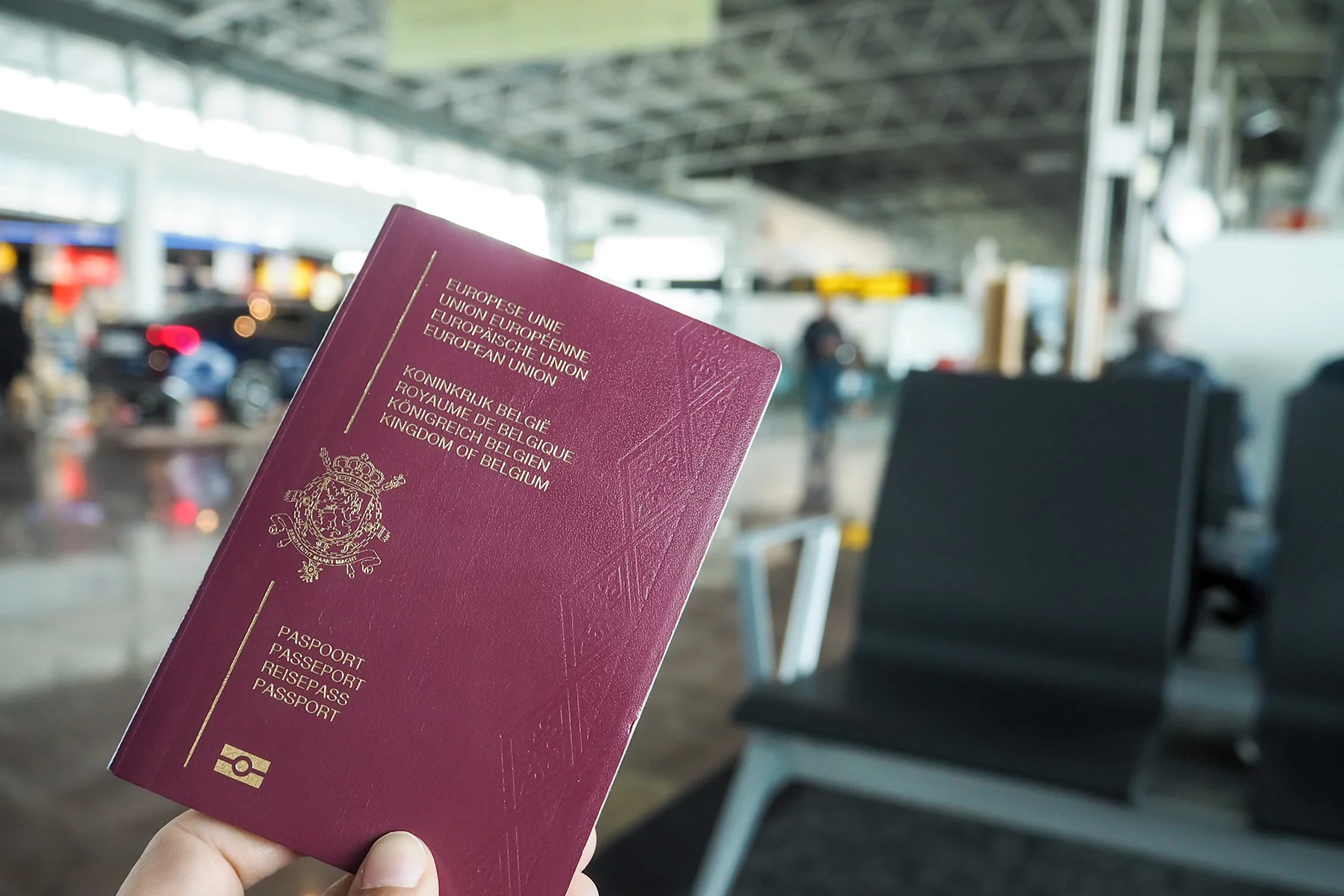
Adult passports are valid for seven years, and children’s passports for five years. Currently, the application costs €65 for adults and €35 for children, although additional costs might be involved.
You can also choose for a more expensive fast-track procedure, wherein you can get your passport within just one day.
Dual nationality in Belgium
Belgian nationals are allowed to have dual (or even multiple) citizenship. That means you’ll not be required to give up your original nationality. However, this also depends on your country of origin.
Some countries, like the Netherlands, do not recognize dual nationalities. You can check with the embassy or consulate of your country of origin to learn more about the rules and procedures regarding dual citizenship.
Losing your Belgian citizenship
Dual nationality has been possible since 2008. If you’ve voluntarily obtained another nationality before this date, you would have lost your Belgian nationality. In particularly:
- If you’ve voluntarily taken on another citizenship before 9 June 2007
- If, between 9 June 2007 and 28 April 2008, you’ve voluntarily become a citizen of Austria, Denmark, Spain, France, Ireland, Italy, Luxembourg, Norway, the Netherlands, or the United Kingdom.

You can also lose your nationality when:
- You were born abroad after 1 January 1967, plus:
- You have one or more other nationalities
- Your primary country of residence between the ages of 18 and 28 was not Belgium
- You did not work abroad for the Belgian government or a company or association
- You did not make a declaration to keep your nationality (Dutch: behoudsverklaring, French: déclaration de conservation) when you were between 18 and 28
- You did not voluntarily apply for Belgian citizenship after you turned 18
- You are younger than 18, and one of your parents loses their Belgian nationality (see above). This can only be circumvented if your other parent is a Belgian national or if losing Belgian citizenship would render you stateless.
- You were adopted by a foreign national and acquired a different nationality before you turned 18
- You were born elsewhere and seriously failed in your obligations as a Belgian citizen
- You were born abroad and received Belgian citizenship through fraud or corruption or gave falsified declarations or documents
Renouncing your citizenship
When you have dual nationality and voluntarily want to give up your Belgian citizenship, you can do so after you turn 18. You’ll need to sign a declaration of renunciation at your local municipality in Belgium or the Belgian embassy or consulate when you live abroad.
How to recover your Belgian citizenship
People who have lost their Belgian nationality can regain it with a declaration of recovery. If you live abroad, you can file this declaration at your local municipality in Belgium or at the Belgian embassy or consulate

To qualify for recovery of citizenship, you must be older than 18 and have lived in Belgium for at least one year before the declaration. If a judicial authority has withdrawn your Belgian nationality, you cannot regain it using this declaration. Instead, you’ll have to wait at least five years and take the route of citizenship by residence.
For more information about recovering your Belgian citizenship, you can check your municipality’s website in Wallonia, Flanders, or Brussels.
Citizenship appeals and complaints
If the public prosecutor rejects your application for citizenship by residence, you can file an appeal with the family court (Dutch: familierechtbank, French: tribunal de la famille). This needs to be submitted within 15 days of the decision.
It’s best to consult a specialist lawyer, as it is sometimes easier to make a new nationality claim instead of an appeal.
If your application for citizenship through naturalization was rejected, you have one month to file an appeal with the Naturalizations Committee of the House of Representatives. This needs to be done by letter (does not need to be a registered letter).
If your appeal is rejected again, you are allowed to submit a new application. Keep in mind that the other paths to citizenship might be shorter and easier than the naturalization route.
Useful resources
- Belgian Federal Public service – official government website providing information on acquiring Belgian citizenship
- Fedasil info – website of the Federal Agency for the Reception of Asylum Seekers in Belgium
- Immigration Office (DOFI) – official website of the Belgian government agency for visa and immigration matters
- Wise – Multi-currency account for managing money across borders during your citizenship process. Hold euros and 40+ other currencies, make international transfers at the mid-market exchange rate with transparent fees, and use local bank details for receiving funds.


Did you find this guide helpful?