
'%20id='ico-down'%20stroke='%23000000'%20stroke-width='1.5'%3e%3cg%20transform='translate(1092.250000,%20254.750000)'%3e%3cpolyline%20id='Path-2-Copy-4'%20transform='translate(5.500000,%202.750000)%20scale(1,%20-1)%20rotate(-180.000000)%20translate(-5.500000,%20-2.750000)%20'%20points='0%200%205.5%205.5%2011%200'%3e%3c/polyline%3e%3c/g%3e%3c/g%3e%3c/g%3e%3c/svg%3e)


Living
Family & Pets
Pets in Belgium
From passports and registration to insurance and health services, find out everything you need to know about keeping a pet in Belgium.

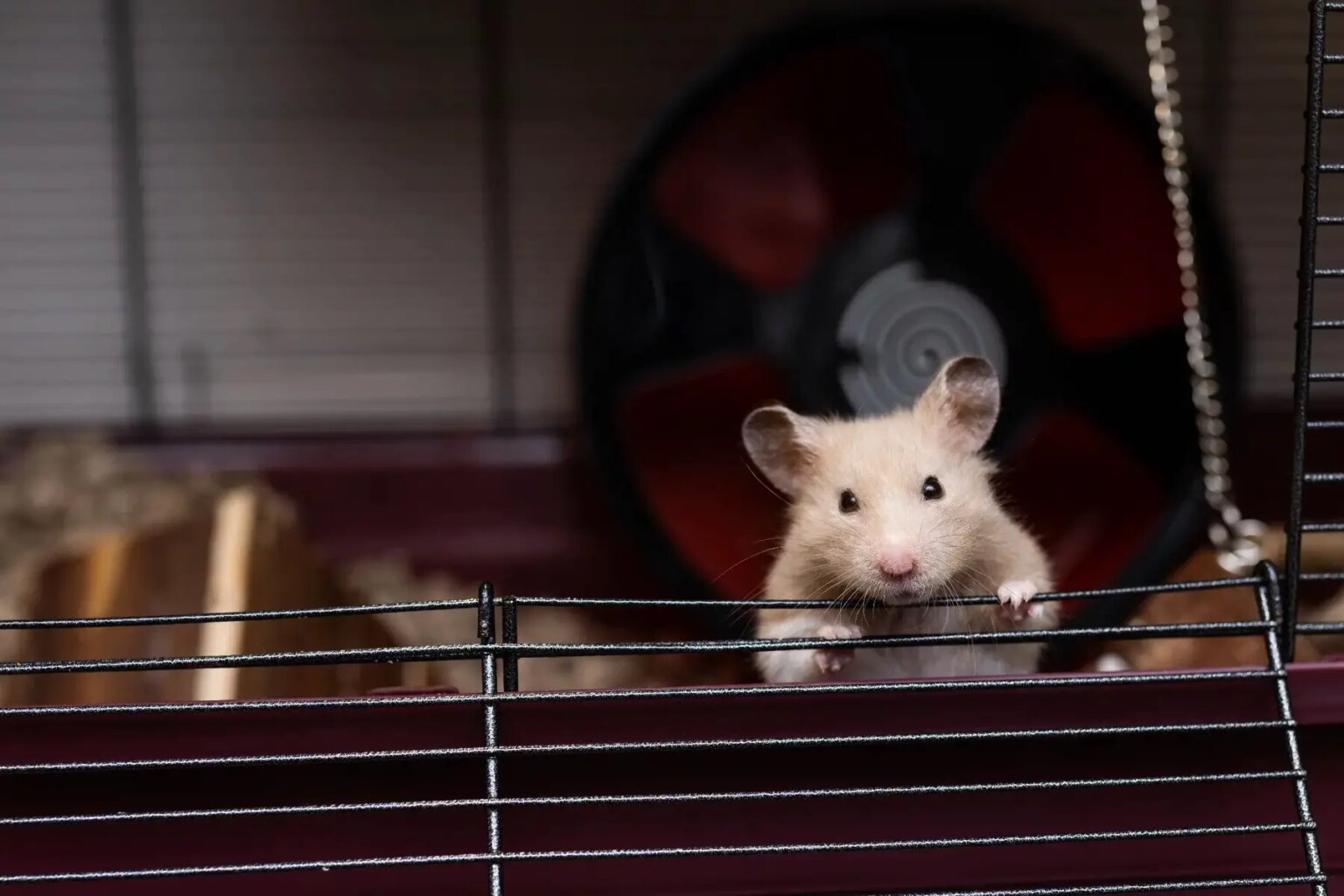
Whether you’re considering bringing along a furry family member when moving to Belgium or adopting one while living in the country, it’s essential to know the laws and procedures surrounding pets. To protect animal welfare, Belgium follows European Union (EU) legislation and has its own national policies.
You can read more about pet culture in Belgium and the rules for importing, registering, and keeping pets in the following sections:
Sirelo
It's no secret that moving abroad can be stressful. Sirelo's team of removal advisers is here to help. They provide five free quotes from international shipping companies so you can find the best options at the best prices. Take the stress out of your relocation to Belgium with Sirelo.

Pets in Belgium
Whether it flies, craws, walks, slithers, or swims, Belgians love pets. More than half of all families own one or more domestic animals (48% in Flanders and 58% in Wallonia), with the average pet-owning household owning as many as three pets. During the COVID-pandemic, animal ownership rose even further: over 11% of families adopted a new pet in 2022.
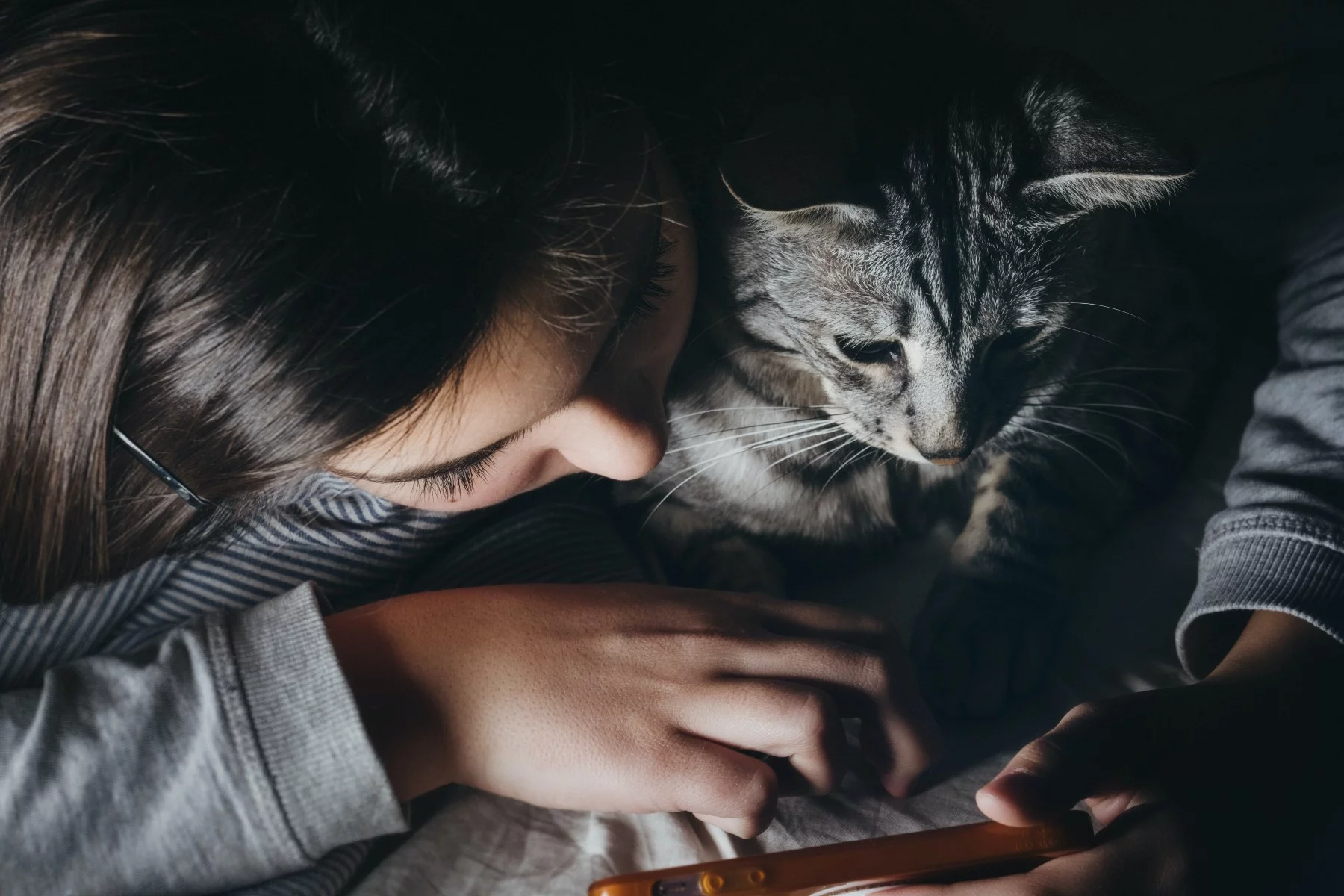
Cats and dogs are by far the most common household pets. According to the Belgian Pet Food Association (De Belgische PetFood Associatie – BEPEFA), 31% of families own a cat, while 24% own a dog. Other popular animals include small mammals (e.g., rabbits) and fish.
If you’re more into birds, reptiles, or other domestic animals (e.g., donkeys and llamas), you’re in luck. The country permits you to have several types of pets without a license. However, not all species are allowed in Belgium. So, to be sure, check the government-mandated safe list before acquiring a pet.
Belgian pet laws
Belgium follows EU legislation complemented by its own laws to ensure animal welfare. Therefore, the Belgian regional governments each has their own animal welfare department. You can find additional information on regulations for pets on their websites:
- Animal welfare Brussels (Dutch: Dierenwelzijn, French: Bien-être animal)
- Animal welfare Flanders (Dierenwelzijn Vlaanderen)
- Animal welfare Wallonia (Unité du Bien-être animal – UBEA)
A few of the most important rules include:
- The mistreatment or abandonment of pets can result in a fine and prosecution
- Owners must ensure their pets are not a nuisance or danger to people. For example, dog breeds classified as dangerous must be kept on a leash in public and wear a muzzle if necessary.
- All pets must have a permanent marker that identify their owner. As such, birds must have a closed ring around their legs, and reptiles, cats, and dogs require microchipping. The last two must also be registered with the central database CatID or DogID.
- Cats are required to be neutered or spayed. However, it is not compulsory for dogs.
- Vaccinations are optional unless you take your cat, dog, or ferret across the border. In that case, the rabies (hondsdolheid) vaccine is mandatory.
Getting a pet
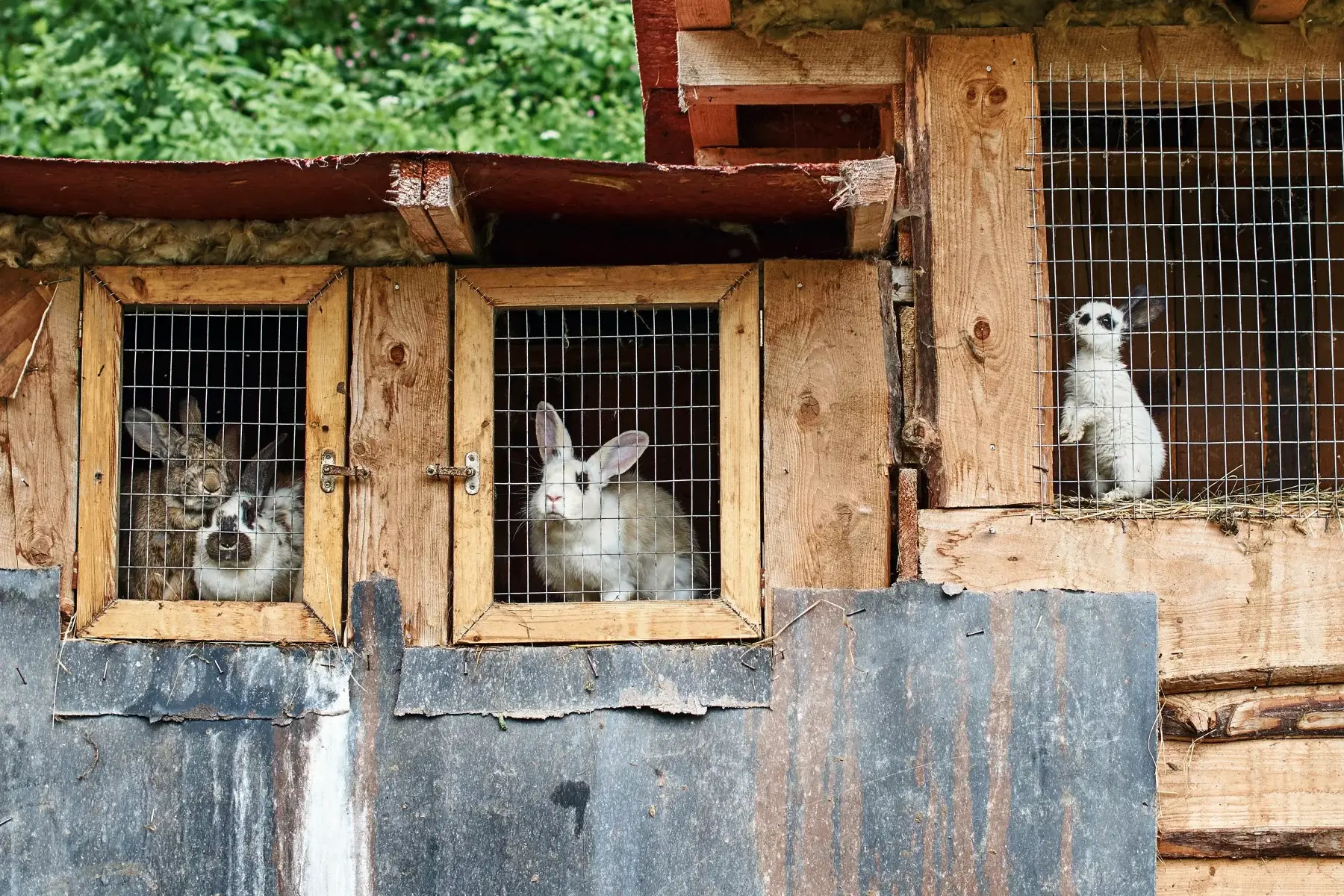
There are a few different ways to become a pet owner in Belgium. You can adopt or foster an animal through an animal shelter or buy one from a pet store or breeder.
When you’re adopting or buying a pet in Wallonia (Wallonie), you need to provide an extract from the animal welfare department of your municipality. This proves that you do not have any previous convictions for the mistreatment of animals.
Pet rescue services
Every year, more than 50,000 pets get abandoned at an animal rescue shelter, including cats, dogs, birds, horses, rabbits, reptiles, rodents, and even sheep.
A great way to welcome a new pet to your family is by adopting it from one of these rescue centers. Not only does it save an animal from misery, but you’ll also help out the shelters, which often operate at full capacity with limited resources. Adoption is cheaper, and the animals are likely already microchipped, sterilized, and vaccinated.
There are several well-known animal rescue centers in Belgium, such as:
- Adopteer een dier
- The Blue Cross (La croix bleue)
- HelpAnimals
- Mopets
- PetConnect
- Pet Rescue
- Pets.be
You can also find a list of shelters and rescue services on the government websites of Flanders (Vlaanderen) and Wallonia.
Fostering a pet
You can approach an animal rescue center or shelter to foster a pet. You’ll need to provide your background information and attend an intake interview to assess your suitability.
The foster period depends on how long the shelter takes to find a suitable forever home.
Buying a pet
You can purchase pets such as birds, reptiles, rabbits, small rodents, and fish at licensed pet stores. However, you can buy cats and dogs only from a licensed professional breeder.

It’s relatively easy to find a pet store in Belgium. A simple Google search can help you find one for your basic supplies. The government websites of Flanders and Wallonia list licensed stores and breeders.
Other places to search for a breeder include:
When you buy from a breeder, you need to get a receipt proving ownership transfer. This mentions the date of sale, the name of the seller, and the animal breed. You will also receive a certificate of guarantee that proves the animal does not have any contagious diseases.
Bringing or importing pets to Belgium
Around 42 different types of pets are allowed in Belgium. You can find out which on the regional government websites:
To keep animals that are not on this list – or that are deemed exotic or endangered – you can contact your municipality in Brussels (Dutch: Brussel, French: Bruxelles), Flanders, or Wallonia for more information.
Immigration rules and restrictions
Belgium follows EU legislation for traveling with cats, dogs, and ferrets. For other animals, the rules of your destination country apply. This is also the standard for traveling to and from non-EU countries.

You cannot travel for non-commercial purposes with more than five animals at a time. Cats, dogs, and ferrets must be microchipped using the ISO standard 11784/11785. Pet identification tattoos from before 3 July 2011 are also accepted, provided they are legible.
Cats, dogs, and ferrets must be vaccinated against rabies and other diseases before leaving or entering Belgium. Pets from non-EU countries are required to undergo a rabies titer test to check for antibodies, with the results recorded in the pet passport or a valid animal health certificate.

Following Brexit, pet passports from the United Kingdom (UK) are no longer valid in the EU. Therefore, your pet must be vaccinated against rabies, treated for tapeworms, and get an animal health certificate no later than 10 days before traveling to the EU. However, pets from the UK do not require a rabies titer test.
Pets from the United States (US) or Canada must have a health certificate from a veterinarian accredited by the United States Department of Agriculture (USDA) or the Canadian Food Inspection Agency (CFIA). If you are traveling from another country, you can request the relevant information from the government authority in Belgium.
Transporting pets across borders
The International Air Transport Association (IATA) manages the regulations of pet carriers to ensure utmost care during animal transportation. For instance, if your animal is caged while traveling in the cabin, they need to have enough room to stand up, lie down, or turn around. If your pet is traveling in the cargo hold, you must ensure that there are suitable light and temperature conditions.
Many airlines (e.g., KLM) allow small pets in the cabin on flights shorter than 10 hours. Generally, the airline will only allow one pet per passenger and a maximum of two pets per cabin. The pet carrier must fit under the seat in front of you and must have a waterproof bottom and adequate ventilation.
Some airlines and countries might also have additional rules for the transportation of live animals. It’s always good to check the requirements directly with your airline and port of arrival.
You can approach an established pet relocation company and avoid some of the stress. Belgian-based and international pet relocation companies include:
Pets arriving in the country
Pets from non-EU countries will have to go through customs. If they don’t meet the EU travel requirements, they might have to quarantine or be sent back (only in extreme cases).
Registering your pet in Belgium
Of course, all cats and dogs in Belgium must be microchipped and registered with the central databases CatID and DogID. Each chip has a unique 15-digit identification number that, if scanned, can be used to access medical details and your contact information.
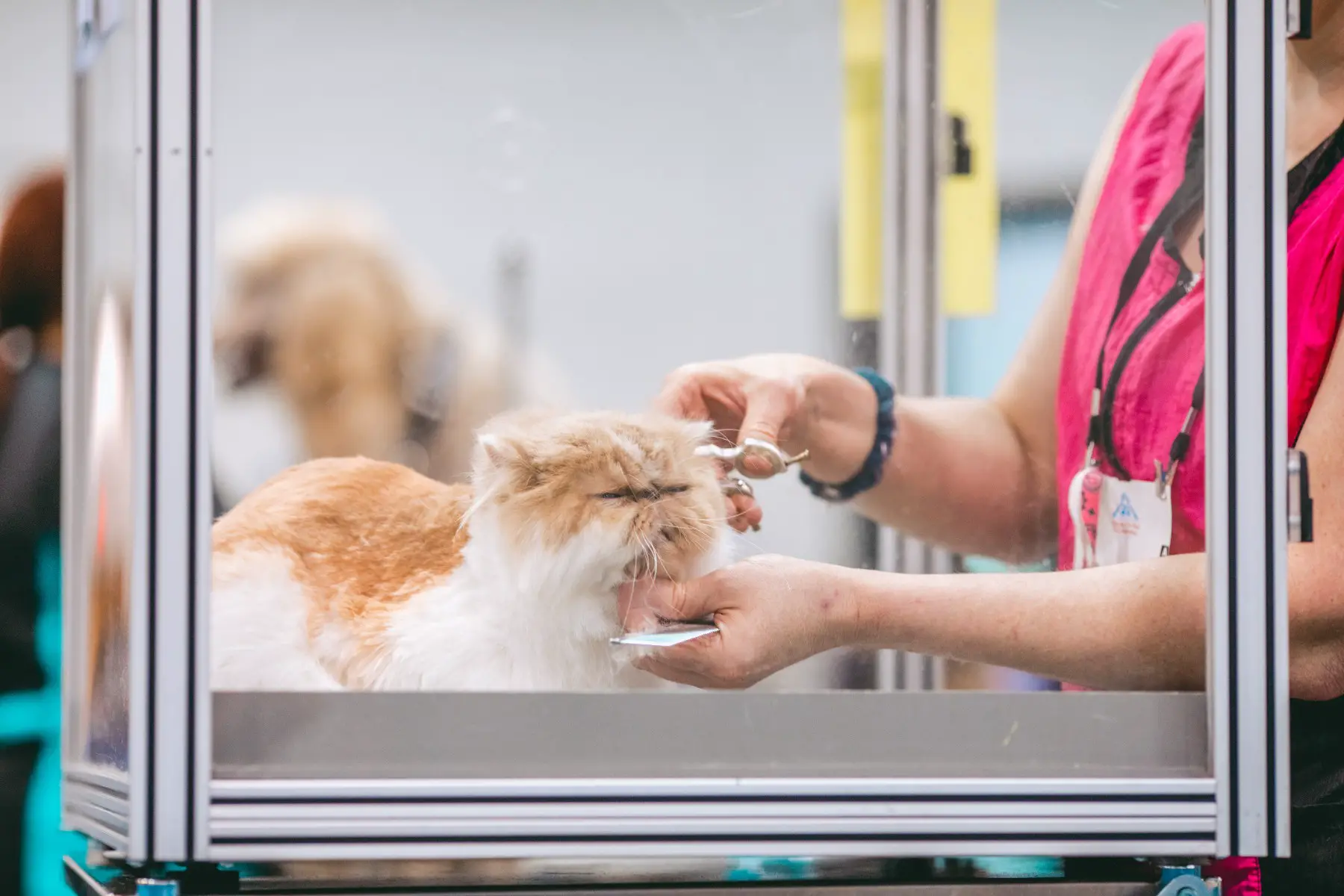
A veterinarian can microchip your pet and register your and your pet’s information with the central database. Microchipping costs around €50, and registration between €15 and €25, depending on the clinic’s hourly rate. After the procedure, you’ll get a registration certification (which will also be uploaded to the database).
Cats need to be registered before the age of 12 weeks and dogs before 8 weeks. If you’re importing your cat or dog from another country, you’ll need to register them within eight days of their arrival.
Farm animals such as horses, pigs, sheep, goats, llamas, deer, and poultry must be registered with the Sanitel database.
Pet passports
Legally, dogs must have an EU pet passport, even if your relocation is temporary. In fact, dogs automatically get a passport when they are microchipped and registered. Cats or other animals only need a passport if you are planning to travel with them.
A vet can issue EU pet passports, which costs about €10. They are valid throughout the member states and contain the followiong information:
- A description of your pet
- Microchip details
- Vaccination records
- Your contact details.
It is valid for the entire lifespan of your pet, provided their vaccinations are up to date.
Belgian pet insurance
It’s not compulsory to get pet insurance. That said, it’s a good way to counter unexpected vet bills in case of an injury or illness. Pet insurance providers in Belgium include:
- Assuropoil (cats and dogs only)
- Corona Direct (dogs only)
- Petplan
- Santévet
The level of coverage differs per insurance provider. In general, policies cover:
- Vet consultation costs
- Health checks
- Lab analyses
- Medical bills
The premium depends on your policy, as well as the age, breed, and health of your animal. Policies start at €12/month but can go up to as much as €50/month.
Not covered by pet insurance inclucde:
- Registration
- Microchipping
- Special dietary supplements or therapies
- Sterilization or castration (for reasons other than health-related issues)

In addition to health insurance, it is helpful to get third-party liability insurance that protects you against accidents or damage caused by your pet. This is offered by most banks and insurance companies in Belgium, often as part of a standard family policy.
Pet healthcare in Belgium
Veterinary services
As everywhere else, veterinarians in Belgium (Dutch: dierenarts, French: vétérinaire) take care of anything pet-related. In addition to health checks and dietary consultations, they provide pet registration, vaccination, spaying and neutering, and pet passports.
You can find a qualified vet on the following regional databases:
- Verenigde Dierenartsen (in Flanders)
- Union Professionelle Vétérinaire (in Wallonia)
Most Belgian vets understand and speak a reasonable level of English. However, it’s always good to check this before making an appointment.
Not all vets treat less common animals, such as birds, reptiles, and exotic species. For those pets, it’s better to look for specialized veterinary services (e.g., the VTnac in Brussels).
When your pet requires emergency care outside of regular working hours, you can approach the following services:
- S.O.S. Vétérinaire (in Brussels)
- Vet&Go
- Vet Emergency
- VeterinBy
Vaccinations
You only need to vaccinate your cat, dog, and ferret against rabies if you travel with them across the border. Pets can only receive vaccinations after the age of 12 weeks. You can schedule an appointment with the vet.
While other vaccinations are optional, vets usually recommend the following annual shots:
| Animal | Optional vaccine |
| Cat | Feline distemper Parvovirus Feline herpes Feline calicivirus Leucose Chlamydia |
| Dog | Canine distemper Kennel cough Hepatitis Parvovirus Leptospirosis |
Neutering and spaying
In Belgium, it’s compulsory to sterilize or castrate your cats. Other animals are not required to get neutered or spayed, but you can still approach a vet to get the procedure done.
The costs of these services can vary per procedure, breed, and veterinary practice. You can generally expect to pay between €50 and €150 for cats and a bit more for dogs. If you have pet insurance, they will likely not cover the costs unless the procedure is required for health reasons.
Pet sitting services
Pet sitters are an invaluable service to care for your animals while you’re away.

There are plenty of online platforms where you can find a sitter, including:
If you have a bigger budget, you can also try a boarding facility or a pet hotel. These can also offer additional services such as pet grooming.
Lost pets in Belgium
The first action after losing a pet is to inform the central database (DogID or CatID). These platforms will post a missing pet alert on their media.
You can also place a notice or search for your lost pet on other platforms and sites, such as:
If you’ve found a pet, you can report it to the police by calling 101. The police will take the lost animal to a shelter, where they can track the owner’s details using the microchip.
Additionally, you can send the details and a photo of the animal to the platforms mentioned above.
Costs of keeping a pet
Some pets are more expensive to keep than others. For example, horse stables have a hefty price tag compared to dog beds. Since it’s more common to have a cat or a dog, this article focuses on the upkeep of these companion animals.
According to research by fintech Finty, owning a pet in Belgium is less expensive than in Japan or the United States but more expensive than in China and India. The cost of keeping a cat and a dog differs somewhat, but, generally Belgian households will have the following expenses:
Certain one-time costs include:
- Microchipping (€50) and registration (€15–25)
- Rabies vaccination (around €20)
- Mandatory neutering or spaying of cats (between €50 and €150, depending on the procedure)
- Optional sterilization or castration of dogs (€100–300)
- Pet supplies, such as bowls, leashes, and toys (between €50 and €150)
- EU pet passport (about €10)
You’ll also have recurring monthly and yearly costs, including:
- Vet consultation costs (€30–50 per visit)
- Annual vaccinations (around €50)
- Flea and de-worming treatments (around €20/visit, four visits per year)
- Pet food (minimum €200–500 per year, depending on the type of food they need)
Incentives and subsidies
Belgium has several subsidies to promote animal welfare. For example, the Prince Laurent Foundation offers free veterinary care to specific households with limited financial resources.
There are also pet incentives on a citywide level. For instance, Brussels offers a one-time bonus to get your cat or dog sterilized or castrated. Antwerp provides a subsidy for chipping and neutering or spaying cats. And Ghent has an animal food bank for pet owners who live on a budget.
Selling a pet in Belgium
If you want to sell or rehome your pet, you must abide by the regulations. For example, pet ads on social media, bulletin boards in shops, or other ad-based platforms (both online and offline) are not allowed.
Other rules and regulations include:
- Kittens and puppies cannot be separated from their parents when they are very young (i.e., kittens only after 12 weeks, puppies after 8 weeks)
- This pet must be microchipped and registered in the central database
- You can only advertise online and in print media specializing in pet sales
You can also sell or give away your pet through a recognized animal shelter or licensed breeder. They have broader networks and can ensure your pet finds a good home.
Animal neglect and abuse
If you witness or suspect animal abuse, you must report it to the police immediately by calling 101 or 112. You do not need to know the owner or approach them first, as the animal’s welfare is the priority.
You can also contact local police when a situation requires urgent attention, for example:
- You suspect neglect
- They may have been poisoned
- The animal is dangerous or causes a public nuisance
If you see animal mistreatment, neglect, or abuse, and you know the owner, you can also reach out to:
Animal Welfare Flanders also takes reports of animal abuse by breeders, fairs, farmers, rescue shelters, and zoos. You can also contact them if you purchased a sick or neglected animal from a licensed breeder or notice pet ads on social media or classifieds websites (e.g., marktplaats België).
You can report stray cats to your local municipality in Brussels, Flanders, or Wallonia.
If you come across wild animals in distress (or being illegally kept as pets), contact:
- The Flanders’ Agency for Nature and Forest (Agentschap voor Natuur en Bos)
- The Walloon Department of Nature and Forests (Département de la Nature et des Forêts – DNF)
Fines and imprisonment
Penalties for animal abuse differ on a regional level.
In Flanders, the animal welfare laws stipulate penalties and sentence of:
- First-time offenders: Up to €16,000 in fines and up to three months in jail
- Repeat offenders: Up to €100,000 in fines and up to 18 months imprisonment
- Businesses: Can be closed for three years
- Individuals: Can be banned from keeping an animal for three years or indefinitely
However, there are plans to increase these penalties and prison sentences.
In Wallonia, animal abusers will either get an administrative fine or be prosecuted. Penalties and sentences are categorised according the the severity of the abuse, for example:
- Category 1: Between €800,000 and €10,000,000 in fines and imprisonment of 10 to 15 years
- Category 2: Between €50 and €1,000,000 in fines and imprisonment of eight days up to three years
- Category 3: Between €50 and €100,000 in fines and imprisonment of eight days to six months
Repeat offenders can get their fines and sentences doubled in Wallonia.
Useful resources
- leefmilieu.brussels – governmental website with information on keeping pets in Brussels
- Huisdierinfo – governmental website with information on keeping pets in Flanders
- Bien-être animal – animal welfare website with information on keeping pets in Wallonia
- FPS Belgium (traveling with pets) – webpage of the Belgian Federal Public Service with information on traveling with pets
- Verenigde Dierenartsen – search platform for veterinarians in Flanders
- Union Professionelle Vétérinaire – search platform for veterinarians in Wallonia
- CatID – central database of registered pet cats in Belgium
- DogID – central database of registered pet dogs in Belgium



Did you find this guide helpful?